Choosing the right landscaping trends for Atlanta properties in 2026 requires more than following what looks good online. Your landscape must thrive in Georgia’s humid subtropical climate while delivering measurable value through curb appeal, sustainability, and long-term performance. This guide presents a proven criteria framework for evaluating trending options, explores specimen trees and sustainable innovations gaining traction across metro Atlanta neighborhoods, examines the complex socio-economic impacts of green infrastructure, and provides actionable insights to help you make informed decisions that balance aesthetics with environmental responsibility and community awareness.
| Point | Details |
|---|---|
| Evaluation criteria matter | Climate compatibility, sustainability metrics, and economic impact guide smart landscaping selections in Atlanta’s unique environment. |
| Specimen trees add value | Japanese Maples and Crape Myrtles create stunning focal points that boost property worth and neighborhood appeal. |
| Sustainable design saves money | Stormwater capture systems and native habitats reduce utility costs while supporting local ecosystems. |
| Green infrastructure has social costs | Property value increases from parks can trigger displacement, requiring thoughtful community planning. |
| Premium materials ensure success | Quality topsoil, mulch, and gravel support professional results that withstand Georgia’s climate challenges. |
Smart landscaping decisions start with clear evaluation criteria tailored to Atlanta’s specific conditions. Your microclimate determines which plants will flourish versus struggle, so assess sun exposure, soil drainage, and heat island effects before committing to any trend. A shaded Buckhead lot requires different species than a sunny Marietta yard, even though they’re only miles apart.
Sustainability metrics should drive your material and design choices. Water management becomes critical as Atlanta faces periodic drought conditions and stormwater runoff challenges. Native plant selections support local pollinators and reduce maintenance demands compared to exotic species requiring constant intervention. Calculate irrigation needs, fertilizer requirements, and long-term care costs to understand true sustainability.
Economic considerations extend beyond initial installation budgets. Property value enhancement varies significantly based on neighborhood trends and buyer preferences. Research comparable home sales in your area to identify which landscape projects in Georgia deliver the strongest return on investment. Factor in maintenance expenses over five to ten years, not just the upfront price tag.
Pro Tip: Create a simple scoring matrix rating each trend option on climate fit, sustainability impact, economic value, and maintenance requirements. This objective framework prevents impulse decisions based solely on visual appeal.
Balancing aesthetics with environmental responsibility requires honest assessment of your priorities. A stunning design that demands excessive water or chemical inputs may conflict with sustainability goals. Similarly, the most eco-friendly approach might not deliver the curb appeal you need for a planned home sale. Define your primary objective clearly, then optimize secondary factors around that core goal.
Specimen trees serve as living sculptures that anchor your landscape design while delivering measurable property value increases. These carefully selected focal points draw the eye, provide seasonal interest, and create memorable outdoor spaces that distinguish your property from neighboring homes. Strategic placement near entryways, visible from street views, or framing outdoor living areas maximizes their visual impact.
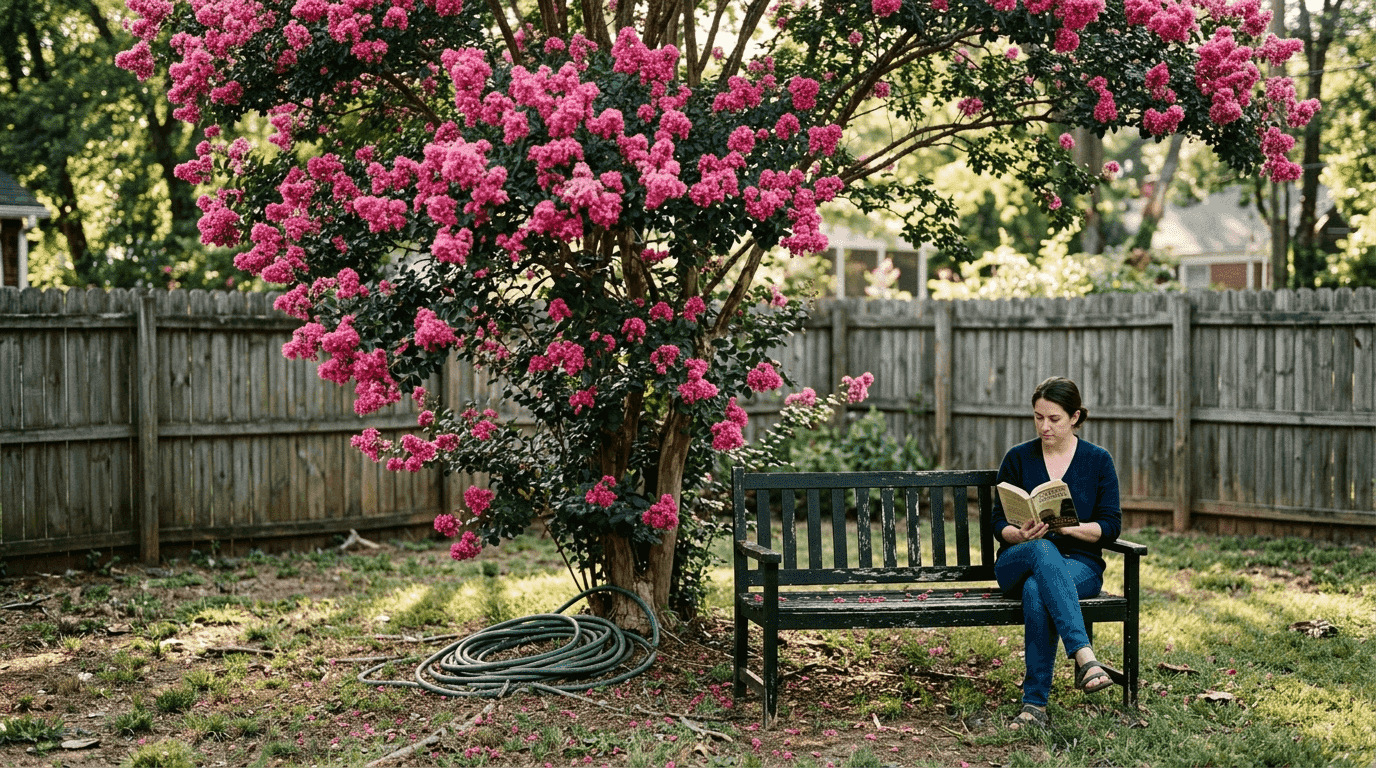
Homeowners in Milton and Johns Creek favor Japanese Maples while Roswell and Alpharetta residents choose Crape Myrtles as specimen trees. Japanese Maples offer delicate foliage in burgundy, green, or variegated patterns that create serene, sophisticated atmospheres perfect for transitional and contemporary home styles. Their compact growth habit suits smaller yards while still commanding attention.
Crape Myrtles deliver explosive summer blooms in pink, purple, red, or white that last for months, providing color when many other plants fade in Georgia’s heat. Their exfoliating bark adds winter interest, and mature specimens develop sculptural branching patterns that enhance year-round appeal. Both species adapt well to Atlanta’s climate when planted in appropriate microclimates.
Professional pruning and health assessments protect your specimen tree investment over decades. Improper cutting techniques can permanently damage tree structure and reduce lifespan. Annual inspections catch pest problems, disease symptoms, and structural weaknesses before they become expensive emergencies. Budget for expert care as part of your total ownership cost.
Pro Tip: Match your specimen tree selection to your home’s architectural style and your yard’s sun exposure patterns. A Japanese Maple thrives in partial shade and complements craftsman or modern designs, while Crape Myrtles demand full sun and pair beautifully with traditional Southern architecture.
Microclimate compatibility ensures your chosen species thrives rather than merely survives. Test soil pH, observe drainage patterns during heavy rain, and note summer heat intensity in the planting location. Explore Georgia fall landscaping tips for optimal planting timing that gives roots time to establish before summer stress.
Stormwater capture systems represent one of 2026’s most impactful sustainable landscaping trends, transforming problematic runoff into a valuable resource. Rain gardens, bioswales, and permeable paving intercept water before it overwhelms municipal systems or carries pollutants into local waterways. These features reduce your water bills by capturing irrigation supply while preventing erosion and foundation damage from poor drainage.
The Kendeda Building captures 1.11 million gallons of stormwater annually, saving $1,738 in water costs and increasing native habitat by 450%. This Atlanta demonstration project proves sustainable design delivers measurable economic and environmental returns at scale. Homeowners can apply similar principles through smaller installations tailored to residential lot sizes.
Native habitat restoration supports biodiversity while dramatically reducing maintenance demands. Georgia native plants evolved to thrive in local soil and climate conditions without fertilizers, pesticides, or supplemental irrigation once established. Species like Black-eyed Susans, Purple Coneflowers, and native grasses provide food and shelter for pollinators, songbirds, and beneficial insects that natural ecosystems require.
| Sustainable Feature | Environmental Benefit | Economic Impact |
|---|---|---|
| Rain garden | Filters 30% more pollutants than lawn | Reduces water bill 15-25% annually |
| Native plant beds | Supports 4x more pollinator species | Cuts maintenance costs 40% |
| Permeable paving | Recharges groundwater supply | Prevents $2,000-5,000 drainage repairs |
| Bioswale | Manages 80% of typical rainfall on-site | Increases property value 5-8% |
Implementation requires thoughtful design that integrates sustainable features naturally into your overall landscape aesthetic. Position rain gardens in low spots where water naturally collects, using attractive native plantings that look intentional rather than accidental. Design permeable patios and walkways with colors and patterns that complement your home’s style while serving functional stormwater goals.
Long-term performance depends on proper installation and occasional maintenance. Mulch layers need refreshing, plants require pruning, and sediment accumulation must be removed periodically. Partner with professionals experienced in Atlanta landscape projects fall installation to ensure systems function as designed for decades.
Green infrastructure projects deliver undeniable environmental benefits but trigger complex socio-economic consequences that responsible landscapers and homeowners should understand. Adding parks, trails, and landscaped public spaces increases nearby property values significantly, which sounds positive until you examine who benefits and who bears the costs. Rental rates along the Eastside Trail surged 43%, and neighborhoods near greenway parks were 2.454 times more likely to gentrify.
Property value appreciation from nearby green spaces creates wealth for existing homeowners while making neighborhoods unaffordable for renters and lower-income residents. This displacement transfers community benefits to new, wealthier residents rather than improving quality of life for people who lived there before improvements. The pattern repeats across Atlanta neighborhoods experiencing green infrastructure investment.
| Neighborhood Type | Property Value Change | Displacement Risk | Community Benefit Distribution |
|---|---|---|---|
| Near new greenway | +43% rental rates | 2.5x higher gentrification | Primarily new residents |
| Existing green space | +12-18% home values | Moderate turnover | Mixed current and new |
| No nearby parks | Stable or declining | Low displacement | Limited improvement |
Policies protecting current residents become essential to prevent green infrastructure from simply transferring wealth rather than creating broadly shared prosperity. Rent stabilization, affordable housing requirements, and property tax relief for long-term residents help ensure that people who endured years of disinvestment can enjoy the improvements their neighborhoods finally receive.
Landscaping professionals and homeowners should consider these dynamics when planning projects that contribute to neighborhood character. Supporting local green space initiatives while advocating for anti-displacement policies creates sustainable communities where environmental improvements benefit everyone. Your individual landscape projects in Georgia contribute to larger neighborhood trends that shape who can afford to live in your community.
Balancing environmental improvement with social equity requires intentional choices about where and how green infrastructure gets developed. Prioritize underserved neighborhoods that lack basic green amenities rather than adding more parks to already affluent areas. Engage current residents in planning processes to ensure improvements match community needs and preferences.
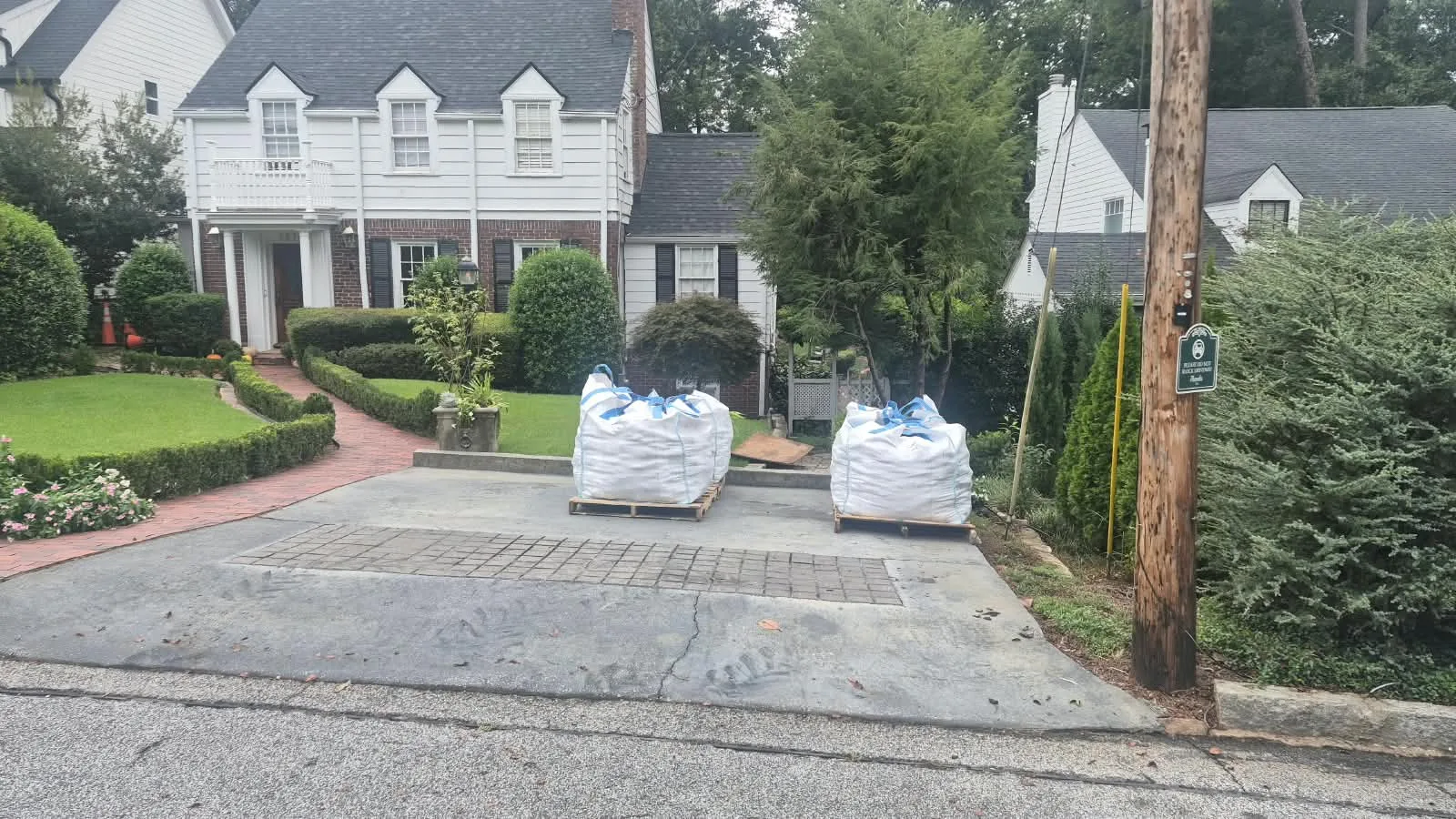
Transforming landscaping trends into reality requires premium materials that withstand Georgia’s demanding climate while delivering the aesthetic impact your design envisions. Quality makes the difference between projects that thrive for decades and installations that disappoint within seasons.

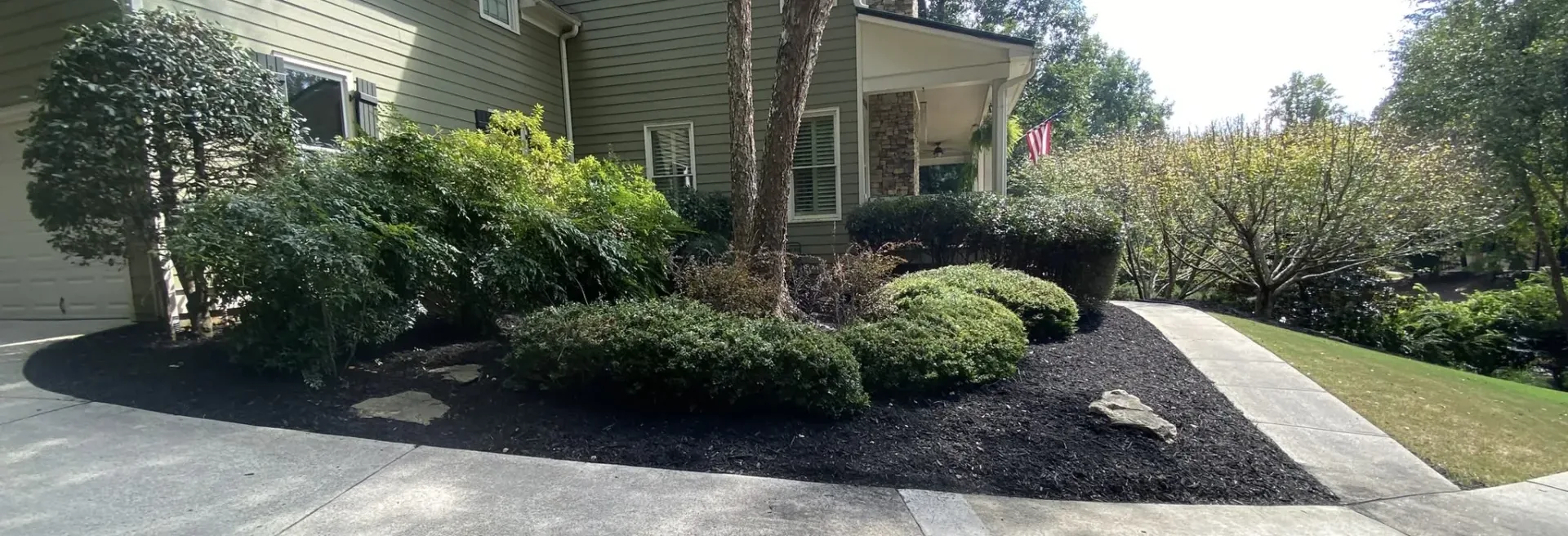
Our red mulch products provide vibrant color that enhances specimen tree plantings and creates defined bed edges that frame your landscape focal points. Premium mulches suppress weeds, retain soil moisture, and regulate temperature to protect plant roots during Atlanta’s temperature swings. We offer natural, dyed, and specialty mulch options to match any design aesthetic from traditional to contemporary.
Organic screened topsoil creates the foundation for healthy plant growth and successful sustainable landscaping features. Our carefully processed topsoil supports rain gardens, native plantings, and specimen tree installations with the nutrient-rich base they need to establish quickly and perform reliably. Proper soil preparation prevents the costly failures that plague projects built on inadequate growing media.
Gravel supplies serve multiple functions in modern landscape design, from permeable paving for stormwater management to decorative accents that add texture and visual interest. Our selection includes drainage gravel, pathway materials, and decorative stone in sizes and colors that integrate seamlessly with Atlanta’s trending landscape styles. Partner with Mountain High Landscape and Hardscape Supply for the materials, expertise, and service that turn landscaping trends into lasting outdoor spaces you’ll enjoy for years.
Japanese Maples and Crape Myrtles are favored species in different Atlanta neighborhoods for their visual appeal and adaptation. Japanese Maples thrive in partial shade and offer delicate foliage perfect for Milton and Johns Creek properties seeking serene atmospheres. Crape Myrtles demand full sun and deliver months of vibrant blooms that Roswell and Alpharetta homeowners prefer for summer color impact.
Stormwater capture systems intercept runoff before it overwhelms municipal infrastructure, reducing your water bills by providing free irrigation supply. The Kendeda Building’s stormwater system saves approximately $1,738 annually and significantly increases native habitats. Rain gardens and bioswales filter pollutants, prevent erosion damage, and recharge groundwater supplies while creating attractive landscape features that boost property values.
Adding green infrastructure to neighborhoods increases property values but can displace existing residents through rising rents and taxes. Greenway parks have increased nearby rental rates by 43%, raising concerns about displacement and wealth transfer. Support policies like rent stabilization and affordable housing requirements that protect current residents so environmental improvements benefit entire communities rather than simply attracting wealthier newcomers.
Define your primary objective clearly, then optimize other factors around that core goal using a scoring matrix. Rate each option on climate compatibility, sustainability metrics, economic value, and maintenance requirements to make objective comparisons. Many trending designs successfully integrate visual impact with environmental responsibility through native plantings, stormwater features, and specimen trees that deliver both curb appeal and ecological benefits.
Professional pruning maintains structural integrity and prevents storm damage while enhancing the tree’s natural form. Annual health inspections catch pest infestations, disease symptoms, and nutrient deficiencies before they threaten your investment. Budget for expert care including proper watering during establishment, mulch replenishment, and occasional soil amendments to support long-term performance in Georgia’s challenging climate conditions.