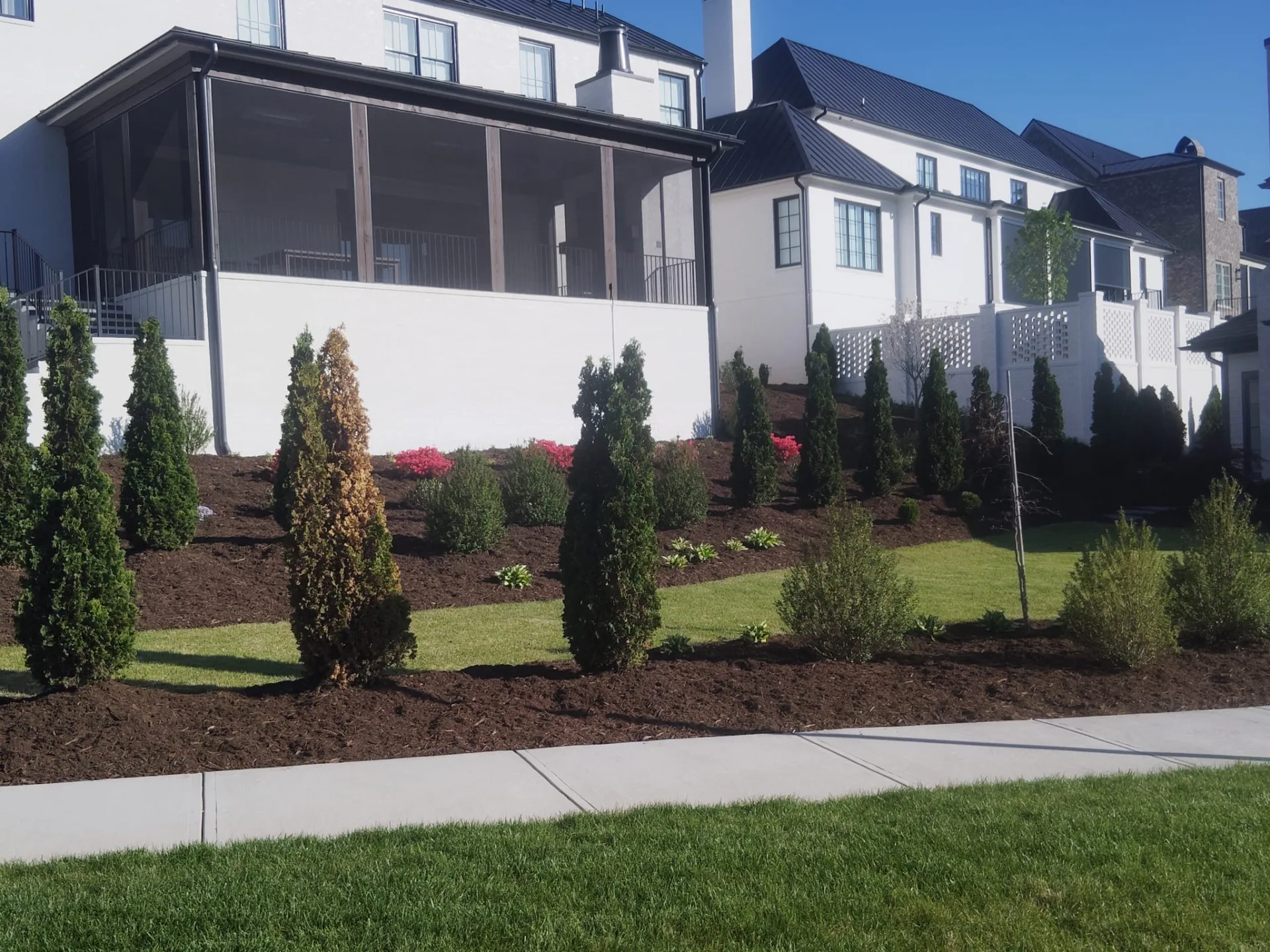
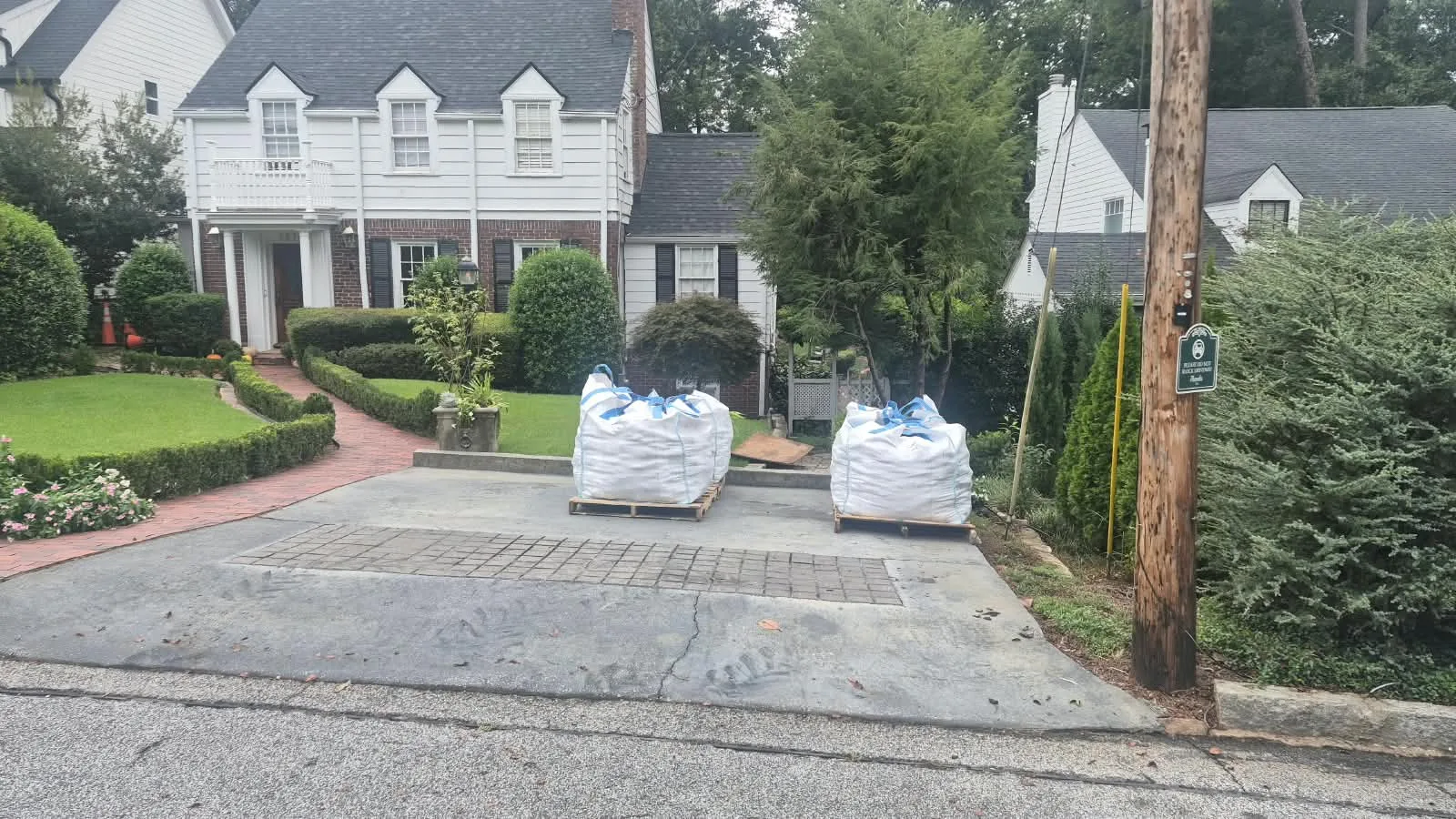
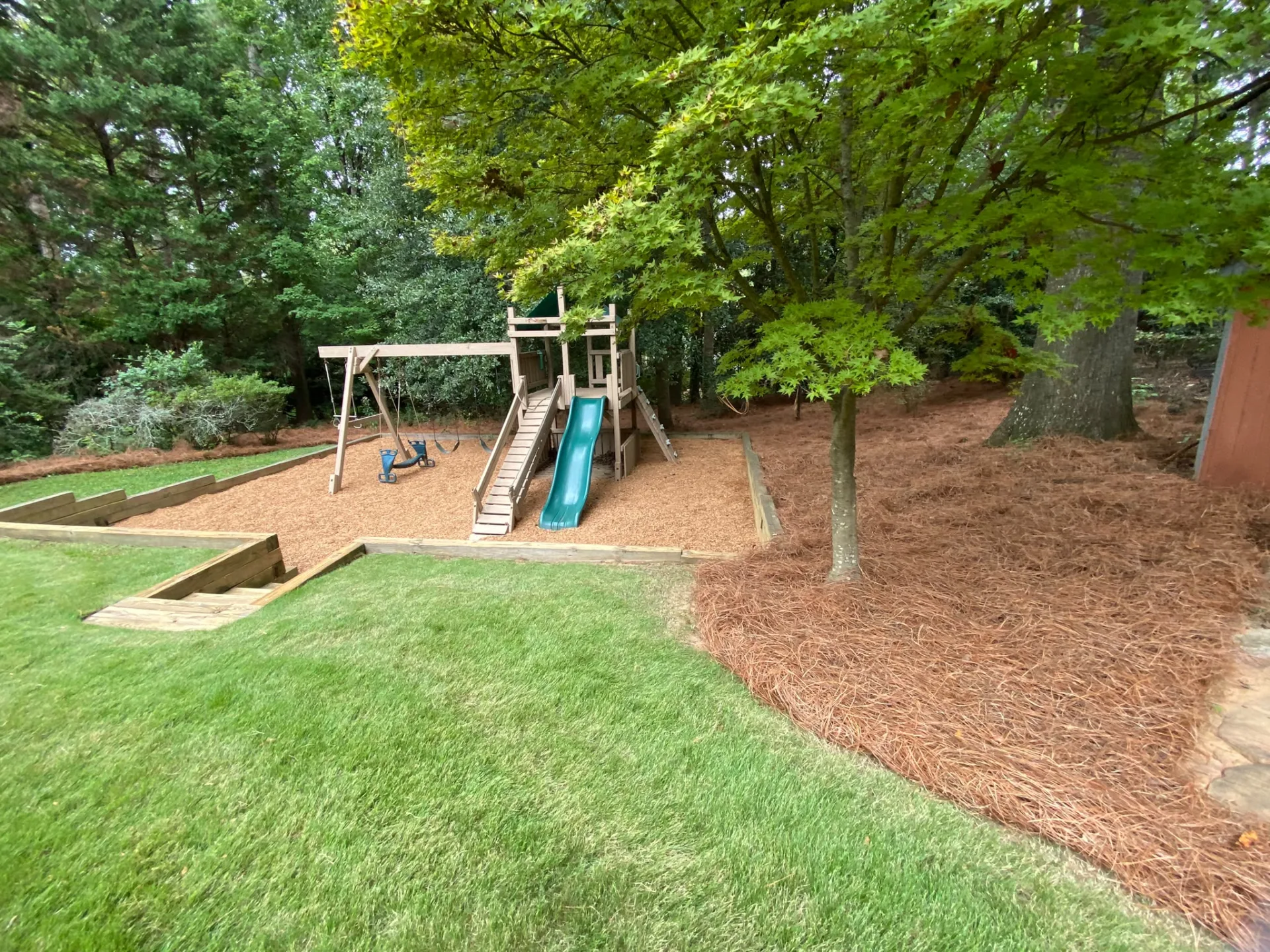
Many homeowners in Atlanta assume that landscape supply yards are strictly for professional contractors managing large commercial jobs. That assumption costs people time, money, and results. The truth is that quality landscape materials, whether mulch, topsoil, gravel, stone, or sod, are just as accessible and essential for residential projects. Atlanta’s unique climate, red clay soil, and seasonal rainfall patterns mean that choosing the right materials matters more here than almost anywhere else. This guide gives you the practical knowledge to plan, select, and install residential landscape supplies with confidence, whether you’re a weekend gardener or a seasoned contractor.
Many people wonder what residential landscape supply really means for a metro area like Atlanta. Simply put, landscape supply refers to the raw materials used to build, improve, and maintain outdoor spaces around homes and properties. These materials form the foundation of every garden bed, pathway, lawn, and drainage solution you see in Atlanta neighborhoods.
Residential landscape supplies include mulch, soil, stone, sand, gravel, and sod, and each one serves a specific function in your yard’s ecosystem. Understanding what each material does helps you make smarter purchasing decisions and avoid costly mistakes.
Here is a breakdown of the most common residential landscape materials:
What makes Atlanta-area projects unique is the underlying soil. Most of metro Atlanta sits on Georgia red clay, which is dense, poorly draining, and challenging for plant roots. This means that simply purchasing materials is not enough. You need materials specifically suited to amend, complement, or work around that clay layer.
“The right landscape supply choice for Atlanta is not just about aesthetics. It is about working with the land’s natural characteristics to create something durable and beautiful.”
Understanding residential render basics can also help homeowners visualize how material choices affect the final appearance of their outdoor spaces before any work begins. Planning with a clear picture of the end result reduces waste and rework significantly.
Once you know what materials are available, the next step is picking those best-suited to our region. Atlanta experiences hot, humid summers, mild winters, and periods of intense rainfall, particularly in spring and fall. These conditions directly influence which materials perform well and which ones fail prematurely.
Certain mulches and soils are better adapted for Atlanta’s heat and rainfall patterns, and selecting the wrong type can lead to erosion, root rot, or rapid decomposition that leaves beds unprotected.
Here is a comparison of common materials and their performance in Atlanta’s climate:
| Material | Best use | Atlanta performance |
|---|---|---|
| Pine bark mulch | Garden beds, tree rings | Excellent; resists compaction and lasts longer in heat |
| Hardwood mulch | Mixed beds, pathways | Good; breaks down faster, adds nutrients |
| Pea gravel | Drainage, decorative | Excellent; does not wash away in heavy rain |
| Coarse sand | Drainage amendment | Good when mixed with clay soil to improve permeability |
| Bermuda sod | Full-sun lawns | Excellent; thrives in Atlanta’s long, hot summers |
| Fescue sod | Shaded lawns | Good; better for fall and winter growth cycles |
The hardscape vs softscape comparison is also worth reviewing when selecting materials, because the ratio of hard surfaces to planted areas affects drainage, heat retention, and overall yard maintenance.
Organic mulches, like pine bark and hardwood, break down over time and feed the soil with nutrients. This is particularly valuable in Atlanta where red clay lacks the organic matter needed for healthy plant growth. Inorganic options like gravel and stone do not decompose, making them low-maintenance choices for high-traffic areas or spots where erosion is a concern.
Pro Tip: In Atlanta’s heavy clay soil, always add a 2 to 3 inch layer of quality topsoil or compost beneath your mulch in new garden beds. This creates a transition zone that helps plant roots establish before they encounter the dense clay below.
Atlanta’s average annual rainfall exceeds 50 inches, which means drainage is never an afterthought. Gravel and coarse sand are your allies in managing water runoff and preventing standing water near foundations and plant beds.
Understanding your options is important, but organizing a successful project takes knowledge and practical steps. Proper planning is key to achieving professional-grade results in residential projects, and skipping even one phase can create problems that are expensive to fix later.
Follow this sequence for a well-executed residential landscape installation:
| Project phase | Recommended depth | Key material |
|---|---|---|
| Base layer | 4 to 6 inches | Gravel or coarse sand |
| Soil amendment | 2 to 4 inches | Topsoil or compost |
| Mulch layer | 2 to 3 inches | Pine bark or hardwood |
| Decorative top | 1 to 2 inches | River rock or pea gravel |
Review the full installation workflow to understand how professional contractors sequence these steps for efficiency and quality results.
Pro Tip: Always install installing mulch at least 2 inches away from plant stems and tree trunks. Mulch piled against stems traps moisture and promotes rot and fungal disease, which is especially problematic in Atlanta’s humid summers.
Avoiding common project mistakes can be the difference between a landscape that thrives and one that disappoints. We see the same errors repeatedly across Atlanta residential projects, and most of them are entirely preventable with a little preparation.
The most frequent mistakes include:
“A landscape that looks good in week one but fails by summer is not a success. The materials, drainage, and soil preparation underneath determine whether your investment lasts.”
According to research on home renovation challenges, nearly half of homeowners feel overwhelmed by renovation projects due to uncertainty about materials and reliable suppliers. Partnering with a knowledgeable local supplier removes that uncertainty entirely.
The hardscape supply guide offers additional detail on avoiding material selection errors specific to Atlanta-area projects, including which stone types hold up best in Georgia’s freeze-thaw cycles.
Pro Tip: When in doubt about drainage, install a French drain before adding any decorative materials. A simple trench filled with gravel and a perforated pipe can redirect water away from problem areas and protect your entire landscape investment.
For a truly remarkable Atlanta landscape, combining both material types strategically creates harmony and value. Hardscape refers to the non-living, structural elements of your yard, including stone pathways, gravel beds, retaining walls, and pavers. Softscape includes all the living and organic components: grass, plants, mulched garden beds, and trees.
A balanced combination of hardscape and softscape elements increases both usability and visual appeal, and Atlanta yards that achieve this balance consistently earn higher property values and require less maintenance over time.
Here is what a well-integrated Atlanta landscape typically includes:
“The most successful Atlanta yards we work with treat hardscape and softscape as partners, not competitors. Each material type supports the other’s function and appearance.”
Reviewing the hardscape-softscape balance guide helps you understand the ideal ratios for different yard sizes and uses. For a typical Atlanta residential lot, a 40 to 60 percent split between hardscape and softscape areas tends to deliver the best combination of low maintenance and visual interest.
The hardscaping materials list for Georgia projects outlines which stone types, gravel grades, and paver materials are most commonly used and most durable in our regional climate. Flagstone, granite, and fieldstone are all locally sourced options that complement Atlanta’s natural landscape beautifully.
After working with homeowners and contractors across Atlanta, Marietta, and Smyrna on dozens of residential landscape projects, certain patterns become very clear. The projects that succeed share one trait: the homeowner or contractor invested time in planning before purchasing a single cubic yard of material.
The projects that struggle almost always cut corners in the same places. They skip soil testing, order the minimum amount of material, and choose materials based on price alone rather than performance in Atlanta’s specific conditions. The result is a yard that looks acceptable in spring but struggles through summer heat and fall rains.
What thriving Atlanta yards have in common is straightforward: the right materials installed in the right sequence on properly prepared ground. Experienced contractors understand that hardscaping essentials like proper grading and base preparation are not optional steps. They are the foundation that everything else depends on.
We have also noticed that homeowners who take time to learn about their materials before installation make far fewer costly errors. Knowledge about soil amendment, drainage, and material compatibility translates directly into better results and longer-lasting landscapes.
When you’re ready to make your vision reality, the right supplies are just a click away. At Mountain High Mulch, we supply Atlanta-area homeowners and professional contractors with premium mulch, topsoil, gravel, stone, sand, and sod from our convenient locations in Marietta and Smyrna, GA.

Whether you need to brush up on landscape supply terminology before your first order or you are ready to schedule delivery of premium organic topsoil directly to your job site, our expert team is here to help. We offer flexible pickup and delivery options across the metro Atlanta area, along with professional installation services. Contact us today to get started on a landscape that lasts.
Hardscape materials include stone, gravel, and pavers, while softscape refers to organic elements like soil, mulch, and plants. A balanced combination of both increases usability and visual appeal in any Atlanta yard.
Organic mulches like pine bark work especially well in Atlanta’s hot and humid climate, improving soil health and water retention. Smart mulch selection is critical because certain mulches are far better adapted to Atlanta’s heat and rainfall patterns than others.
Always test your soil and use materials like gravel or sand to improve drainage in problem areas. Proper drainage planning is essential because ignoring soil composition is a leading cause of failed landscape projects in Atlanta.
Yes, most reputable supply yards offer convenient delivery directly to residential homes in Atlanta and surrounding areas, including Marietta and Smyrna.
Absolutely. Quality landscape supplies are available for both professional contractors and DIY homeowners, and the same premium materials deliver excellent results regardless of who is installing them.