Choosing the right decorative rocks for your Atlanta landscape can feel overwhelming with dozens of options at the supply yard. The wrong choice wastes money and can harm your plants, while the right selection enhances curb appeal, improves drainage, and reduces maintenance for years. This guide walks you through essential criteria for selecting decorative rocks, compares popular types used in Atlanta landscaping, and provides practical placement tips to protect your plants and maximize your investment.
| Point | Details |
|---|---|
| Rock selection criteria | Rock size, color, shape, and soil compatibility determine suitability for your landscape and plant health. |
| Rock types used | Common decorative rocks such as river rock, pea gravel, crushed stone, lava rock, and boulders serve different landscape roles. |
| Angular versus rounded | Angular rocks provide stability for walkways and driveways while rounded rocks improve drainage and soften garden beds. |
| Spacing from trunks | Keep at least a three inch gap between rocks and plant trunks to protect bark and permit airflow. |
| Soil compatibility | Test soil pH before selecting rocks because some materials can raise alkalinity and affect acid loving plants. |
Selecting decorative rocks requires evaluating multiple factors that affect both appearance and function in Atlanta’s climate. Your choice impacts everything from visual appeal to plant health, so understanding these criteria helps you avoid costly mistakes.
Rock size should match your space scale. Small rocks work best in tight areas like narrow garden beds or between pavers, while large boulders create dramatic focal points in open lawns or at property entrances. Medium-sized rocks fill the middle ground for general landscaping and ground cover applications.
Color choice dramatically affects how your landscape feels. Light-colored rocks like beige river stones brighten shaded areas under trees, making them feel more open and inviting. Dark rocks such as black lava rock or charcoal crushed stone work well in sunny spots, absorbing heat and providing striking contrast against green foliage.
Shape determines both function and aesthetics. Angular rocks provide stability for high-traffic areas like pathways and driveways because they lock together and resist shifting. Rounded rocks enhance drainage and add softness to garden beds, but they can roll or migrate without proper edging.
Soil interaction matters more than most homeowners realize. Some decorative rocks can increase soil alkalinity, affecting plant growth and health. Testing your soil pH before selecting rocks helps you avoid compatibility issues, especially if you grow acid-loving plants like azaleas or blueberries common in Atlanta gardens.
Pro Tip: Keep at least a 3-inch gap between decorative rocks and plant trunks to prevent bark damage, allow air circulation, and avoid creating hiding spots for pests. This simple spacing rule protects your investment in both plants and hardscaping.
Consider these practical factors when evaluating options:
Integrating decorative rocks with low maintenance landscaping ideas creates sustainable outdoor spaces that look great year-round with minimal effort. The right rocks reduce weed growth, conserve soil moisture, and eliminate the need for frequent mulch replacement.
Atlanta landscapers rely on several proven decorative rock types, each offering distinct advantages for specific applications. Understanding their characteristics helps you match materials to your project needs.
River rock features smooth, rounded stones shaped by water erosion over centuries. These attractive rocks excel in drainage applications and create natural-looking garden beds. However, avoid smooth rocks on high-traffic areas without proper base stabilization, as they shift easily underfoot. River rock works beautifully around water features, in dry creek beds, and as ground cover in low-traffic garden areas. Large river rock creates bold statements in contemporary landscapes.
Pea gravel consists of small, smooth stones typically measuring 1/4 to 1/2 inch in diameter. This versatile material suits pathways, play areas, and decorative borders. The main drawback is its tendency to shift and migrate, especially on slopes or under heavy foot traffic. Pea gravel requires regular raking to maintain even coverage and benefits from sturdy edging to contain it. The material drains exceptionally well, making it ideal for areas prone to standing water.
Crushed stone provides angular fragments that lock together for maximum stability. This workhorse material handles heavy traffic on driveways, walkways, and parking areas without shifting or settling. Crushed stone comes in various sizes and colors, from fine screenings to larger base materials. The angular edges create a firm, stable surface that resists erosion and displacement. This makes crushed stone the top choice for functional hardscaping projects.
Lava rock offers lightweight, porous stones with unique texture and deep red or black coloring. The porous nature helps with drainage and reduces overall weight compared to denser rocks, making it easier to work with on large projects. However, the rough texture may not suit all plant types, and the dramatic color can overwhelm some landscape designs. Lava rock works well as mulch alternative in xeriscape gardens and modern landscape designs.
Boulders serve as large focal features that add structure and visual interest to landscapes. These substantial stones create natural-looking retaining walls, define property boundaries, and anchor landscape designs. Boulders require professional placement due to their size and weight, but they provide permanent, maintenance-free features that age beautifully. Strategic boulder placement creates elevation changes and adds dimension to flat Atlanta yards.
Each rock type offers specific benefits:
Direct comparison of decorative rock options helps you evaluate tradeoffs between aesthetics, function, and budget. This analysis focuses on factors that matter most for Atlanta landscapes.
| Rock Type | Size Range | Color Options | Durability | Cost Level | Best Uses |
|---|---|---|---|---|---|
| River rock | 1-6 inches | Tan, gray, white, mixed | High | Medium | Garden beds, drainage, water features |
| Pea gravel | 1/4-1/2 inch | Tan, white, gray, brown | Medium | Low | Pathways, play areas, decorative borders |
| Crushed stone | 1/4-4 inches | Gray, white, tan, red | Very high | Low | Driveways, walkways, base material |
| Lava rock | 1/2-3 inches | Red, black | High | Medium-High | Mulch alternative, modern designs |
| Boulders | 12+ inches | Varies by stone type | Very high | High | Focal points, retaining walls, accents |
Size variety from pea gravel to large boulders accommodates different project scales and visual effects. Small rocks like pea gravel suit tight spaces and detailed work, while medium to large river rock creates bold ground cover. Boulders anchor landscape designs and provide permanent structure.
Color ranges from light beige and white to deep reds and blacks. Light colors brighten shade, making them ideal for areas under trees or on north-facing slopes. Dark rocks work well in sunny spots, absorbing heat and providing dramatic contrast. Mixed colors create natural, varied appearances that blend with existing landscapes.
Durability affects long-term performance and replacement frequency. Crushed stone excels in high-traffic applications because angular edges lock together and resist displacement. Smooth rocks like pea gravel and river rock shift more easily and require occasional replenishment in active areas. All rock types outlast organic mulches, providing permanent solutions that never decompose.
Cost varies widely based on rock type, size, and quantity needed. Crushed stone and pea gravel offer affordable options for large coverage areas. River rock costs more but provides superior aesthetics. Boulders represent significant investments but deliver permanent, maintenance-free features. Calculate total project cost including delivery and installation when comparing options.
Pro Tip: Order 10-15% more material than your calculated coverage area to account for settling, irregular shapes, and future touch-ups. This prevents the frustration of running short mid-project and having to pay for a second delivery.
Soil compatibility testing prevents plant health problems down the road. Some rock types alkalize soil, raising pH levels that affect nutrient availability. Test your soil before selecting rocks, especially if you grow acid-loving plants common in Atlanta gardens like azaleas, blueberries, or camellias. River rock and lava rock typically have minimal pH impact, while limestone-based crushed stone can significantly raise soil alkalinity.
Proper placement protects your plants and maximizes the longevity of your decorative rock installation. Following these best practices prevents common problems that plague poorly planned projects.
Maintain a 3-inch gap between rocks and plant trunks to protect root health and prevent bark damage. Rocks piled against trunks trap moisture, encouraging rot and creating habitat for destructive insects. This spacing also allows air circulation around the base of plants, reducing disease pressure. Mark the proper distance before spreading rocks to ensure consistent spacing throughout your beds.
Use angular rocks in high-traffic areas for stability and safety. Crushed stone and other angular materials lock together, creating firm surfaces that resist shifting under foot traffic. Avoid loose smooth stones like pea gravel or small river rock on walkways and slopes without proper stabilization, as they create slip hazards and migrate easily.
Light-colored rocks brighten shaded landscape areas under trees or along north-facing walls. The reflective surface bounces available light, making these spaces feel more open and inviting. Dark rocks work well in sunny spots, absorbing heat during the day and radiating it at night. This thermal mass effect can extend the growing season for nearby plants.
Test soil pH before selecting decorative rocks to avoid compatibility issues. Some stone types may alkalize soil over time, affecting plant growth and nutrient availability. This matters especially for acid-loving plants that thrive in Atlanta’s naturally acidic soils. Choose pH-neutral rocks like river rock if you grow azaleas, blueberries, or other plants requiring acidic conditions.
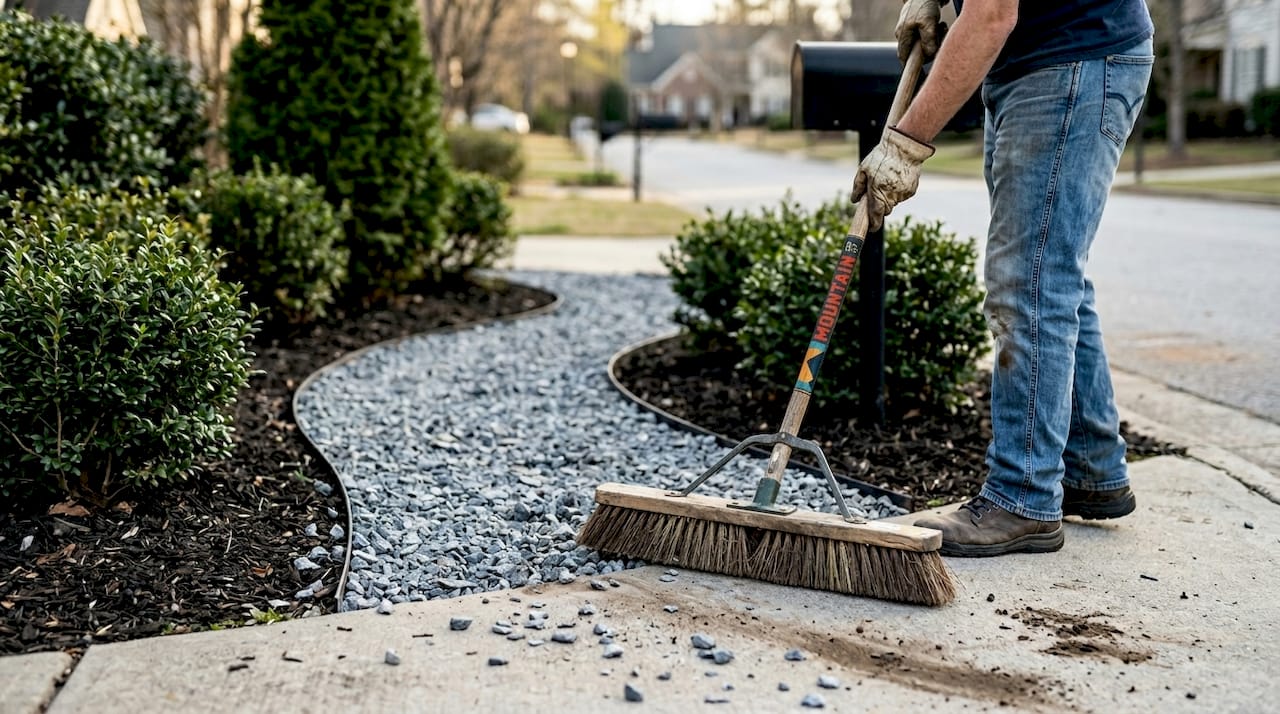
Stabilize decorative rocks on slopes or walkways to prevent erosion and displacement. Install landscape fabric beneath rocks to suppress weeds while allowing water drainage. Edge beds with metal or plastic edging to contain rocks and maintain clean borders. On steep slopes, consider terracing or using larger, heavier rocks that resist gravity better than small, lightweight materials.
Follow these placement guidelines:
Explore river rock benefits for drainage, aesthetics, and low maintenance in Atlanta landscapes. Professional landscapers choose river rock for its natural appearance and proven performance in various applications from garden beds to water features.
Ready to transform your outdoor space with premium decorative rocks? Mountain High Landscape and Hardscape Supply offers an extensive selection of river rock, crushed stone, pea gravel, and specialty materials perfect for Atlanta metro area projects.

Our expert team helps homeowners and professional landscapers select the ideal materials for every application, from elegant garden beds to durable driveways. We stock various sizes and colors to match your vision, with convenient pickup at our Marietta and Smyrna locations or reliable delivery throughout the metro area. Beyond decorative rocks, explore our landscape supply terminology guide to understand all your options, from river sand for base preparation to premium organic topsoil for planting areas. Visit our clean, organized supply yards where world-class service meets quality materials for your next landscaping project.
Crushed stone or angular rocks provide the best stability for high-traffic areas like driveways, walkways, and parking areas. The angular edges lock together, creating a firm surface that resists shifting and displacement under foot traffic and vehicle weight. Smooth small rocks like pea gravel are not recommended for heavy traffic zones without proper base stabilization.
Maintain at least a 3-inch gap between decorative rocks and plant trunks to protect roots and allow proper airflow. This spacing prevents bark damage, reduces moisture buildup that encourages rot, and eliminates hiding spots for destructive insects. Consistent spacing throughout your beds helps maintain healthy plants and extends the life of your landscape investment.
Some decorative rocks can increase soil alkalinity over time, which affects plant health and nutrient availability. Limestone-based crushed stone tends to raise pH levels, while river rock and lava rock typically have minimal impact. Testing soil pH before choosing rocks is recommended, especially if you grow acid-loving plants like azaleas or blueberries common in Atlanta gardens.
Light-colored rocks brighten shady spots by reflecting available light, making these areas feel more open and inviting. White, beige, and light gray rocks work exceptionally well under trees or along north-facing walls. Dark rocks absorb heat and are better suited for sunny areas where they provide thermal mass and dramatic color contrast against green foliage.