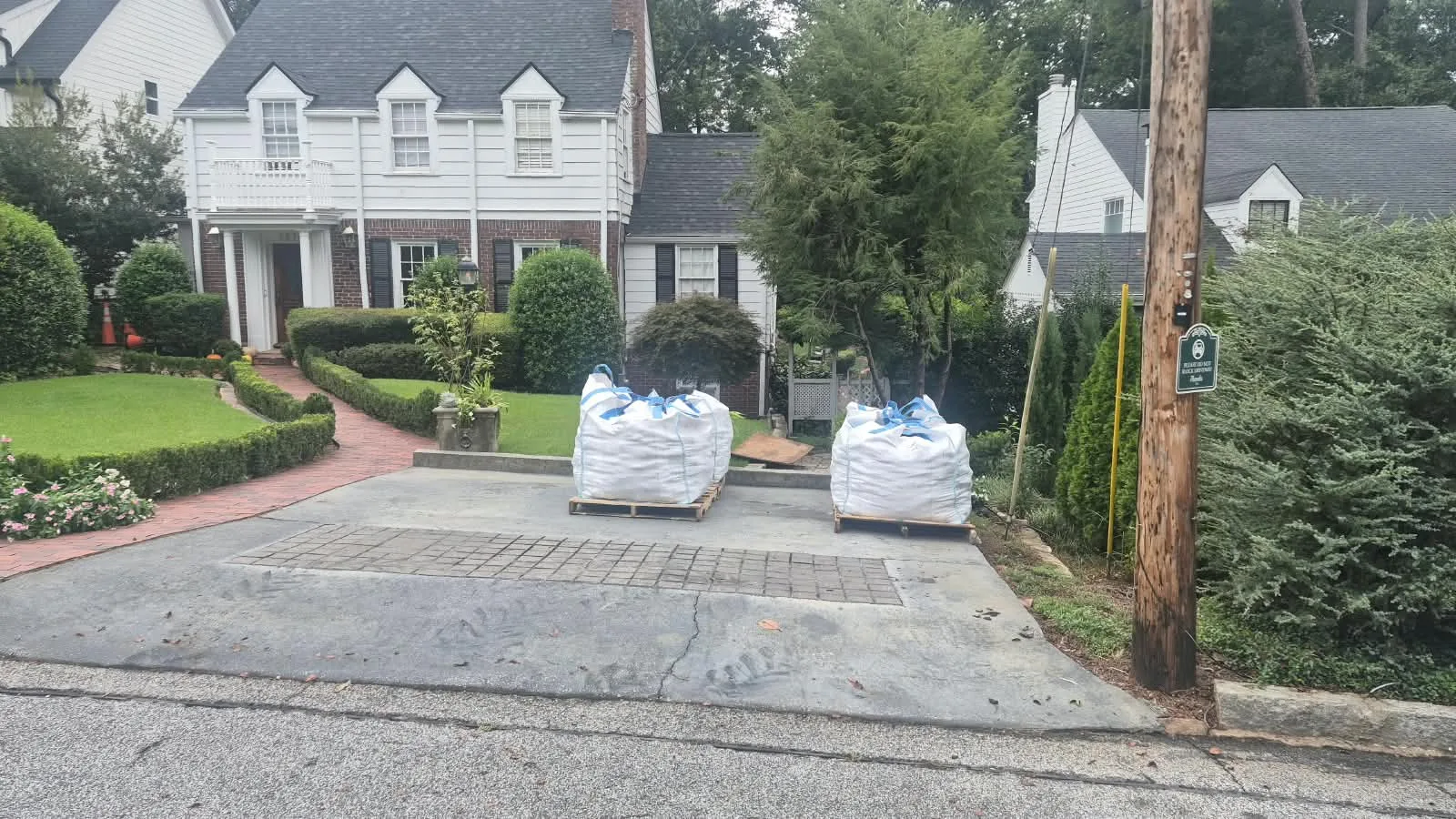
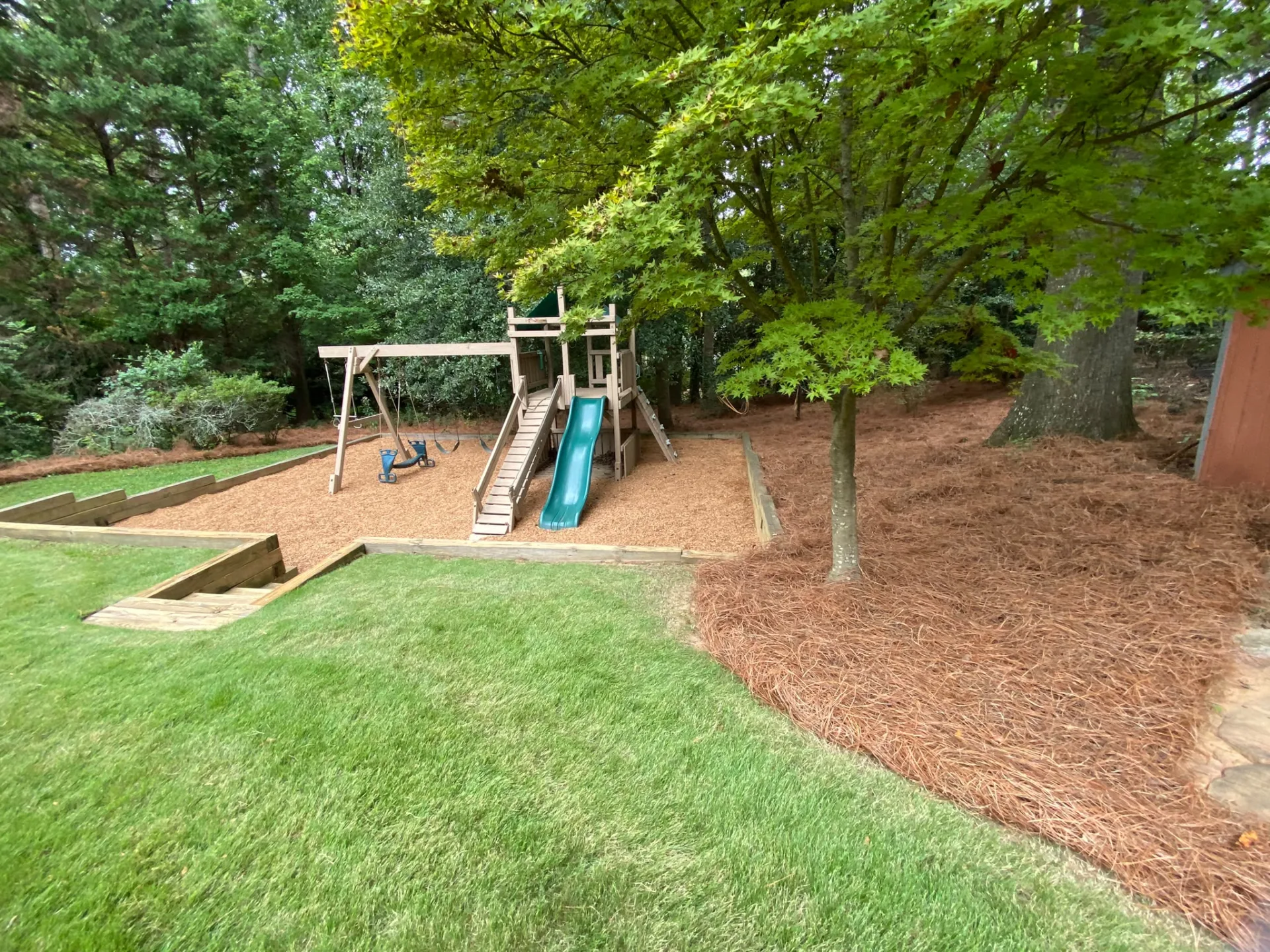
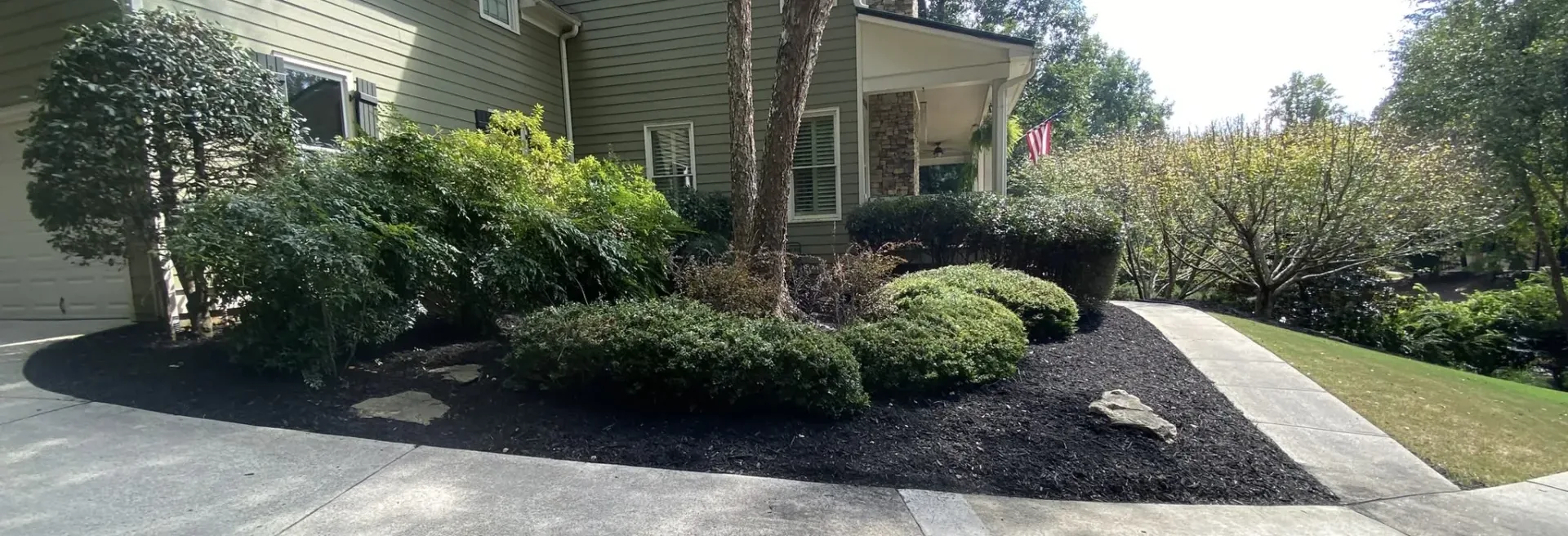
Hardscaping is often dismissed as purely decorative, but it solves critical challenges Georgia homeowners and landscapers face every day. From managing stormwater runoff on sloped terrain to preventing soil erosion after heavy rains, hardscaping provides structural solutions that softscaping alone cannot deliver. Whether you’re dealing with an uneven yard in Marietta or designing an outdoor living space in Smyrna, understanding hardscaping transforms how you approach landscape projects. This guide explains what hardscaping is, why it matters in Georgia’s unique environment, and how to apply it effectively to enhance both function and beauty in your outdoor spaces.
| Point | Details |
|---|---|
| Hardscaping definition | Hard materials like stone, concrete, and brick create functional outdoor structures that complement plants and lawns. |
| Georgia terrain solutions | Hardscaping addresses sloped yards, soil erosion, and stormwater management challenges common in metro Atlanta. |
| Popular materials | Segmental blocks, natural stone, pavers, and brick offer diverse aesthetic and functional options for regional projects. |
| Market growth | The retaining wall market reached $8.7 billion in 2024, reflecting rising demand for terrain management solutions. |
| Dual purpose | Hardscaping enhances property value while solving practical landscaping problems through strategic design and installation. |
Hardscaping involves using hard materials like stone, concrete, brick, and gravel to create structural elements in outdoor spaces. Unlike softscaping, which focuses on living components such as plants, trees, and lawns, hardscaping handles the bones of your landscape design. These features provide stability, define spaces, and manage water flow in ways that vegetation cannot achieve alone.
Common hardscape elements include patios, retaining walls, walkways, driveways, outdoor kitchens, fire pits, and decorative borders. Each serves both practical and aesthetic purposes. A well-designed patio extends your living space outdoors, while a strategically placed retaining wall prevents soil from washing away during Georgia’s frequent thunderstorms. Walkways guide foot traffic and protect grass from wear, and driveways provide durable surfaces that withstand vehicle weight year after year.
In Georgia, hardscaping addresses specific regional challenges. The state’s rolling terrain creates natural slopes that can lead to erosion, especially in areas with clay-heavy soil. Heavy rainfall events common to the Southeast require thoughtful drainage solutions. Hardscaping features like retaining walls manage these issues effectively when installed correctly. A properly built wall solves problems unique to our region, turning unusable slopes into functional terraces or garden beds.
Proper installation prevents erosion by redirecting water flow and stabilizing soil. Retaining walls hold back earth on slopes, creating level areas for planting or recreation. Permeable pavers allow rainwater to filter through rather than pooling on surfaces. French drains hidden beneath gravel pathways channel excess moisture away from foundations. These features work together to create outdoor spaces that remain beautiful and functional through all seasons.
Pro Tip: Before starting any hardscape project, check local building codes and HOA requirements in your Georgia community, as retaining walls over certain heights often require permits and engineering plans.
Key hardscaping benefits for Georgia properties:
Retaining walls rank among the most important hardscape features for Georgia homeowners dealing with sloped properties. These structures hold back soil, create level planting areas, and prevent erosion that can damage foundations and landscapes. The worldwide market for retaining walls hit $8.7 billion in 2024, driven by terrain challenges similar to those found throughout metro Atlanta.
Several retaining wall types suit different applications and budgets. Segmental block systems use interlocking concrete units that stack without mortar, offering flexibility and ease of installation. Poured concrete walls provide maximum strength for tall applications but require professional installation and cost more upfront. Stone veneer walls combine the durability of concrete with the natural appearance of stacked stone, delivering aesthetic appeal with structural integrity. Timber walls work well for shorter applications but have limited lifespans in Georgia’s humid climate.
Segmental blocks dominate residential projects because they balance performance, appearance, and cost. These blocks come in diverse colors and textures that complement various architectural styles, from traditional brick homes to modern designs. Manufacturers offer options mimicking natural stone, smooth contemporary finishes, and textured surfaces that add visual interest. You can find retaining wall blocks in earth tones, grays, and even charcoal shades to match your home’s exterior palette.
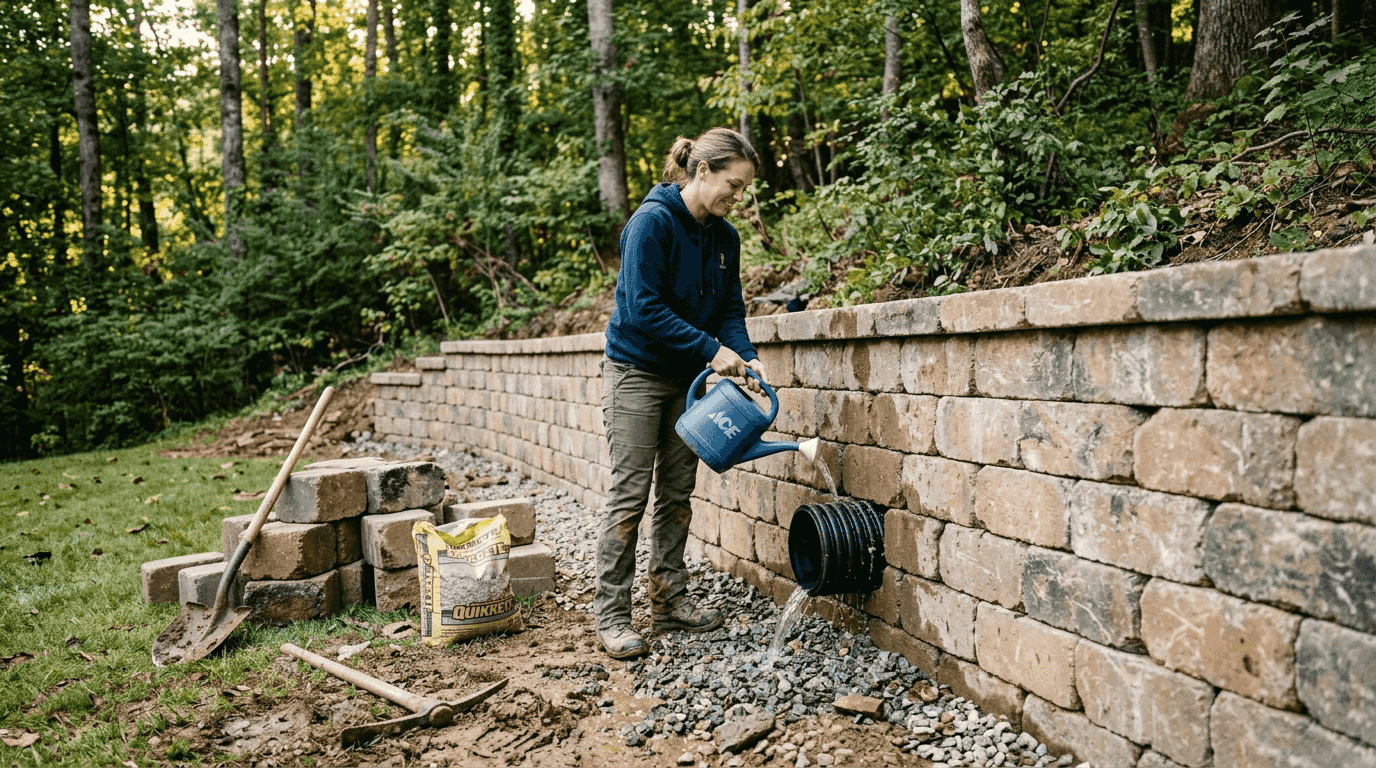
Drainage determines retaining wall longevity and effectiveness. Water buildup behind walls creates hydrostatic pressure that can cause failure over time. When built the right way, with proper drainage, these walls manage stormwater effectively. Installers place gravel backfill behind walls to facilitate water movement, add perforated drain pipes at the base to channel moisture away, and include weep holes that allow water to escape through the wall face. These drainage features prevent pressure buildup and extend wall life significantly.
Pro Tip: For walls over four feet tall, consult a structural engineer to ensure proper design, as taller structures face greater soil pressure and may require geogrid reinforcement for stability.
| Wall Type | Best Use | Lifespan | Cost Range |
|---|---|---|---|
| Segmental Block | Residential slopes up to 8 feet | 50-100 years | $15-$30 per sq ft |
| Poured Concrete | Commercial or tall applications | 75+ years | $40-$60 per sq ft |
| Stone Veneer | Decorative residential walls | 50-75 years | $25-$45 per sq ft |
| Timber | Low walls under 3 feet | 10-20 years | $10-$20 per sq ft |
Retaining walls serve dual purposes in Georgia landscapes. They solve practical problems like erosion control and yard leveling while creating design opportunities. Terraced gardens on hillsides add depth and visual interest. Raised planting beds along walls showcase flowers and shrubs at eye level. Seat walls around patios provide both structural support and built-in seating for outdoor gatherings. Retaining wall blocks transform landscapes by turning challenging slopes into attractive, functional outdoor spaces.
Market growth reflects increasing homeowner awareness of retaining wall benefits:
Material selection impacts both the appearance and performance of hardscape features. Concrete blocks offer durability and affordability, making them popular for retaining walls, edging, and structural elements. Natural stone provides timeless beauty but costs more and requires skilled installation. Brick delivers classic appeal that complements traditional Southern architecture. Pavers come in countless shapes, colors, and patterns, allowing creative designs for patios and walkways.
Design choices should align with your home’s architectural style. Modern homes benefit from clean lines, smooth finishes, and monochromatic color schemes using materials like slate-gray pavers or polished concrete. Traditional Georgian and Colonial-style homes pair well with brick, natural stone, and warm earth tones. Transitional designs blend contemporary and classic elements, mixing materials like smooth concrete blocks with natural stone accents.
Georgia’s climate demands weather-resistant materials. Freeze-thaw cycles, though less severe than northern states, still occur in winter. Summer heat and humidity stress certain materials. Segmental blocks come in varieties of colors, textures, and styles engineered to withstand regional weather patterns. Look for products rated for your climate zone and consider how materials age. Some natural stones develop attractive patinas, while others may stain or fade without proper sealing.
| Material | Durability | Maintenance | Aesthetic Flexibility | Cost |
|---|---|---|---|---|
| Concrete Blocks | Excellent | Low | Moderate | Low to Moderate |
| Natural Stone | Excellent | Moderate | High | High |
| Brick | Very Good | Low | Moderate | Moderate |
| Concrete Pavers | Excellent | Low | Very High | Moderate |
| Flagstone | Good | Moderate | High | High |
Color and texture choices significantly impact curb appeal. Light colors reflect heat and create bright, open feelings in small spaces. Dark tones add drama and hide dirt better but absorb more heat in sunny areas. Textured surfaces provide slip resistance for walkways and pool decks. Smooth finishes suit contemporary designs but can become slippery when wet. Mix materials thoughtfully to create visual interest without overwhelming the overall design.
Diamond pro retaining blocks offer straight-face designs ideal for modern applications, while tumbled pavers create Old World charm. Belgard pavers provide extensive design options with proven performance in Georgia’s climate. Consider how materials will look five or ten years down the road, not just on installation day.
Design must support both structural function and aesthetic goals. Retaining walls need proper setback angles and drainage regardless of appearance. Patios require adequate slope for water runoff even when creating level entertaining spaces. Walkways should be wide enough for comfortable passage while fitting proportionally within the landscape. Balance practical requirements with visual preferences to create hardscapes that perform well and look great.
Material selection tips:
Hardscaping solves common landscaping problems Georgia homeowners face. Stormwater runoff damages foundations, erodes soil, and creates muddy areas where grass won’t grow. Sloped yards limit usable space and make mowing dangerous. Poor drainage leads to standing water that breeds mosquitoes and kills plants. Strategic hardscaping addresses these issues while creating beautiful outdoor environments.

Common applications transform challenging landscapes into functional assets. Patios provide stable surfaces for furniture and grills, extending indoor living spaces outdoors. Walkways protect lawns from foot traffic while guiding visitors safely through gardens. Retaining walls create terraces on slopes, multiplying usable yard space. Outdoor kitchens and fire pits establish entertainment zones that increase property enjoyment and value. Steps and landings make sloped properties accessible and safe.
The retaining wall block market alone was valued at $852 million in 2024, demonstrating strong demand for these essential hardscape components. This growth reflects homeowner recognition that properly built walls manage stormwater and reduce erosion effectively, protecting property investments.
Planning and installing a retaining wall successfully:
Pro Tip: Hire experienced contractors for walls over four feet tall or those near property lines, as mistakes can be costly and structural failures may create liability issues.
Choosing the right contractor requires research and verification. Request references from recent projects similar to yours. Visit completed installations to assess quality and longevity. Verify licensing, insurance, and bonding appropriate for your project scope. Get detailed written estimates that specify materials, timeline, and warranty coverage. Avoid contractors who pressure quick decisions or request large upfront payments.
“A properly built wall solves problems unique to our region. When constructed with adequate drainage and appropriate materials for Georgia’s soil conditions, retaining walls prevent erosion, manage water flow, and create usable outdoor spaces that last for decades.”
Hardscaping benefits extend beyond problem-solving. Well-designed features increase property values by enhancing curb appeal and functionality. Outdoor living spaces rank high on buyer wish lists, making hardscape investments worthwhile. Low-maintenance materials reduce ongoing yard work, freeing time for enjoyment rather than upkeep. Durable installations withstand heavy use, supporting active family lifestyles and frequent entertaining.
Winter hardscaping projects offer advantages like contractor availability and cooler working conditions. Professional stone and hardscape suppliers provide materials and expertise that ensure successful installations.
Key applications for Georgia properties:
Transforming your outdoor space starts with quality materials designed for Georgia’s unique climate and terrain. Mountain High Landscape and Hardscape Supply serves metro Atlanta homeowners and professional landscapers with premium products that deliver lasting performance and beauty.

Our Marietta supply yard stocks everything needed for successful hardscape projects, from retaining wall blocks in multiple styles and colors to specialty materials like river sand for proper drainage and base preparation. We also provide premium organic topsoil to complete your landscape after hardscape installation. Whether you need retaining wall blocks for a slope stabilization project or decorative stone for aesthetic enhancement, our knowledgeable team helps you select the right products for your specific application. Visit our clean, organized yards in Marietta or Smyrna, or take advantage of our reliable delivery service throughout the metro area.
Concrete pavers, segmental retaining wall blocks, and natural stone perform exceptionally well in Georgia’s climate. These materials withstand freeze-thaw cycles, resist moisture damage, and maintain appearance through hot, humid summers. Choose products specifically rated for southeastern weather conditions and verify manufacturer warranties cover your region.
Professional hardscaping installations typically return 50 to 80 percent of their cost in increased property value. Outdoor living spaces, retaining walls, and attractive walkways enhance curb appeal and functionality, making homes more desirable to buyers. Well-maintained hardscape features require less ongoing investment than traditional landscaping, adding to their value proposition.
Homeowners can successfully install segmental block retaining walls up to three feet tall with proper research and preparation. Taller walls require engineering and professional installation to ensure structural integrity and compliance with building codes. Even smaller projects benefit from understanding proper base preparation, drainage installation, and block placement techniques to achieve long-lasting results.
Hardscaping manages drainage through multiple mechanisms including retaining walls that redirect water flow, permeable pavers that allow infiltration, and French drains that channel excess moisture away from problem areas. Properly designed hardscape features work together to prevent erosion, eliminate standing water, and protect foundations from water damage common in Georgia’s heavy rainfall events.
Most hardscape features need minimal maintenance compared to traditional landscaping. Sweep pavers and patios regularly to prevent debris buildup. Seal natural stone every few years to maintain appearance and weather resistance. Check retaining wall drainage annually to ensure proper function. Remove weeds from joints promptly and reapply polymeric sand as needed to maintain paver stability.
Quality hardscape installations last decades with minimal maintenance. Concrete pavers and retaining wall blocks often carry 50 to 100-year lifespans when properly installed. Natural stone features can last even longer. Longevity depends on correct base preparation, adequate drainage, appropriate material selection for your application, and following manufacturer installation guidelines throughout the project.