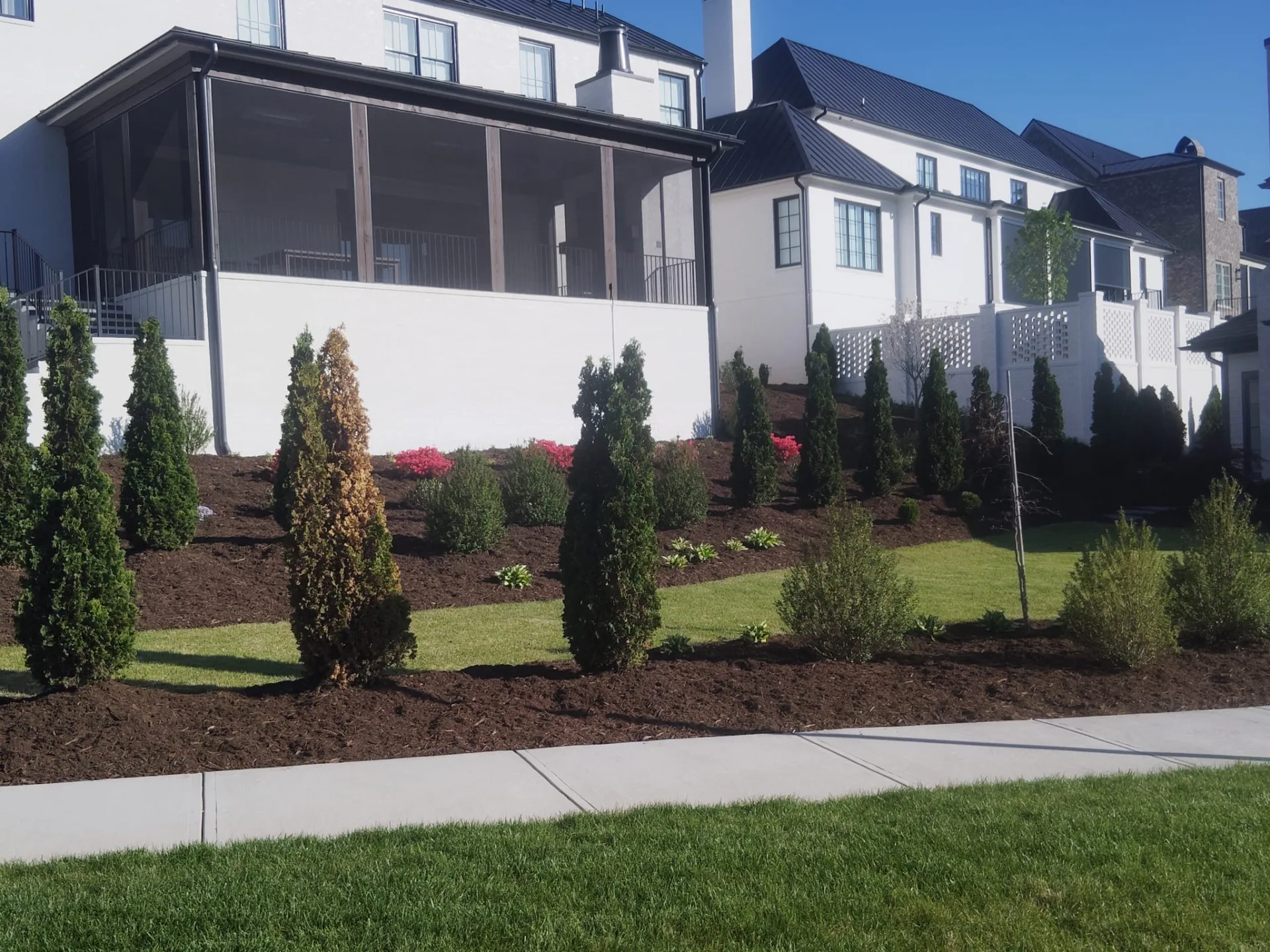
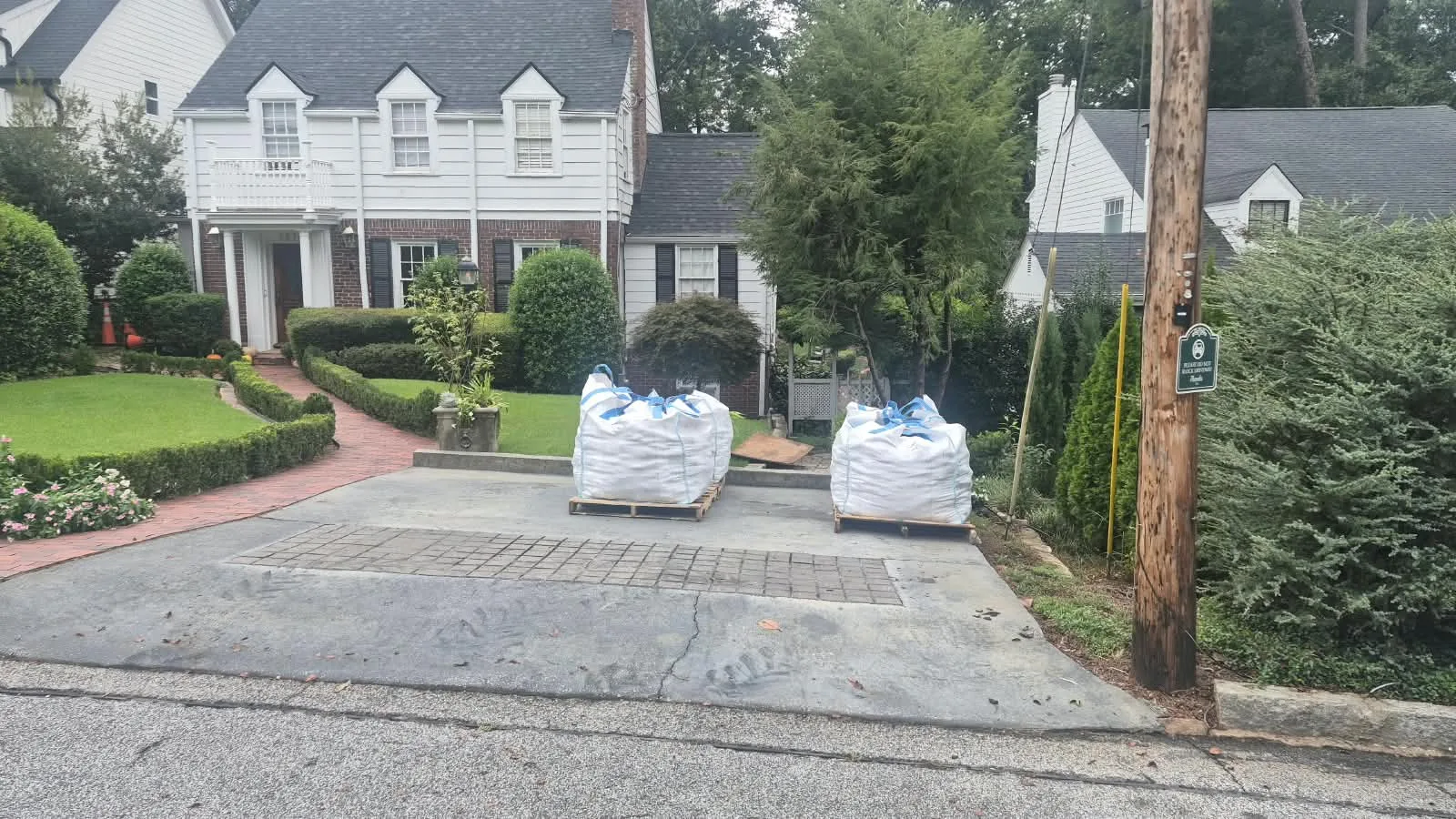
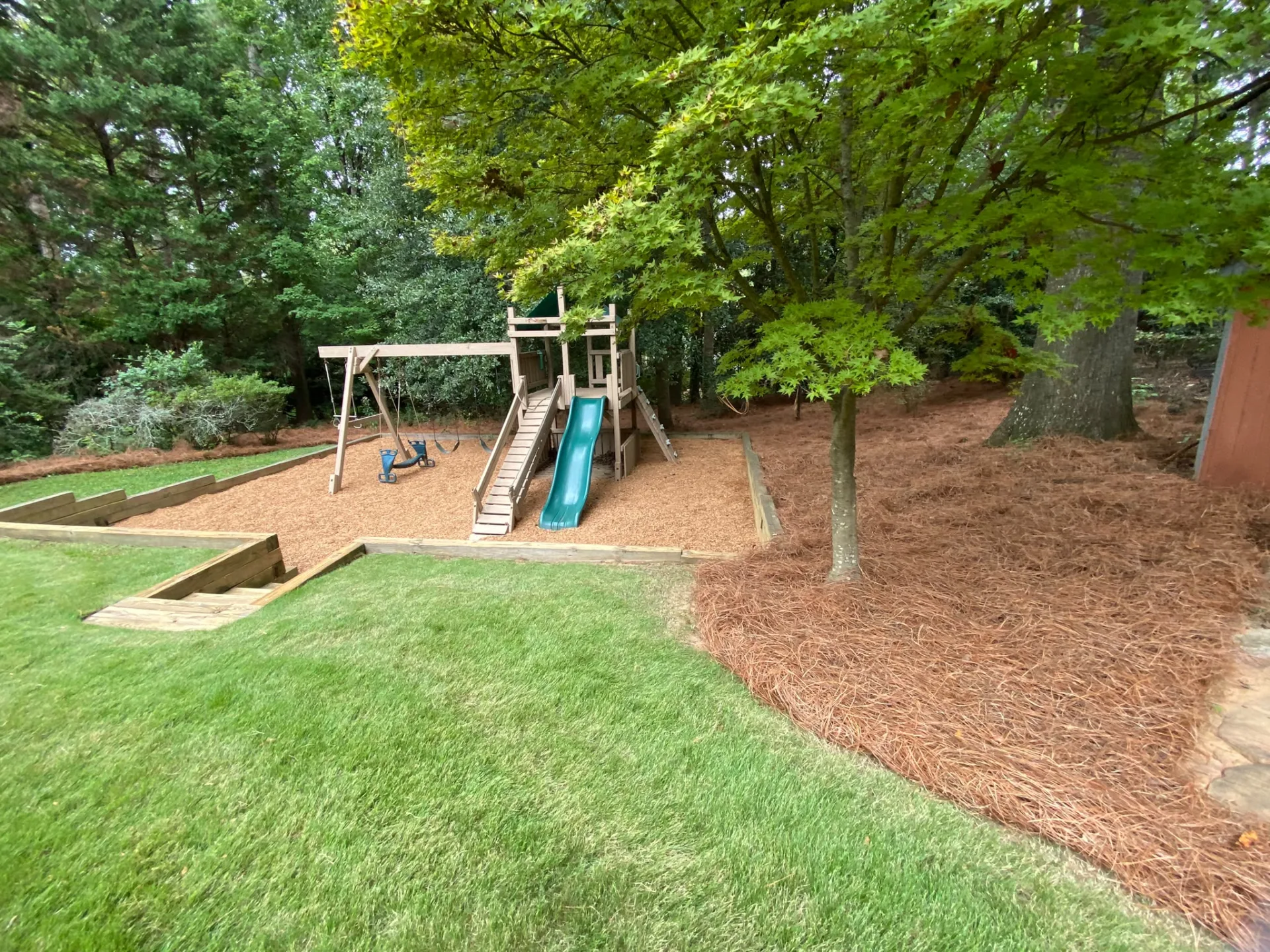
Many Atlanta homeowners assume HOA landscaping rules exist mainly to restrict what they can do with their own yards. That assumption leads to frustration, delayed projects, and missed opportunities to create outdoor spaces that genuinely stand out. The reality is quite different. When you understand how these rules work and pair that knowledge with the right materials, you gain a clear path to a landscape that satisfies your HOA board, impresses your neighbors, and adds measurable value to your property. This guide walks you through everything you need to know, from material selection to the approval process and long-term maintenance.
| Point | Details |
|---|---|
| Understand HOA rules | Learning your HOA’s landscaping guidelines helps avoid costly mistakes and delays. |
| Choose approved materials | Select HOA-friendly supplies like compliant mulch, sod, and stone to ensure easy approval. |
| Plan for fast approval | Gather documents and prepare samples early to speed up the HOA signoff process. |
| Maintain year-round appeal | Regular upkeep and strategic design keep your landscaping both beautiful and rule-compliant. |
With the homeowner’s confusion in mind, let’s clarify how HOA landscaping policies actually work.
HOA landscaping guidelines are not arbitrary lists of restrictions. They are structured standards designed to protect property values and maintain the visual harmony that makes Atlanta neighborhoods desirable places to live. Most HOA documents, often called CC&Rs (Covenants, Conditions, and Restrictions), cover a specific set of landscaping topics that affect how your yard looks from the street and how it interacts with neighboring properties.
Common areas covered by HOA landscaping rules include:
The core goal behind all of these standards is straightforward: when every property in a community meets a baseline level of care and quality, the entire neighborhood benefits. Studies consistently show that well-maintained landscaping can increase property values by meaningful percentages, and HOA standards are one of the most reliable mechanisms for sustaining that value over time.
One of the biggest misconceptions we hear from Atlanta homeowners is that HOAs only restrict. In practice, HOAs set a quality floor, not a creativity ceiling. A homeowner who wants to install fresh mulch beds, plant flowering shrubs, or add decorative stone pathways can absolutely do all of that within HOA guidelines. The key is choosing materials that align with the association’s approved standards.
“HOA landscaping rules are not obstacles to a beautiful yard. They are the framework that ensures every home in the community contributes to a shared standard of quality and pride.”
For example, mulch color and material type are regulated in many Atlanta communities because inconsistent mulch choices create visual clutter across a neighborhood. Understanding the benefits of mulch and pine straw for HOAs helps homeowners make selections that satisfy the board while genuinely improving their landscape’s health and appearance.
Once you understand HOA motives, it’s easier to evaluate which supplies will get your landscape approved and admired.
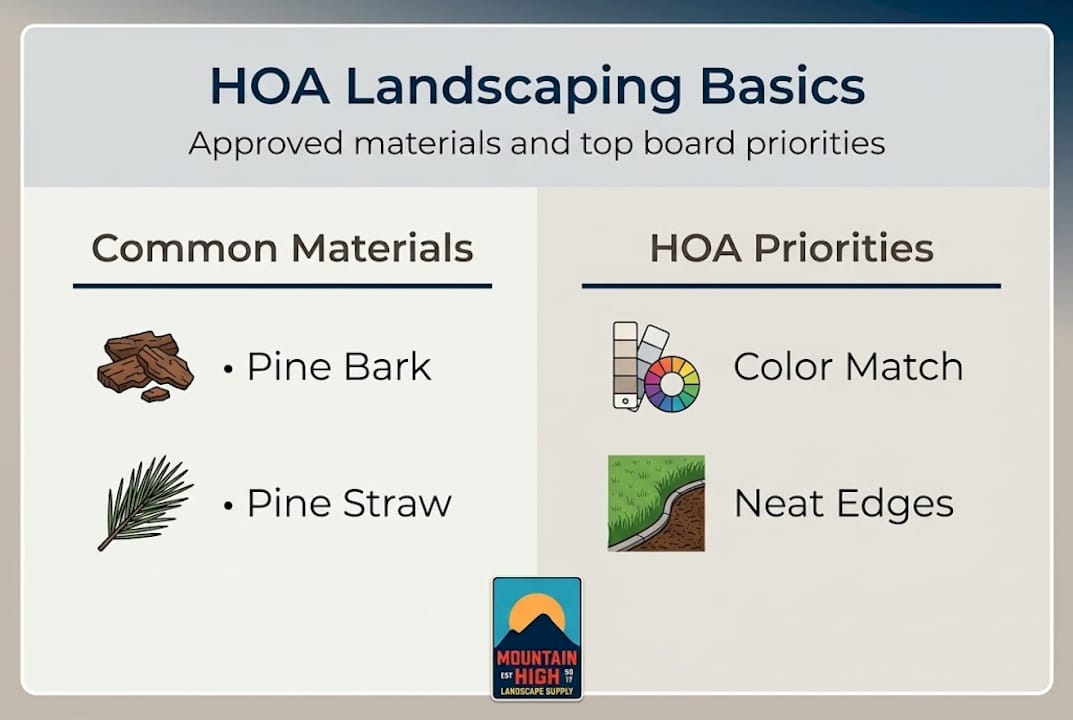
Not all landscaping materials are treated equally by HOA boards. Some materials are almost universally accepted, while others require additional documentation or are outright prohibited in certain communities. Here is a practical comparison of the most commonly approved materials in Atlanta-area HOA communities.
| Material | HOA acceptance | Visual impact | Maintenance level | Weed suppression |
|---|---|---|---|---|
| Pine bark mulch | Very high | Rich, natural look | Low | Excellent |
| Brown/red mulch | High | Bold, defined beds | Low | Excellent |
| Pine straw | High | Classic Southern look | Very low | Good |
| Bermuda sod | Very high | Uniform, dense lawn | Moderate | N/A |
| Zoysia sod | High | Lush, fine texture | Low to moderate | N/A |
| River sand | Moderate | Clean, neutral | Low | Low |
| Decorative stone | Moderate to high | Modern, durable | Very low | Moderate |
| Topsoil | High (for beds) | Foundation material | Low | N/A |
Each material carries specific compliance considerations. Mulch, for instance, is judged not just on color but on how uniformly it is applied and whether it is kept at the appropriate depth, typically two to three inches. Pine straw is popular in Atlanta because it is native to Georgia, naturally tidy in appearance, and easy to refresh seasonally. Sod selection matters because HOAs in many communities require a specific grass variety to maintain a consistent look across all lawns.
Key compliance factors to keep in mind for each material:
Pro Tip: Organic mulches like pine bark serve double duty in HOA communities. They meet the visual standards most boards require while also improving soil health by retaining moisture and slowly adding nutrients as they break down. When you’re choosing the right mulch for an HOA property, prioritize color stability and consistent texture for the best long-term results. Additional mulch selection tips specific to Atlanta gardens can help you narrow down the best option for your beds.
Equipped with the right material options, you’re ready to secure HOA approval smoothly.
The HOA approval process can feel daunting if you have never been through it before. In practice, it follows a predictable sequence, and knowing each step in advance removes most of the stress.
Here is a realistic look at typical HOA review timelines in Atlanta-area communities:
| Project type | Typical review time | Common delay causes |
|---|---|---|
| Mulch or pine straw refresh | 1 to 2 weeks | Missing material specs |
| Sod replacement | 2 to 3 weeks | Grass variety not specified |
| New planting beds | 2 to 4 weeks | Plant list not included |
| Hardscape addition | 3 to 6 weeks | No contractor documentation |
| Tree removal | 4 to 8 weeks | Arborist report required |
Pro Tip: When you submit your proposal, include physical material samples or a link to your supplier’s product page. HOA boards are made up of volunteers who are not always familiar with landscaping terminology. Seeing the actual product, or a clear photo of it, speeds up their decision significantly. If you plan to install mulch like a pro yourself, document your installation plan as part of the submission. For homeowners working with a tighter budget, there are affordable landscape enhancements that still meet HOA standards without overspending.
One common mistake is submitting an incomplete proposal and assuming the board will ask for what they need. Boards often simply deny incomplete submissions rather than request revisions. A thorough first submission is always faster than a resubmission.
After getting the green light, maintaining and enhancing your HOA-compliant space becomes the next priority.
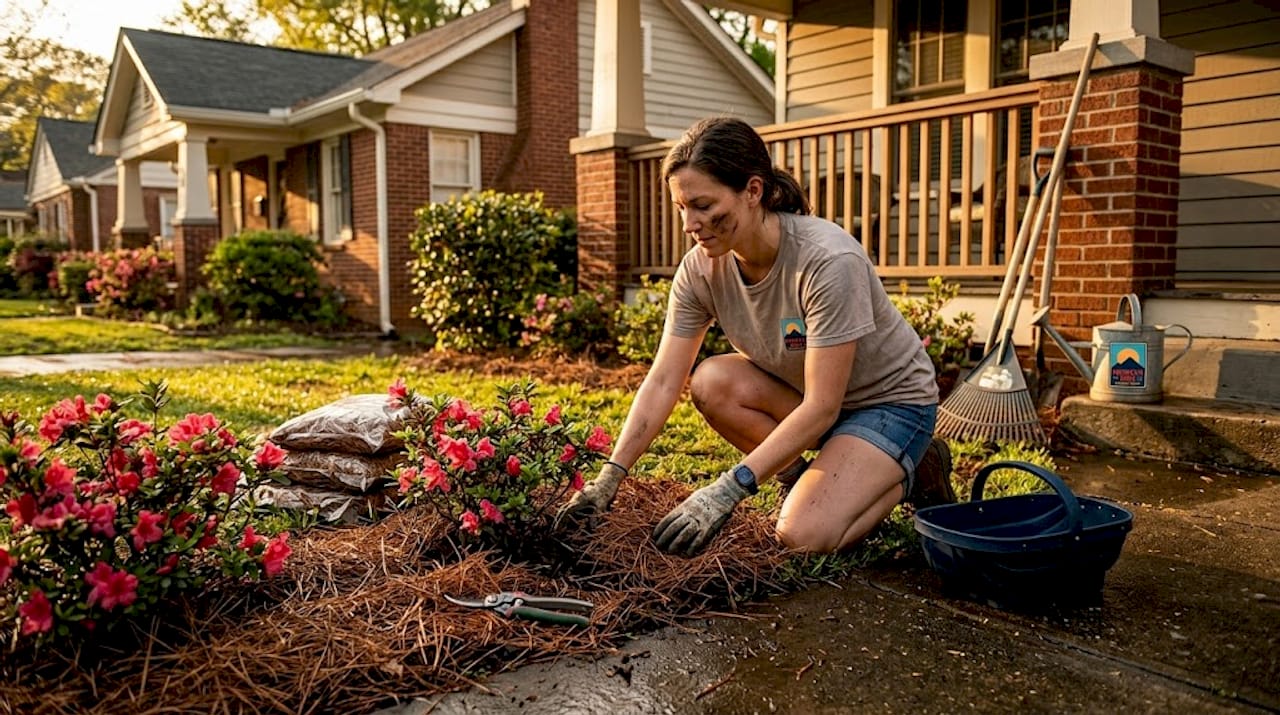
Approval is just the beginning. The real work is building a landscape that looks great year-round, requires manageable upkeep, and never triggers a compliance letter. Here are the strategies that consistently produce the best results for Atlanta homeowners.
Design for low maintenance from the start. Atlanta’s climate is warm and humid, which means plant beds and lawns grow quickly. Choose sod varieties like Bermuda or Zoysia that are well-adapted to Georgia’s heat and recover quickly from dry spells. Select mulch colors that hold their appearance between seasonal refreshes rather than fading to gray within a few months.
Refresh mulch and pine straw on a consistent schedule. Most Atlanta HOA communities expect fresh mulch or pine straw at least once per year, and twice per year is common in higher-visibility communities. Faded, thin, or patchy mulch beds are one of the most frequent causes of compliance notices. Staying ahead of that schedule is far easier than scrambling to fix it after receiving a letter.
Seasonal best practices for Atlanta landscapes:
Use color-stable mulch products. Some dyed mulches fade quickly in Atlanta’s intense summer sun. Choosing a naturally colored pine bark or a high-quality dyed mulch with UV-stable colorants keeps your beds looking intentional and well-maintained throughout the season.
Document your maintenance. Keep a simple log of when you mulched, edged, fertilized, and treated for weeds. If you ever receive a compliance inquiry, having a record of your maintenance history demonstrates good faith and often resolves the issue quickly.
“Consistency is the single most powerful tool for maintaining HOA compliance. A landscape that is consistently maintained, even if modest in scope, will always outperform an elaborate design that receives irregular attention.”
For communities where professional installation is the standard, working with a trusted mulch and pine straw installation team ensures the work meets both HOA visual standards and practical durability requirements. Seeing real mulch installation results from Atlanta homes similar to yours can also give you a clear picture of what a well-executed project looks like before you commit.
Now, let’s break through common Atlanta homeowner frustrations with a new perspective.
After working with hundreds of Atlanta-area homeowners and property managers, we have noticed a clear pattern. The vast majority of HOA landscaping conflicts do not stem from unreasonable rules. They stem from homeowners who never read the rules, made material choices without checking compliance, or started work before receiving written approval.
The frustration is real. But the source of that frustration is almost always a communication gap, not a genuinely restrictive policy. When a homeowner installs bright red mulch in a community where the guidelines specify natural brown tones, the resulting compliance notice feels like an attack. In reality, it is the predictable outcome of a step that was skipped.
Here is the perspective shift that changes everything: treat your HOA board as a resource, not an adversary. Board members want the community to look good. They are not looking for reasons to send compliance letters. When you approach them early, share your plans openly, and ask questions before making decisions, you almost always find a board that is willing to work with you.
The same logic applies to your material supplier. A knowledgeable landscape supply team can tell you which mulch colors are most commonly accepted in Atlanta HOA communities, which sod varieties perform best in Georgia’s climate, and which stone products are most likely to sail through an architectural review. That expertise is available to you before you spend a dollar, if you ask for it.
Quality mulch selection is a perfect example. Choosing the wrong product is a costly mistake that is entirely preventable with a five-minute conversation with a supply expert. Build that relationship early, and most of the obstacles that Atlanta homeowners complain about simply disappear.
Pro Tip: Introduce yourself to at least one HOA board member before you start any project. A brief, friendly conversation establishes goodwill and often results in faster approvals and more flexibility when you need it.
Armed with practical strategies and a new mindset, here’s how you can make the process effortless.
At Mountain High Landscape Supply, we work with Atlanta-area homeowners and property managers every day who are navigating exactly these challenges. We stock the premium mulch, pine straw, sod, topsoil, stone, and sand that HOA communities across metro Atlanta consistently approve, and our team knows which products are most likely to meet your association’s specific standards.

Whether you are starting a new project or refreshing an existing landscape, our Atlanta landscape supply guide gives you a clear starting point for material selection and project planning. If you want to build your confidence with industry terms before your next HOA submission, our landscape supply terminology resource makes it easy to speak the language your board expects. Visit us at our Marietta or Smyrna locations, or take advantage of our reliable delivery service throughout the metro Atlanta area.
Popular compliant options include pine bark, natural, red, or brown mulch, and pine straw, chosen for their neat appearance and ease of maintenance.
In Atlanta, HOA landscape project approvals usually take one to four weeks depending on the scope of the project and the completeness of the required documentation submitted.
Many Atlanta HOAs allow stone or gravel in designated areas, but always verify with your specific association before purchasing materials or beginning installation.
Yes, organic mulches like pine bark and hardwood often meet HOA standards while improving soil moisture retention and weed suppression in planting beds.