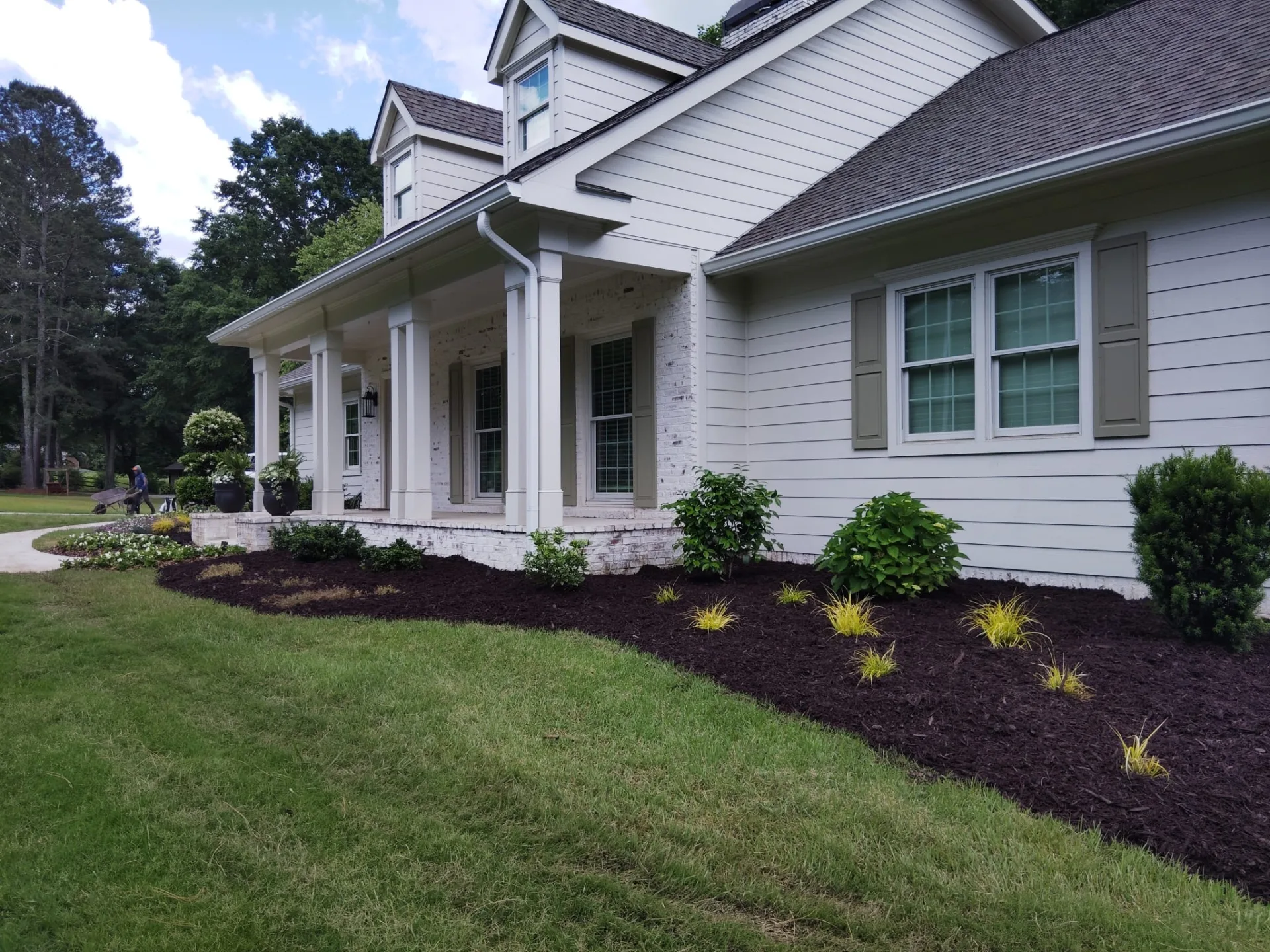
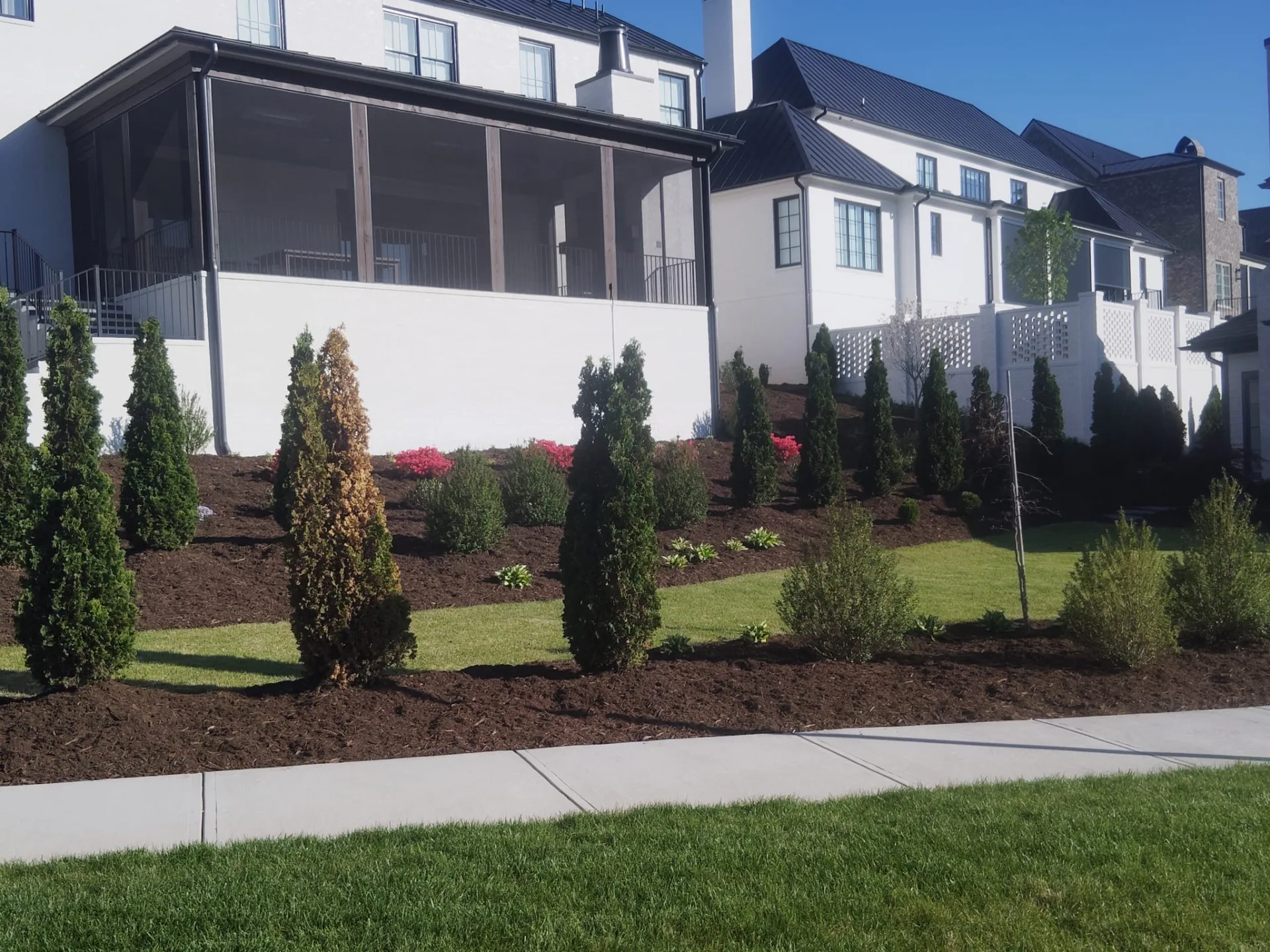
Dry, cracked soil in summer. Weeds pushing through every week. Flower beds that look tired no matter how much you water them. If you’re an Atlanta homeowner, these frustrations are familiar. The good news is that one simple material fixes all three problems at once: mulch. When installed correctly, mulch locks in moisture, suppresses weeds, and gives your yard a clean, polished look that lasts. This guide walks you through every step, from choosing the right materials to spreading the final layer, so you can get professional results without the guesswork.
| Point | Details |
|---|---|
| Mulch depth matters | Spreading mulch 2 to 4 inches deep delivers the best weed control and moisture savings. |
| Prep is key | A weeded, edged, and loosened bed ensures mulch and plants thrive together. |
| Choose the right type | Select mulch material to match Atlanta’s climate and your yard’s needs for best results. |
| Maintain regularly | Refresh mulch annually and keep it away from plant stems to avoid damage. |
Atlanta’s climate is demanding. Hot summers push soil temperatures up fast, pulling moisture away from plant roots before it can do any good. Heavy spring rains compact the soil, and Georgia’s famous red clay makes drainage a constant challenge. Mulch addresses all of these issues in one application, which is why we consider it one of the most valuable investments you can make in your yard.
Here is what mulch actually does for your landscape:
The science backs this up. UGA Extension recommends mulch for moisture retention and weed control in Georgia gardens, noting that compost mulch applied at 3 to 6 inches promotes earthworm activity, which further improves soil quality over time.
“Mulch is not just a finishing touch. In Georgia’s climate, it is a functional tool that protects your plants and reduces your maintenance load season after season.”
Beyond plant health, mulch adds real property value. Neat, well-mulched beds signal to neighbors and potential buyers that a home is cared for. If you are still deciding which material suits your yard best, our mulch selection tips can help you narrow it down. And if you want a deeper look at specific products, our guide on choosing the right mulch covers pine bark, nuggets, and pine straw in detail.
The bottom line: mulching is not optional in Atlanta. It is essential.
Good results start with good preparation. Before you load up the wheelbarrow, make sure you have everything on hand. Scrambling for tools mid-project wastes time and breaks your momentum.
Essential tools:
Choosing your mulch type:
Not all mulch is the same, and the right choice depends on your beds, your plants, and your design goals.
| Mulch type | Best use | Notes |
|---|---|---|
| Shredded hardwood | General landscape beds | Breaks down slowly, great for slopes |
| Pine bark nuggets | Shrubs and trees | Excellent drainage, long-lasting |
| Pine straw | Acid-loving plants | Lightweight, easy to spread |
| Compost mulch | Vegetable gardens | Feeds soil as it breaks down |
| Colored wood mulch | High-visibility areas | Maintains color longer, decorative |
For optional prep materials, consider a bag of compost to amend the soil before mulching, and landscape fabric if you have a persistent weed problem in a specific bed. Keep in mind that fabric works best in low-traffic ornamental areas.
Pro Tip: Always calculate your mulch needs before ordering. One cubic yard covers approximately 100 square feet at a 3-inch depth. Measure your bed length times width, then use that number to order the right amount. Ordering too little means a second trip; ordering too much means wasted material.
If you are new to buying in bulk, our article on mulch supply terminology explains cubic yards, coverage rates, and what to ask when placing an order.
The standard bed prep process includes removing weeds, old mulch, rocks, and debris, then loosening the soil and edging the beds before any mulch goes down. Getting this right upfront saves you significant rework later.
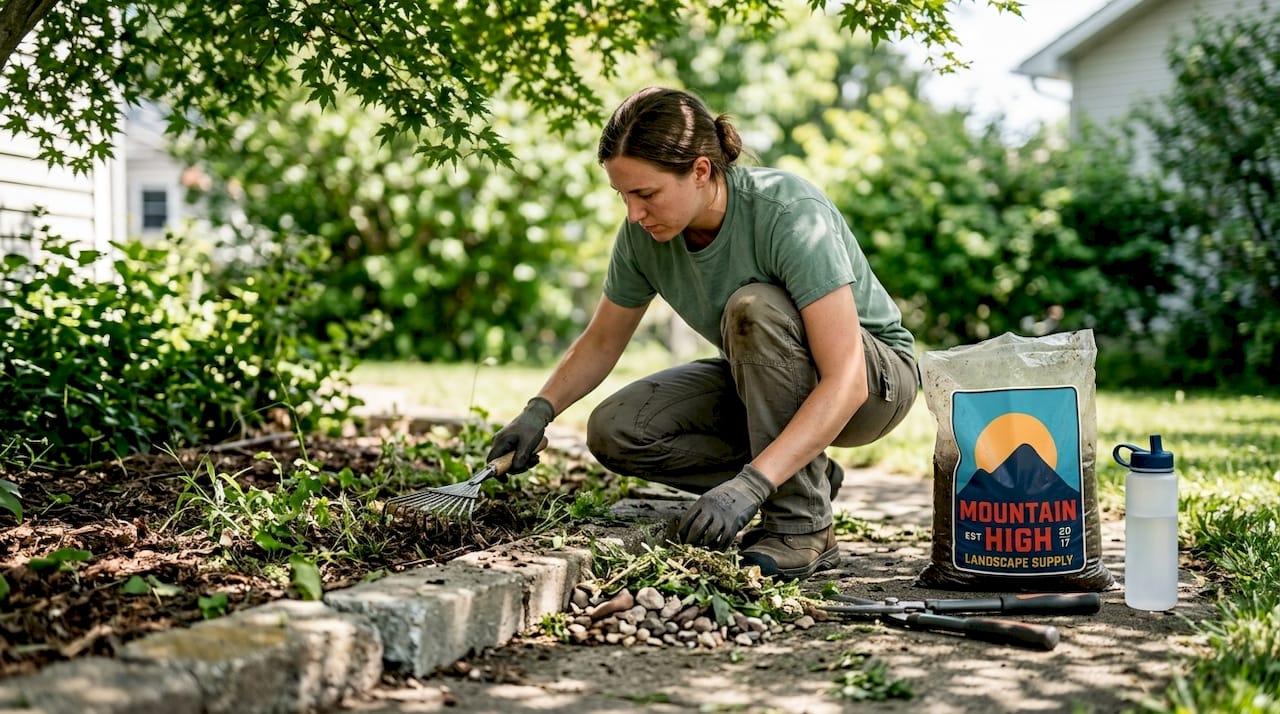
With your tools ready and your mulch ordered, here is how to install it correctly from start to finish.
Mulch depth reference guide:
| Depth | Coverage per cubic yard | Best for |
|---|---|---|
| 2 inches | 162 sq ft | Light refresh over existing mulch |
| 3 inches | 108 sq ft | Standard new installation |
| 4 inches | 81 sq ft | Heavy weed suppression areas |
Pro Tip: Never pile mulch against tree trunks. This practice, called “volcano mulching,” traps moisture against the bark and creates a breeding ground for rot and insects. Keep a clear gap around every trunk.
“Proper depth and spacing are the two most important factors in a mulch job. Get those right, and everything else falls into place.”
For bulk delivery planning, our mulch delivery tips walk you through how to coordinate drop-off for large projects. And for more detailed application advice, our installation tips cover pine straw and wood mulch side by side.

You’ve installed your mulch. Now keep it thriving with these simple troubleshooting and maintenance tips.
Even a well-done mulch job needs attention over time. Atlanta’s rain, heat, and foot traffic all take a toll. Knowing what to watch for keeps your beds looking great year-round.
Common problems and fixes:
Pro Tip: Fluff your mulch with a rake every few months. This breaks up compaction, improves airflow, and makes old mulch look fresh without adding more material.
UGA Extension guidelines recommend keeping mulch at 2 to 4 inches deep and away from plant trunks at all times. Compost mulch at 3 to 6 inches supports earthworm activity, but going too deep can smother shallow roots.
Plan for an annual refresh. Most organic mulches break down within one to two years in Atlanta’s warm, humid conditions. Add a thin layer each spring to maintain proper depth. For inspiration on what a well-maintained mulch job looks like, check out our mulch maintenance insights from a recent East Cobb installation.
Most mulch guides focus on the spreading part. What they skip is the prep work, and in Atlanta, that is where projects succeed or fail.
Georgia’s clay soil does not behave like the loamy soil you see in national gardening videos. It compacts hard, drains poorly, and needs real attention before any mulch goes down. We have seen homeowners do a beautiful mulch job on top of unprepared clay, only to watch water pool and plants struggle. A few minutes of soil loosening and a thin compost amendment changes everything.
We also see people underestimate the value of quality materials. Cheap mulch breaks down fast, compacts into a mat, and can introduce weed seeds. Premium, locally sourced mulch stays loose, breaks down gradually, and actually improves your soil. It costs a little more upfront and saves you money over two or three seasons.
Finally, know when to call in a professional. Large properties, steep slopes, or beds with complex edging are situations where professional mulch advice pays for itself. There is no shame in getting expert help for the right job.
Ready to put this guide into action? We make it easy to get exactly what your yard needs.

At Mountain High Mulch, we carry a full range of premium mulch products for every design goal and budget. Whether you want the rich warmth of red mulch for high-visibility beds or the clean, natural look of natural mulch for a more understated finish, we have you covered. Not sure how much to order or which product fits your project? Our team is ready to help. Visit our Marietta or Smyrna locations, or use our reliable metro-area delivery service. Before you order, our mulch supply guide can help you order with confidence.
Spread mulch 2 to 4 inches deep for best weed control and moisture retention. Going deeper can smother roots and create drainage problems.
Landscape fabric is optional. It blocks weeds effectively but can interfere with soil health over time, so use it only in beds where persistent weeds are a serious problem.
Measure your bed area in square feet, multiply by your desired depth in feet, then divide by 27 to get cubic yards. As a quick reference, one cubic yard covers about 100 square feet at 3 inches deep.
Replace mulch when it looks faded, has decomposed into a fine powder, or measures less than 2 inches thick. An annual top-dressing usually keeps beds in good shape.
Yes, but always keep mulch 2 to 6 inches away from trunks and stems. Direct contact traps moisture against the bark and invites rot and pest activity.