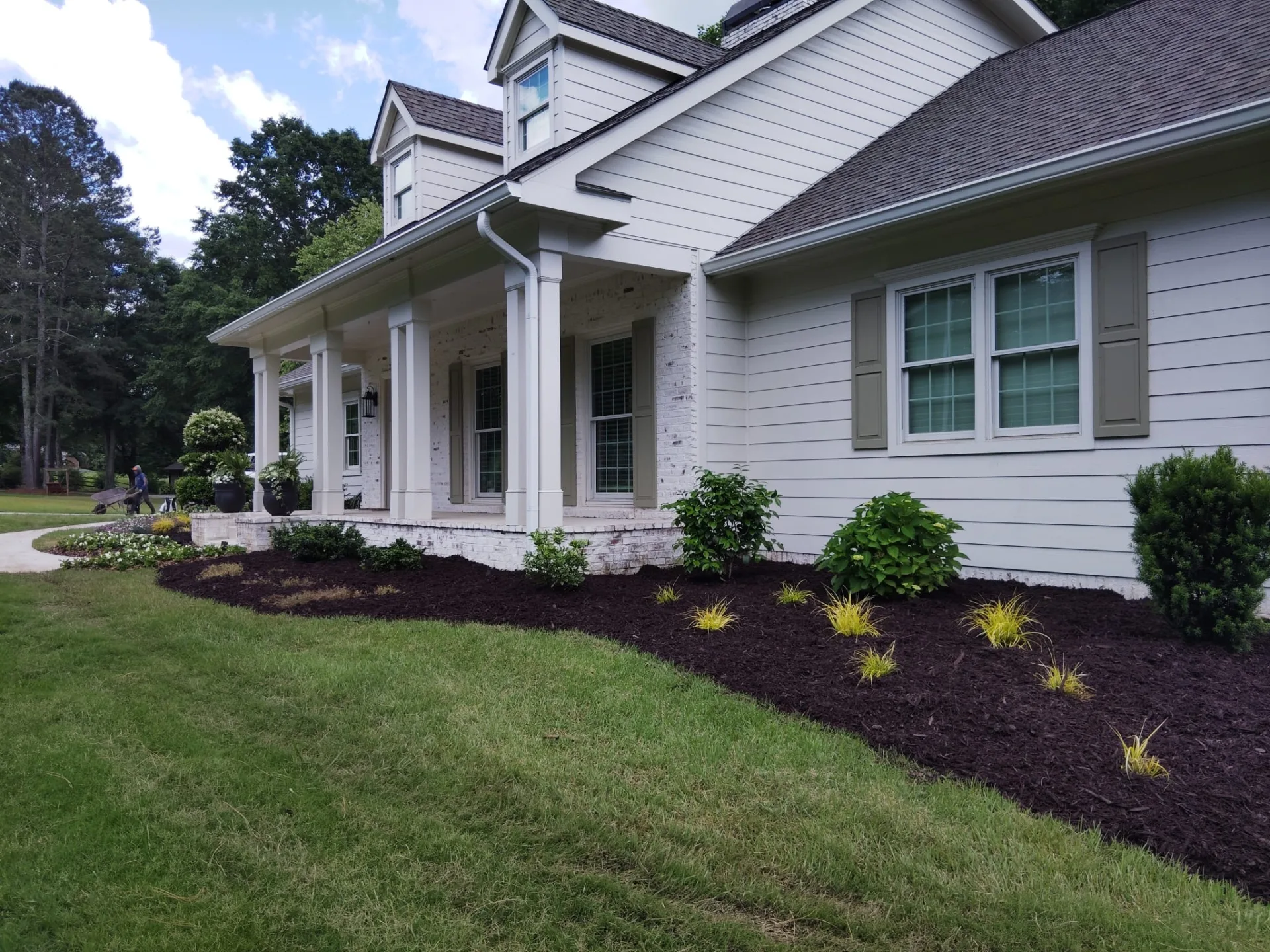
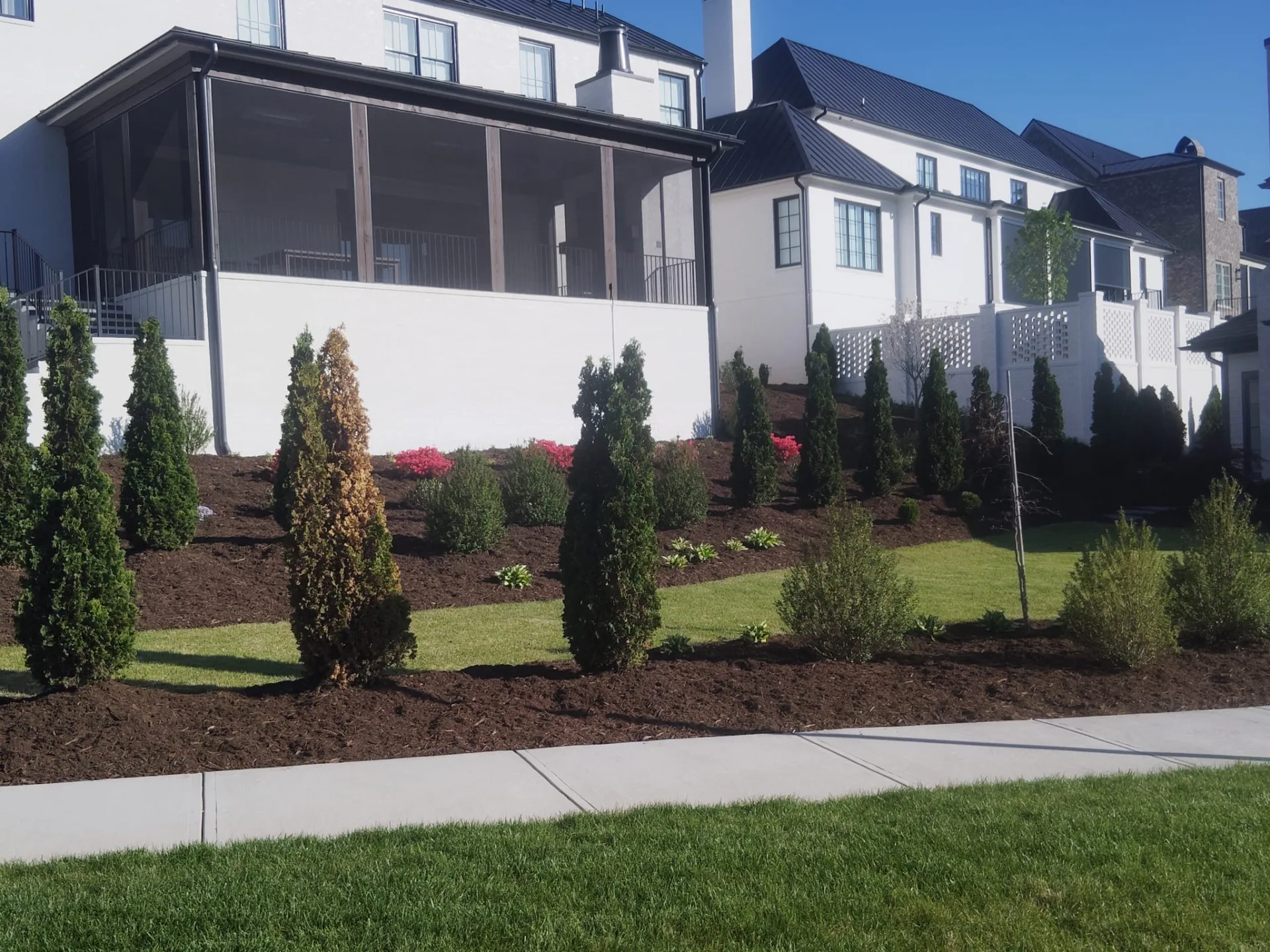
Ah, getting your hands dirty and bringing some vibrant life to your garden! It’s such a rewarding experience. Planting trees, shrubs, and flowers can truly transform your outdoor space. Since you’re planning a trip to Mountain High Landscape Supply in Atlanta, GA, you’re already on the right track for quality materials. Let’s dig into some key considerations to ensure your new plantings thrive, from the soil beneath to the mulch on top.
Laying the Groundwork: The Importance of Soil
Think of soil as the foundation of your garden. Just like a house needs a solid base, your plants need healthy soil to anchor their roots, access nutrients, and retain moisture. Before you even think about what to plant, consider what you’re starting with.
-
- Know Your Soil Type: Atlanta’s soil is often clay-heavy. While clay can retain nutrients, it can also be poorly draining and compact, making it tough for roots to penetrate. Sandy soil, on the other hand, drains too quickly and doesn’t hold nutrients well. Understanding your soil type is the first step.
- Improve Your Soil: Regardless of your native soil, amending it will significantly benefit your plants. This is where quality topsoil from Mountain High Landscape Supply comes in. Adding topsoil can improve drainage in clay soils and increase water retention in sandy soils. It also introduces beneficial organic matter.
The Power of Compost: Nature’s Plant Food
Compost is like a superfood for your garden. It’s decomposed organic matter – think leaves, grass clippings, and kitchen scraps – that’s rich in nutrients and beneficial microorganisms. Incorporating compost into your planting holes and mixing it with your existing soil offers a wealth of benefits:
- Nutrient Richness: Compost slowly releases essential nutrients that your plants need for healthy growth, strong roots, and vibrant blooms.
- Improved Soil Structure: It helps to break up clay soil, improving drainage and aeration. In sandy soils, it helps bind particles together, improving water retention.
- Enhanced Water Retention: Compost acts like a sponge, holding onto moisture and making it available to plant roots for longer periods.
- Beneficial Microbes: It introduces a thriving community of beneficial bacteria and fungi that help break down nutrients and protect plants from diseases. Mountain High likely offers various types of compost, so ask which might be best for your specific needs.
Mulch Magic: Protecting and Nourishing
Once your plants are nestled in their new homes, a layer of mulch is like a cozy blanket and a helpful bodyguard all in one. Mulch is any material spread on the soil surface around your plants, and it offers a surprising number of advantages:
- Moisture Retention: Mulch acts as a barrier, reducing evaporation from the soil surface, meaning you’ll need to water less frequently.
- Weed Suppression: By blocking sunlight, mulch helps to prevent weed seeds from germinating and growing, saving you valuable time and effort.
- Temperature Regulation: Mulch helps to insulate the soil, keeping it cooler in the summer and warmer in the winter, protecting roots from extreme temperature fluctuations.
- Soil Health: As organic mulches like bark chips or pine straw (both likely available at Mountain High) decompose, they slowly release nutrients into the soil, further enriching it.
- Aesthetics: A neat layer of mulch gives your garden beds a polished and well-maintained look.
Putting It All Together: Planting with Purpose
Now that we’ve covered the essentials, let’s talk about the actual planting process, keeping our soil, compost, and mulch considerations in mind:
- Dig the Right Hole: Make sure the planting hole is twice as wide as the root ball and just as deep. This gives the roots room to spread.
- Amend the Soil: Mix the soil you removed from the hole with a generous amount of compost and some good quality topsoil from Mountain High. This creates a nutrient-rich and well-draining environment for the new roots.
- Gentle Handling: Carefully remove the plant from its container, being mindful not to damage the roots. Gently loosen any circling roots.
- Positioning: Place the plant in the center of the hole, ensuring the top of the root ball is level with the surrounding soil surface. Planting too deep can lead to rot.
- Backfilling: Gradually fill the hole with your amended soil mixture, gently firming it around the base of the plant to eliminate air pockets. Avoid compacting the soil too much.
- Water Thoroughly: Give your newly planted tree, shrub, or flower a good deep watering to settle the soil and hydrate the roots.
- Mulch Application: Once the water has soaked in, apply a layer of mulch around the base of the plant, keeping it a few inches away from the trunk or stems to prevent rot. A 2-3 inch layer is usually ideal.
Your Mountain High Advantage
Heading to Mountain High Landscape Supply in Atlanta means you’ll have access to a wide range of quality soil amendments, various types of compost, and a selection of mulches to suit your needs and aesthetic preferences. Don’t hesitate to ask their knowledgeable staff for advice specific to the plants you’ve chosen and the conditions in your garden.
Planting trees, shrubs, and flowers is an investment in beauty and the environment. By paying attention to the soil, enriching it with compost, and protecting your plants with mulch, you’ll give them the best possible start and enjoy a thriving garden for years to come. Happy planting!