After a heavy Georgia rainstorm, even the most carefully maintained yard can turn into a soggy mess. Standing water lingers on lawns, muddy patches appear where grass used to grow, and the foundation of your home sits closer to moisture than it should. Many Atlanta homeowners and property managers assume this is just something they have to live with, but it’s not. Landscape drainage is a manageable challenge, and understanding the right solutions for your specific yard can protect your investment, preserve your landscaping, and keep your outdoor space looking sharp all year long.
| Point | Details |
|---|---|
| Drainage prevents damage | Proper landscape drainage saves your yard and home from water issues and costly repairs. |
| Solutions are site-specific | Atlanta yards need drainage strategies matched to unique slopes, soils, and rainfall. |
| Beauty and function combine | Modern drainage systems can double as attractive features using swales, dry creek beds, and thoughtful planting. |
| Expert advice pays off | Consulting pros and using quality local materials results in longer lasting, better-looking landscapes. |
Landscape drainage is the practice of managing how water moves across, through, and away from your property. That water can come from rain, irrigation systems, neighboring properties, or surface runoff from paved areas. Without a clear plan, it collects in low spots, saturates soil, damages plant roots, and can eventually compromise the structural integrity of your home.
Landscape drainage strategies rely on identifying water sources, providing an exit route, and ensuring safe discharge. Think of it as a three-step process. First, you identify where water comes from and how it travels across your yard. Second, you design a route that either moves that water safely off your property or helps it soak into the ground gradually. Third, you make sure it ends up in an appropriate place, like a storm drain, a lower landscape area, or an approved discharge point.
Good drainage prevents more than just puddles. It protects your foundation from costly water damage, keeps plant roots from rotting, prevents soil erosion, and reduces the risk of pest problems that thrive in standing water. For the hardscape drainage overview that many Atlanta properties require, patios, driveways, and walkways need to factor into the overall drainage plan just as much as the lawn does.
| Drainage Problem | Common Cause | Risk Level |
|---|---|---|
| Standing water on lawn | Low spots, poor grading | Medium |
| Water near foundation | Negative slope toward home | High |
| Dying plants in wet area | Saturated soil, poor drainage | Medium |
| Basement seepage | Subsurface water infiltration | High |
| Erosion on slopes | Uncontrolled surface runoff | Medium |
“Every yard is different. The right drainage strategy depends on the slope of your land, the type of soil you have, how much rainfall your area receives, and where you need water to ultimately go.”
Atlanta’s combination of clay-heavy soil, intense summer thunderstorms, and varying terrain means that one drainage approach rarely fits every yard. Knowing your options gives you the power to choose the right system or combination of systems.
Grading, swales, and subsurface drainage like French drains are among the most widely referenced techniques for managing residential runoff effectively. Here is a breakdown of the most common solutions used in Atlanta:
| Solution | Best For | Relative Cost | Visual Impact |
|---|---|---|---|
| Swales | Large open areas, runoff channels | Low | Low to moderate |
| French drains | Wet spots, foundation issues | Moderate | Low |
| Dry creek beds | Surface runoff, erosion | Moderate | High |
| Regrading | General slope correction | Varies | Low |
| Retaining walls | Steep slopes, severe erosion | High | High |
Pro Tip: If you’re unsure which gravel works best for your French drain or dry creek bed, check out our drainage gravel options to compare sizes, drainage rates, and aesthetics before purchasing materials.
Choosing the right drainage system starts with a clear-eyed assessment of your yard. Not every problem needs an expensive solution, and not every simple fix will hold up long term.
Here are the warning signs that tell you drainage intervention is needed:
Effective slope varies by site constraints and soil conditions, so the standard “slope away from the house” advice only gets you so far. Georgia clay soil, which is dense and slow to absorb water, behaves very differently from sandy or loamy soils. Clay soil often needs both surface drainage and subsurface solutions working together.
Shade is another factor that many property owners overlook. Shaded areas stay wet longer because less evaporation occurs, which means a solution that works in a sunny part of your yard may need to be more robust in shaded spots. Heavy foot traffic also compacts soil over time, reducing its ability to absorb water and potentially creating new drainage problems where none previously existed.
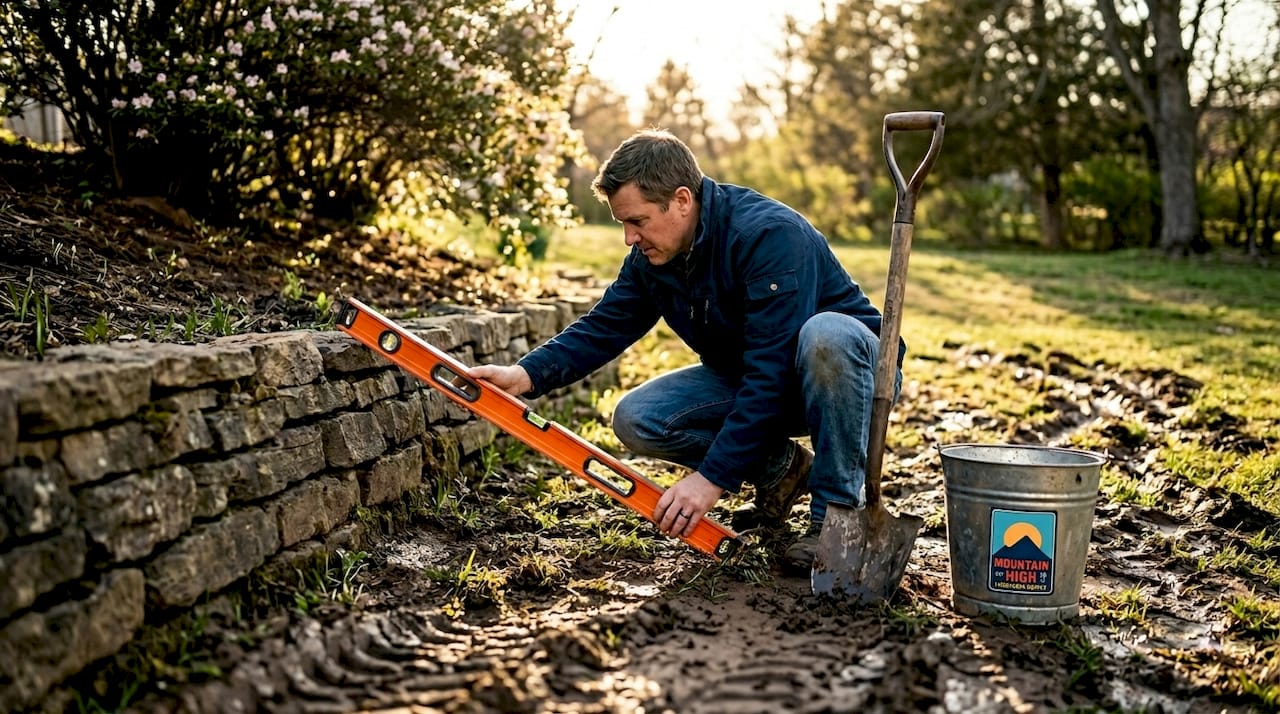
Pro Tip: Walk your yard during or immediately after the next heavy rain. Watching where water flows in real time is the fastest and most accurate way to map your drainage needs before calling in a professional. Following the yard landscaping steps outlined for Atlanta properties can also help you plan drainage alongside other landscaping improvements.
Many yards benefit from a layered approach: regrading first, then adding a French drain or swale, and finally finishing with decorative surface features like dry creek beds. Each layer handles a different part of the water journey.
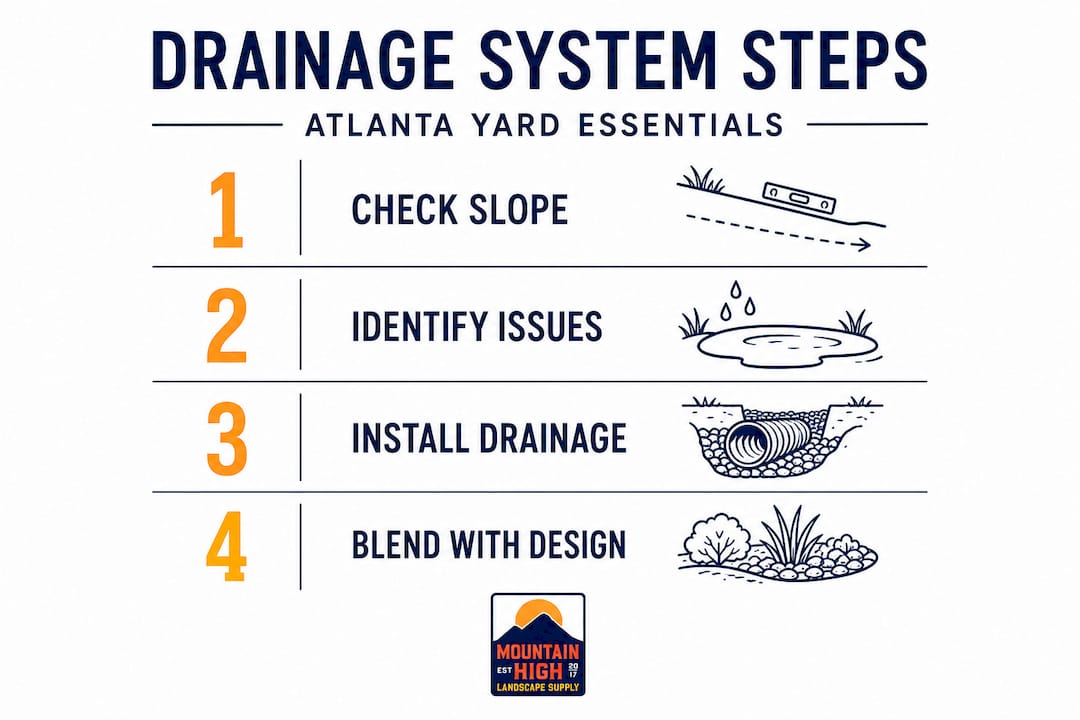
Functional drainage and attractive landscaping are not mutually exclusive. In fact, well-designed drainage features often become standout elements of a yard’s visual appeal.
Swale designs should account for expected runoff rates and take advantage of protective vegetation to reduce erosion and add color. Here are practical ways to make your drainage work for your yard’s appearance:
Staying current with Atlanta landscaping trends shows that more homeowners are requesting drainage features that double as design elements, a shift that reflects growing awareness of how water management and curb appeal can work together. Our team of Atlanta landscape design experts consistently reinforces that drainage planned from the start is far easier to make beautiful than drainage retrofitted after the fact.
“The most attractive yards in Atlanta almost always have drainage designed into the original landscape plan, not added as an afterthought.”
We work with Atlanta homeowners and property managers regularly, and we see the same costly mistakes repeat themselves. The most common one is treating drainage as a one-time fix. Conditions change. Tree roots shift soil, new construction alters water flow patterns, and years of foot traffic compact the ground in ways that redirect runoff. A drainage solution that worked perfectly three years ago may need adjustment today.
Another widespread misconception is that a correct slope is all you need. Yes, grading is foundational, but soil compaction, shade, and foot traffic mean that slope alone rarely solves the whole problem. We’ve seen yards with textbook-perfect grades that still flood because the soil beneath is too compacted to absorb water at an adequate rate.
The third mistake is cutting corners on materials. Inferior gravel clogs French drains faster. Thin plastic pipes collapse under heavy soil pressure. Cheap edging for dry creek beds shifts and lets sediment wash in. Investing in quality materials up front consistently produces better long-term results and reduces the need for costly repairs within a few seasons.
Finally, homeowners sometimes focus entirely on function and ignore form. Using dry creek beds as an example, a well-designed creek bed protects your yard from erosion AND becomes a landscape feature neighbors notice. Blending function and form pays off in both storm resilience and property value.
Improving your yard’s drainage starts with having the right materials on hand. Whether you’re tackling a French drain, a dry creek bed, or a full regrading project, the quality of your gravel, stone, mulch, and soil makes a measurable difference in how well your drainage system performs and how long it lasts.

We supply premium gravel, river rock, decorative stone, mulch, topsoil, and sand to homeowners and contractors throughout Atlanta, Marietta, Smyrna, and the surrounding metro area. Our team understands Georgia’s unique soil and rainfall conditions, so we can point you toward the right materials for your specific drainage challenge. Visit our Atlanta landscape supply page to explore your options, or review our landscape supply terminology guide if you want to shop with confidence. Pick up from our Marietta or Smyrna locations, or let us deliver directly to your project site.
Improper grading, compacted clay soils, or blocked drainage paths are the main causes of standing water in Atlanta yards. Most landscape drainage strategies rely on three steps: identifying the water source, providing a conveyance route, and ensuring a safe discharge point.
If you have persistent wet areas, especially where water seeps into basements or stays soggy well after rain, a French drain can help direct water away. Some sites require subsurface drains when there is a high water table or active seepage problems.
Minimum recommended slope is usually 2% away from buildings, but the right amount depends on your site’s soil and layout. Practical slope still varies by site constraints and soil and water conditions.
Yes, using swales with native plants, decorative gravel, and dry creek beds combines effective drainage with genuine natural beauty. Swales are vegetated channels designed to convey stormwater runoff without causing erosion, and they can be made visually appealing with the right plant and stone selections.