A well-run landscape material delivery workflow is the difference between a project that stays on schedule and one that stalls waiting for a truck that never showed up on time. At its core, this process covers everything from the moment you place an order to the moment materials land on your job site and are verified for accuracy. Getting it right requires clear communication, accurate scheduling, and a supplier relationship built on transparency.
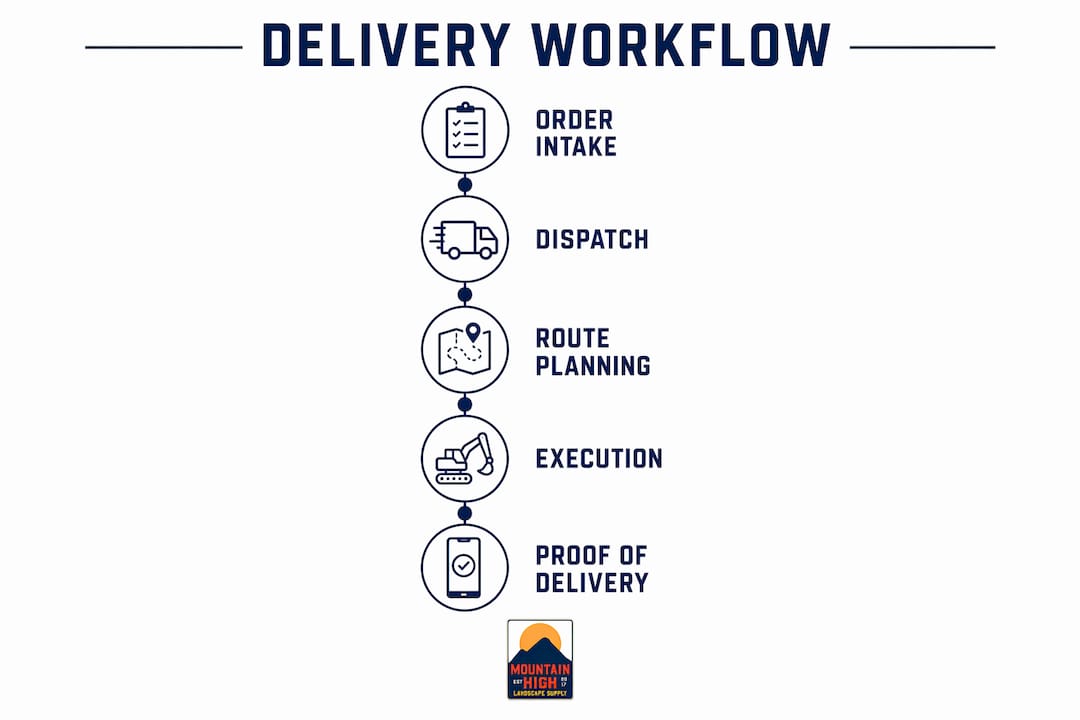
The workflow breaks down into five core stages: order intake, dispatch orchestration, route planning, real-time execution, and proof of delivery. Each stage depends on the one before it. A mistake in order intake, such as a wrong quantity or material type, cascades through every step that follows. That is why the most reliable operations treat each stage as a checkpoint, not just a task to complete.
Here is a quick reference for the five stages:
Transparency at every stage keeps projects moving. When you know exactly where your materials are and when they will arrive, you can coordinate crews, equipment, and site prep without guesswork.
Understanding your material options before you order prevents last-minute substitutions and delivery complications. Most landscape supply yards deliver materials in three forms: bulk loads transported by dump truck, bagged products on pallets, and specialty items requiring flat-bed or enclosed transport.
The most commonly delivered materials include:
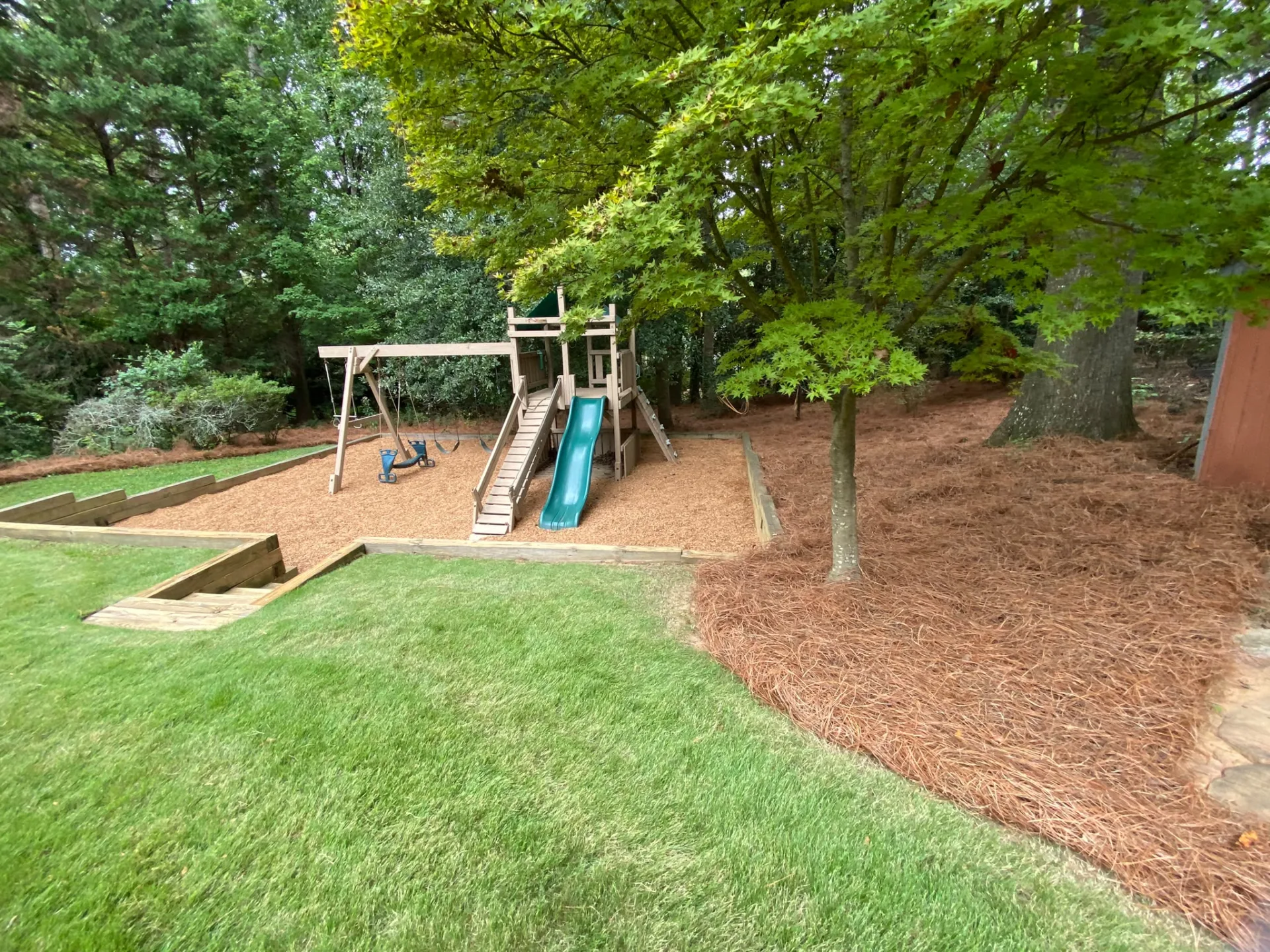
Bulk deliveries are the most cost-effective option for large projects, but they require adequate site access and a designated drop zone. Palletized goods offer more precision for smaller jobs or tight sites where a dump truck cannot maneuver safely.
Material selection shapes every downstream decision in your delivery process. Choose wrong, and you face returns, reorders, and schedule gaps that cost more than the materials themselves.
Start with your project’s functional requirements. A drainage correction project calls for angular gravel or coarse sand, not decorative pea gravel. A lawn installation needs organic screened topsoil blended for root development, not fill dirt. Climate compatibility matters too, particularly for sod varieties in the Atlanta metro, where heat tolerance and drought resistance vary significantly between species.
Key factors to evaluate before placing your order:
Pro Tip: Request a material sample before ordering large quantities of decorative stone or colored mulch. Color and texture vary between batches, and a sample prevents a costly mismatch on a high-visibility project.
Working with a local supplier who carries consistent inventory, like Mountainhighmulch in the Atlanta metro, reduces the risk of mid-project substitutions. Local sourcing also shortens lead times and gives you a direct contact when questions arise.
Delivery costs are predictable when you know what to ask for upfront. The problem is that many buyers focus only on the material price and overlook the fees that accumulate before the truck reaches the site.
The main cost components in any delivery include:
Efficient supply chains rely on negotiated pricing, reliable delivery terms, and contingency planning with suppliers. If you are managing multiple deliveries across a project, ask about volume discounts and consolidated scheduling. Combining two smaller loads into one trip reduces your per-unit delivery cost and cuts the number of site disruptions.
Always request a written quote that itemizes every fee before confirming an order. A quote that bundles material and delivery into a single line item makes it impossible to verify accuracy or compare pricing across suppliers. Clear documentation protects both parties and prevents disputes at invoicing.
The most common failure point in material logistics for landscaping is the gap between quoting and dispatch. When these two steps live in separate systems, or worse, on paper, errors multiply. Integrating quoting, inventory, and dispatch into a single platform eliminates manual handoffs and gives everyone involved real-time visibility into order status.
Schedule each delivery to arrive when the crew is ready to use the material, not before. Mulch delivered three days before the planting crew arrives sits in the driveway, blocks access, and may degrade in wet weather. Sod delivered before the soil prep is complete is a waste of money. Build your delivery schedule backward from each installation phase, and confirm dates with your supplier at least 48 hours in advance.
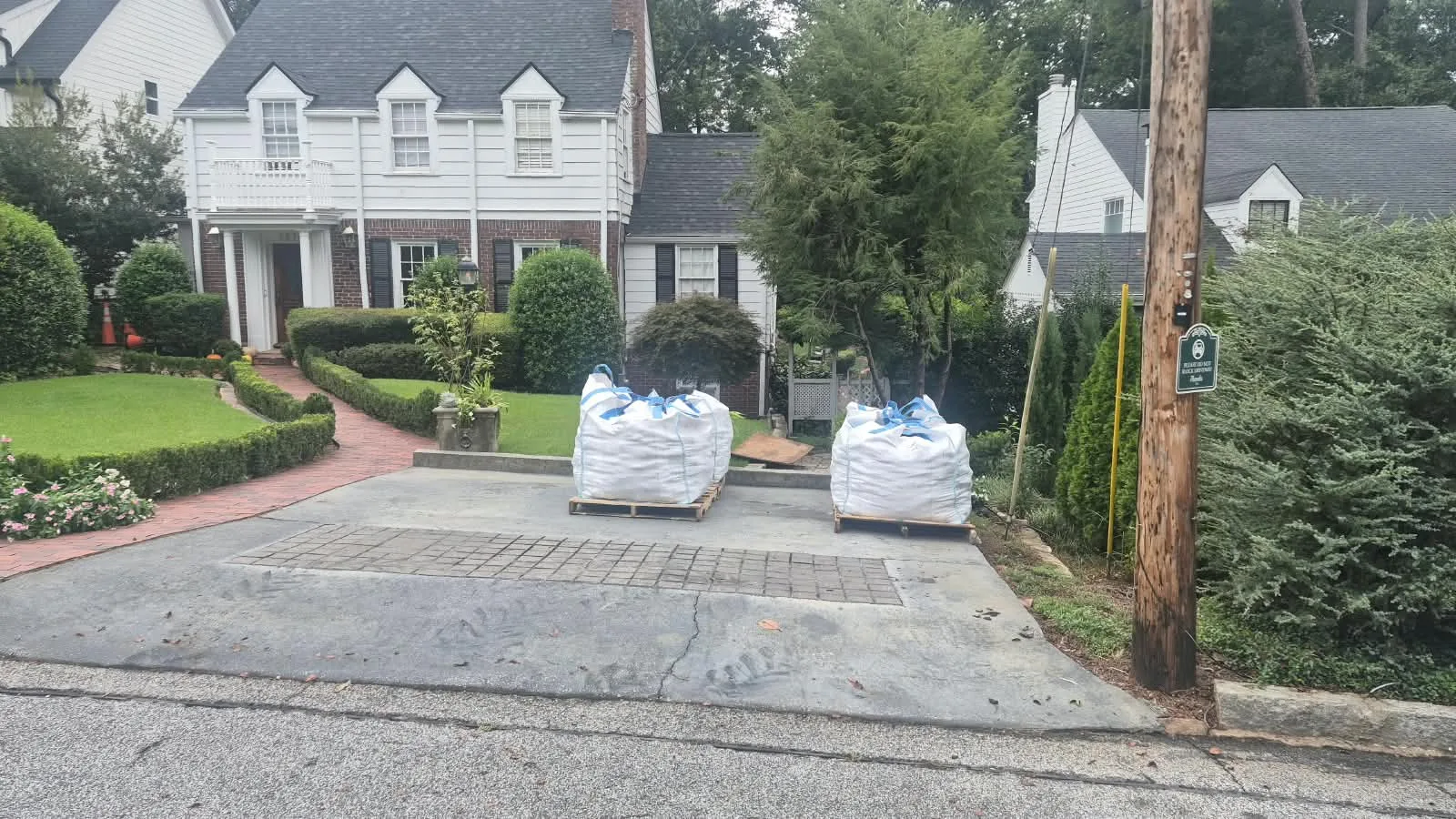
Site readiness is one of the most overlooked steps in the process. Clearing debris and creating containment borders before the delivery truck arrives prevents material spread, protects adjacent surfaces, and speeds up unloading. Confirm that the access route can support the weight of a loaded dump truck. Soft ground, low-hanging branches, and narrow gates are the three most common reasons a delivery gets aborted on arrival.
Delivery management software centralizes order booking, driver assignment, route optimization, real-time tracking, and proof of delivery into one system. Route optimization alone cuts fuel expenses by 10–15%, and end-to-end automation reduces the manual errors that cause wrong quantities and missed delivery windows. For contractors managing multiple job sites, live GPS tracking means you can redirect a driver or adjust a drop sequence without a phone call.
Online ordering portals with automated confirmations reduce manual entry errors and give contractors 24/7 access to place and track orders. This is particularly valuable during peak season when supplier staff are handling high call volumes.
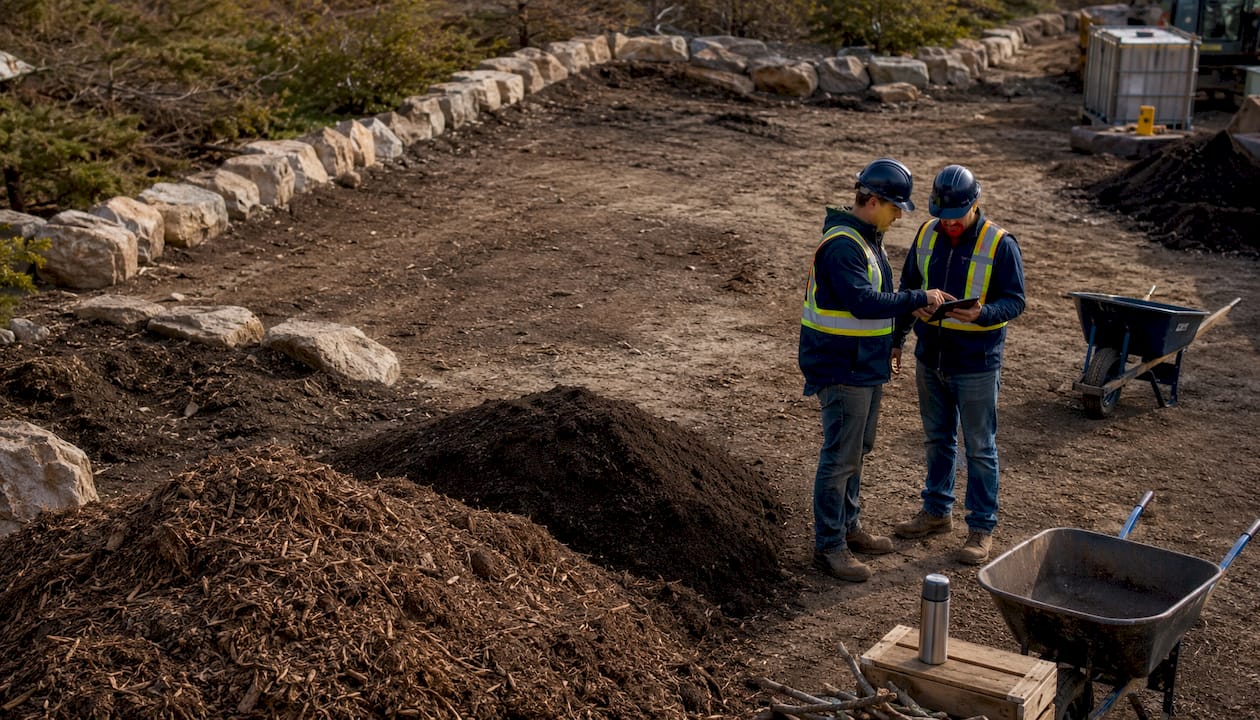
Do not sign off on a delivery until you have physically checked the material type, quantity, and condition. Photograph the load before unloading begins. Compare the delivery ticket against your original order confirmation. If quantities are short or the material does not match the spec, document it immediately and contact the supplier before the driver leaves the site. Resolving discrepancies on the spot is far easier than disputing them after the fact.
Best practices summary:
Pro Tip: For large projects with multiple material types, stagger your deliveries by phase rather than ordering everything at once. This keeps the site organized, reduces material damage from weather exposure, and makes it easier to verify each load accurately.
Tracking project-related expenses alongside delivery schedules helps you stay within budget and catch billing errors early. A clear expense-to-project allocation process ties each delivery cost to the correct job, which matters at invoicing and when reviewing project profitability.

Mountainhighmulch serves Atlanta, Marietta, Smyrna, and the surrounding metro area with premium bulk and bagged landscape materials, including mulch, topsoil, sand, gravel, stone, and sod. Our team coordinates reliable Atlanta deliveries with the accuracy and communication your project depends on. Whether you are a homeowner planning a weekend project or a contractor managing a full installation schedule, we are ready to help you get the right materials to the right place at the right time.
Explore our full product range, including bagged mulch options and our complete soil, sand, and dirt catalog, or contact our team directly to get a clear, itemized quote for your next delivery.
A well-coordinated landscape material delivery workflow requires accurate order intake, phase-aligned scheduling, site preparation, and verified proof of delivery at every stop.
| Point | Details |
|---|---|
| Five core workflow stages | Order intake, dispatch, route planning, real-time execution, and proof of delivery form the complete process. |
| Integrate systems to cut errors | Connecting quoting, inventory, and dispatch in one platform eliminates the manual handoffs that cause delays. |
| Route optimization saves fuel | AI-powered routing reduces fuel expenses significantly and lowers the risk of missed delivery windows. |
| Site prep prevents aborted deliveries | Clear access routes, containment borders, and a designated drop zone are required before the truck arrives. |
| Verify on arrival, not after | Photograph the load, check quantities against the order confirmation, and resolve discrepancies before the driver leaves. |
The standard sequence runs from site assessment and design through grading, drainage, hardscape installation, planting, and finally surface materials like mulch or sod. Deliveries should be scheduled to arrive at each phase, not all at once.
Clear the drop zone of debris, confirm the access route can support a loaded truck, and have a site contact available to receive and verify the load. Containment borders prevent material spread and protect adjacent surfaces during unloading.
The rule of three refers to grouping plants, stones, or design elements in odd numbers, typically three, to create visual balance. It is a design principle, not a delivery or logistics guideline, but it does affect how you calculate material quantities for planting beds and borders.
The five steps are order intake, dispatch orchestration, route planning, real-time execution, and proof of delivery. Each step depends on accurate information from the one before it, so documentation and communication at every stage are critical.
Photograph the load before unloading, compare the delivery ticket to your original order confirmation, and check material type and condition visually. Resolve any discrepancy with the driver and supplier contact before signing off on the delivery.