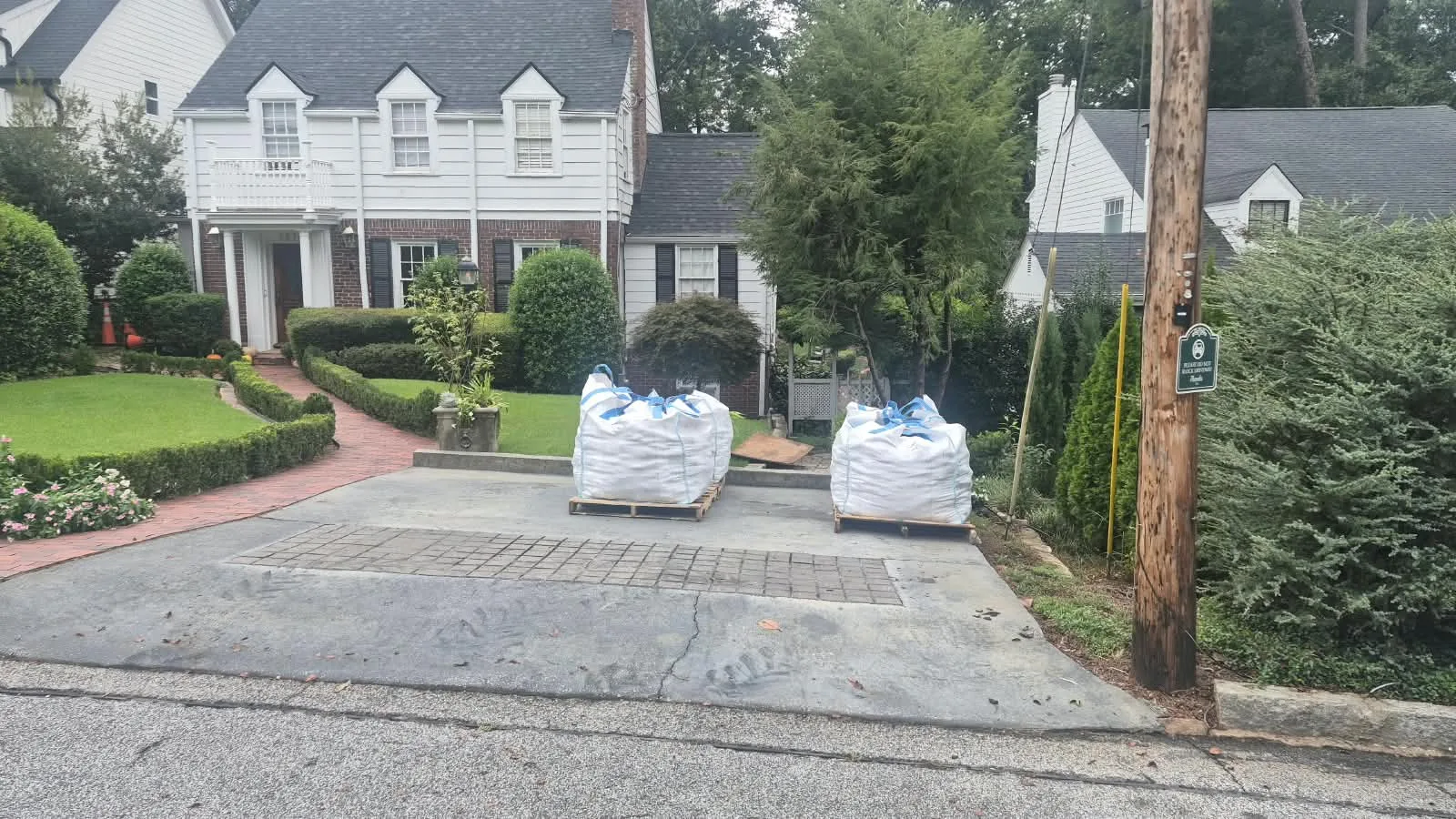
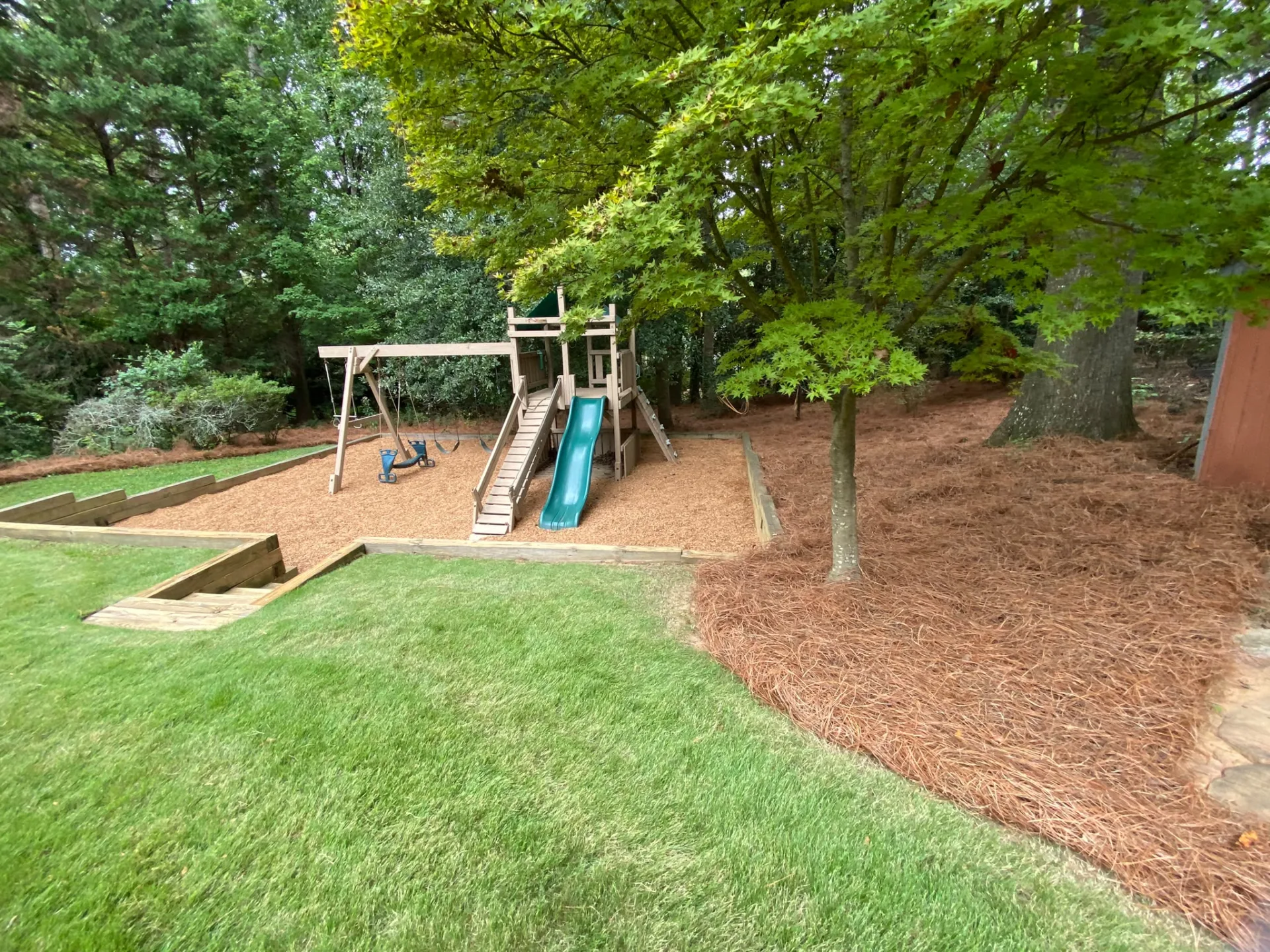
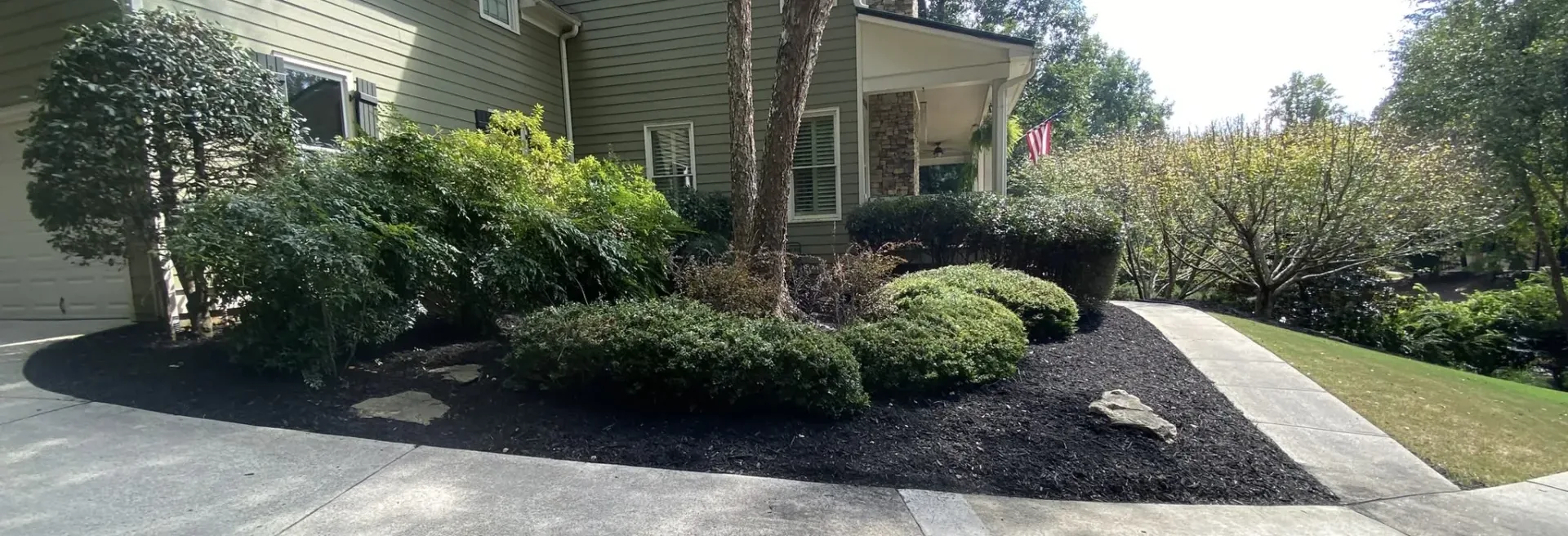
Choosing the right materials for your Atlanta landscape project can feel overwhelming when faced with unfamiliar terminology. You might wonder whether you need hardscape or softscape, what grading actually means, or which mulch type works best for Georgia’s climate. Understanding these terms isn’t just about sounding knowledgeable; it directly impacts your project’s success, budget accuracy, and long-term maintenance requirements. This guide breaks down essential landscape supply terminology into clear classifications, helping both homeowners and professional landscapers communicate effectively and make informed decisions for outdoor projects throughout the Greater Atlanta area.
| Point | Details |
|---|---|
| Classification framework | Understanding site context, service phase, and material type helps organize landscape terminology systematically |
| Hardscape vs softscape | These material distinctions affect budgeting, tax treatment, and maintenance planning for your project |
| Site preparation terms | Grading regulations and plant material vocabulary are essential for compliance and project success |
| Mulch terminology | Knowing mulch types and application practices maximizes garden health in Georgia’s climate |
Landscaping terminology is structured around three foundational classification axes: site context, service phase, and material type. This framework helps you navigate conversations with suppliers, contractors, and designers by providing a common language that eliminates confusion and ensures everyone understands project requirements.
Site context refers to where the landscaping work occurs. Residential projects involve single-family homes and private properties. Commercial sites include office parks, retail centers, and business campuses. Municipal work covers public parks, streetscapes, and government facilities. HOA projects address community common areas and neighborhood entrances. Each context brings different scale requirements, budget considerations, and regulatory standards.
Service phase describes when specific terminology applies during your project timeline. Design phase terms include concepts like hardscape layout, plant selection, and drainage planning. Installation phase vocabulary covers grading, soil amendment, and material placement. Maintenance phase language addresses ongoing care like mulch refreshing, pruning schedules, and fertilization programs. Understanding which phase you’re discussing prevents miscommunication about timing and deliverables.
Material type divides landscape elements into two primary categories. Softscape includes living components like plants, trees, shrubs, and organic materials such as mulch and topsoil. Hardscape encompasses non-living structures like patios, retaining walls, walkways, and decorative stone. This distinction matters because these categories have different installation methods, maintenance needs, and cost structures.
| Classification Axis | Examples | Project Impact |
|---|---|---|
| Site Context | Residential, Commercial, Municipal, HOA | Determines scale, permits, budget range |
| Service Phase | Design, Installation, Maintenance | Defines timeline, contractor roles, material needs |
| Material Type | Softscape (plants, mulch), Hardscape (stone, pavers) | Affects costs, tax treatment, longevity |

Pro Tip: Before contacting suppliers or contractors, identify your project’s classification across all three axes to communicate requirements efficiently and receive accurate quotes.
The hardscape and softscape division represents the most fundamental split in landscape terminology. Hardscape elements are capital improvements with depreciation schedules, while softscape elements typically count as maintenance expenses. This distinction carries significant weight for commercial property owners managing budgets and homeowners planning major renovations.
Hardscape includes permanent or semi-permanent structures built from materials like concrete, brick, stone, and metal. Patios provide outdoor living spaces. Retaining walls manage slopes and create level planting areas. Driveways and walkways offer functional pathways. Decorative elements like fountains, fire pits, and outdoor kitchens add aesthetic and practical value. These installations require skilled labor, often need permits, and represent substantial upfront investments that increase property value over time.
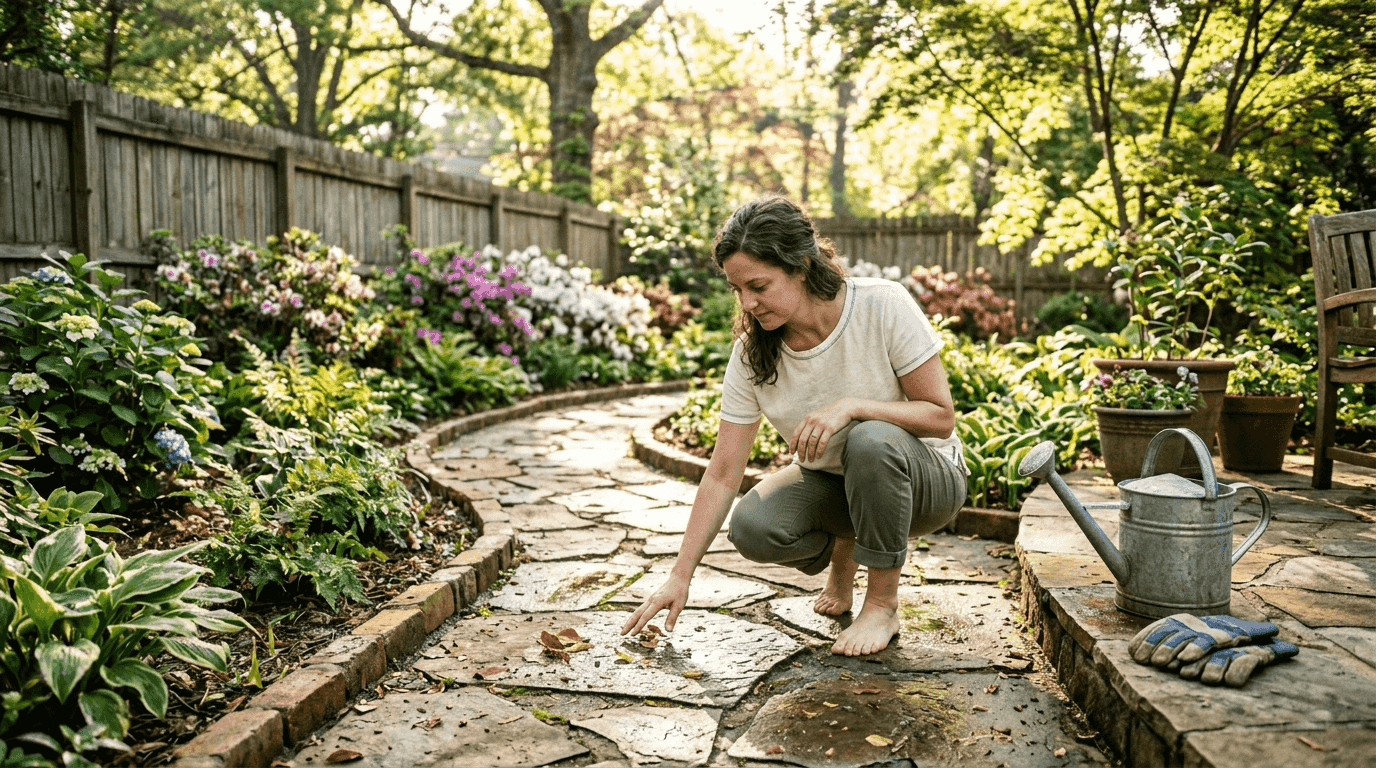
Softscape encompasses the living, growing elements of your landscape. Trees provide shade and visual interest. Shrubs create privacy screens and foundation plantings. Perennial and annual flowers add seasonal color. Ground covers prevent erosion and reduce maintenance. Organic materials like premium organic top soil, mulch, and compost support plant health. These components require ongoing care, periodic replacement, and regular maintenance to thrive.
| Feature | Hardscape | Softscape |
|---|---|---|
| Lifespan | 15-50+ years | 1-30+ years depending on plant type |
| Initial Cost | Higher per square foot | Lower per square foot |
| Maintenance | Minimal; occasional cleaning/repairs | Regular watering, pruning, replacement |
| Tax Treatment | Capital improvement (commercial) | Operating expense (commercial) |
| Climate Impact | Heat absorption, runoff creation | Cooling effect, water absorption |
For commercial properties, this classification affects how you report expenses and depreciate assets. Consult your tax advisor before categorizing large landscape investments. Residential projects benefit from understanding these distinctions when planning budgets and prioritizing improvements. A balanced landscape incorporates both categories, using rock and gravel products for drainage and visual contrast alongside thriving plant beds.
Understanding hardscape versus softscape terminology prevents costly misunderstandings during project planning and helps you communicate effectively with landscape professionals about your vision, budget constraints, and long-term maintenance expectations.
Pro Tip: When planning your landscape budget, allocate roughly 40% to hardscape features and 60% to softscape elements for a balanced, functional outdoor space that maintains visual appeal year-round.
Site preparation terminology becomes critical when your project involves earth moving or significant plantings. Grading refers to reshaping land to achieve proper drainage, create level areas, or establish slopes. Grading work above 1 acre triggers stormwater obligations under EPA regulations, requiring permits and compliance plans. Even smaller residential projects benefit from proper grading to prevent water pooling near foundations or creating erosion problems.
Cut and fill describes the grading process. Cut removes soil from high areas. Fill adds soil to low spots. Balancing cut and fill on-site reduces material hauling costs and environmental impact. Rough grading establishes major contours and drainage patterns. Finish grading creates the final surface ready for planting or hardscape installation. Understanding these distinctions helps you discuss project scope accurately with contractors.
Topsoil quality matters tremendously for plant success. Screened topsoil has rocks and debris removed, providing a uniform planting medium. Amended topsoil includes compost or other organic matter to improve fertility and structure. Native soil refers to existing earth on your property, which may or may not support healthy plant growth without improvement. Testing soil pH and nutrient levels before major plantings prevents disappointing results and wasted investment.
Plant material terminology helps you select appropriate species for your Atlanta landscape. Perennial plants offer over 3600 species and return year after year when matched to suitable growing conditions. Annuals complete their lifecycle in one season, providing intense color but requiring yearly replacement. Native plants evolved in Georgia’s climate, offering drought tolerance and wildlife benefits. Ornamental varieties provide specific aesthetic qualities like unusual foliage color or extended bloom periods.
Key site preparation and plant material terms include:
Pine straw mulch serves as both a softscape material and erosion control method on Georgia slopes. Understanding how different shredded mulch varieties interact with soil and plants helps you make informed selections for specific landscape zones.
Pro Tip: Always verify whether your grading project requires permits before starting work to avoid costly delays, fines, and potential requirements to restore disturbed areas if you proceed without proper authorization.
Mulch vocabulary extends beyond simple color choices. Shredded mulch consists of processed wood chips in various sizes, offering good coverage and moderate longevity. Bark nuggets are larger pieces that resist washing away on slopes but decompose slower than shredded varieties. Pine straw uses fallen pine needles, providing excellent insulation and natural appearance in woodland settings. Dyed mulches use colorants to maintain consistent appearance longer than natural wood tones.
Organic mulches decompose over time, adding nutrients to soil but requiring periodic replacement. Inorganic mulches like rubber or stone last indefinitely but provide no soil improvement. Double-shredded mulch has finer texture, staying in place better on slopes and around delicate plants. Hardwood mulch comes from deciduous trees, offering rich color and moderate decomposition rate. Pine bark mulch resists compaction and maintains air circulation around plant roots.
Mulch reduces weed growth by up to 90% and water evaporation by 25 to 50% with proper application. Georgia’s hot summers make moisture retention particularly valuable. Mulch also moderates soil temperature, protecting roots from extreme heat and winter cold. Decomposing organic mulch gradually improves soil structure and fertility, reducing fertilizer requirements over time.
Best practices for mulch application in Georgia:
Comparing common mulch types for Atlanta landscapes:
Understanding mulch selection criteria helps you balance aesthetics, budget, and maintenance requirements. Proper mulch application timing maximizes benefits while minimizing labor. Professional mulch delivery and installation services ensure proper depth and coverage for optimal results.
Pro Tip: Refresh mulch annually each spring to maintain its weed suppression effectiveness and visual appeal, adding just 1 inch of new material over settled older layers rather than completely replacing existing mulch.
Now that you understand landscape supply terminology, you can confidently discuss your project needs with suppliers and contractors. Mountain High Landscape and Hardscape Supply offers comprehensive selections of both hardscape and softscape materials at our convenient Marietta location serving Atlanta, Smyrna, and surrounding communities. Our organized yards make it easy to compare premium organic top soil, river sand, long needle pine straw, and various mulch options in person.

Whether you’re a homeowner tackling a weekend project or a professional landscaper managing multiple job sites, our expert team helps you select the right materials for your specific application. We offer flexible pickup options from both Marietta and Smyrna locations, plus reliable delivery service throughout metro Atlanta. Professional installation services are available when you need experienced crews to handle the heavy work. Visit us today to see why Georgia homeowners and contractors trust Mountain High for quality landscape supplies and world-class service.
Hardscape includes permanent structures like patios, walls, and walkways made from stone, concrete, or pavers. Softscape covers living plants, trees, shrubs, and organic materials like mulch and topsoil. This distinction affects your project budget, maintenance requirements, and for commercial properties, how you classify expenses for tax purposes.
Grading work above 1 acre requires compliance with EPA stormwater management permits and erosion control plans. Even smaller residential projects may need local permits depending on your municipality. Always check requirements before starting earth-moving work to avoid fines, project delays, and potential restoration orders.
Apply mulch at 2 to 3 inch depth for optimal weed suppression and moisture retention in Georgia’s climate. Shallower applications allow weed breakthrough, while deeper layers can suffocate plant roots and create drainage problems. Adjust slightly based on mulch type, with finer shredded varieties needing less depth than coarse nuggets.
Perennials offer diverse species that return year after year, providing long-term value and reducing replacement costs compared to annuals. Selecting varieties suited to your site’s sun exposure, soil type, and moisture conditions ensures healthy plants with minimal maintenance. Native perennials adapted to Georgia’s climate offer particular resilience and support local wildlife.
Screened topsoil has been processed to remove rocks, roots, and debris larger than a specified size, creating uniform planting medium. Use screened topsoil for garden beds, lawn installation, and container plantings where consistent texture matters. Unscreened topsoil costs less and works fine for rough grading or filling large areas where debris won’t interfere with plant establishment.