Most Atlanta homeowners are surprised to learn that the average landscaping project in the metro area costs around $6,500, with some projects reaching $18,000 or more. That gap between low and high estimates often comes down to one thing: the quality of your materials and the expertise behind your choices. Picking up the wrong mulch, the wrong sod, or the wrong gravel from a supplier who doesn’t understand Atlanta’s soil and climate can cost you far more in rework than you’d ever save upfront. This article walks you through everything you need to know about finding the right landscape supplies near you, budgeting accurately, and making smart decisions from the start.
Not all landscape materials are created equal, and in Atlanta, that truth hits harder than most places. The region’s clay-heavy soil, humid summers, and mild winters create specific demands that generic big-box supplies often fail to meet. Knowing which materials work here, and why, is the first step toward a project that actually holds up.
Here are the core supplies used in most Atlanta landscape projects:
Material costs vary significantly. Sod installation runs $1.30 to $2.50 per square foot installed, with Bermuda sod material alone costing $0.65 to $0.85 per square foot. Retaining walls range from $40 to $300 per linear foot depending on height and material. Understanding these ranges helps you plan for top Georgia yard projects without sticker shock.
| Material | Typical use | Cost range |
|---|---|---|
| Pine straw | Mulching beds | $6-$12 per bale |
| Bermuda sod | Lawn installation | $0.65-$1.15/sq ft (material) |
| River sand | Drainage, leveling | $80-$105 per ton |
| Pea gravel | Pathways, drainage | $115-$135 per ton |
| Retaining wall block | Slope management | $40-$300/linear ft |
Choosing between hardscape vs softscape materials also shapes your total budget and long-term maintenance needs. A well-balanced mix of both typically delivers the best results for Atlanta yards.
Pro Tip: When selecting sod, ask your supplier specifically about the cultivar’s drought tolerance rating. Atlanta summers can be brutal, and not all Bermuda or Zoysia varieties perform equally under heat stress.
With supply options in mind, it’s vital you know what your landscape project might actually cost, with no surprises.
Budgeting for a landscape project in Atlanta requires more than a rough estimate. Material costs, labor, permits, and site conditions all play a role. The average project costs $6,500 but can swing dramatically based on scope. Here is a practical comparison of common project costs:
| Project type | Low estimate | High estimate |
|---|---|---|
| Sod installation | $1.00/sq ft | $3.00/sq ft installed |
| Retaining wall (2 ft) | $40/linear ft | $120/linear ft |
| Mulch installation | $75 per yard installed | $200 per yard installed |
| Gravel pathway | $10/sq ft | $30/sq ft |
| Full lawn renovation | $3,000 | $18,000+ |
Several factors push costs higher than expected. Slope and drainage issues require more material and labor. Soil amendments add cost when clay content is high. Permit fees apply in certain situations. And labor rates in the Atlanta metro have risen alongside demand in 2026.
Here are the steps we recommend for building a realistic budget:
Staying current with 2026 Atlanta landscaping trends can also help you prioritize where to invest for the best return. Following smart yard maintenance tips year-round reduces the cost of major repairs down the road.
Beyond costs and supplies, expert knowledge about local rules and climate is crucial for a successful project.
Atlanta has specific regulations that catch many homeowners off guard. Knowing them before you start protects your project timeline and your wallet.
Pro Tip: Atlanta’s tree ordinances require permits for removing any tree with a trunk diameter greater than 6 inches. Many homeowners skip this step and face fines that dwarf the cost of the permit itself. Always check with your local municipality before clearing trees.
Here are the key regulatory and climate factors that affect Atlanta landscape projects:
“Choosing warm-season grasses and eco-friendly materials isn’t just a trend in Atlanta, it’s a practical response to the region’s climate and evolving landscaping standards.”
For mulching, pine straw for Atlanta gardens is one of the most climate-appropriate choices available. It insulates roots, repels pests naturally, and stays in place on slopes far better than shredded wood mulch. Eco-friendly electric equipment is also gaining traction as contractors and homeowners shift away from gas-powered tools, a shift that aligns with Atlanta’s broader sustainability goals covered in 2026 Atlanta landscaping trends.
With expert knowledge and cost clarity, here’s how to find the best local suppliers and expert help for your Atlanta landscape needs.
Searching “landscape supply near me” returns a long list of options. But not every supplier is equal, and choosing the wrong one can mean inferior materials, poor advice, and costly project delays. Here is how to evaluate your options with confidence.
Steps to identify a trusted local landscape supplier:
Here are the qualities that separate a great local supplier from an average one:
Landscape supply selection in Atlanta should balance cost, quality, proximity, and local expertise. Cutting corners on any one of those factors tends to show up in the finished project.
Pro Tip: Before placing a bulk order, visit the yard in person and inspect the material. Good topsoil should be dark, loose, and free of debris. Mulch should smell earthy, not sour. Sour-smelling mulch is still fermenting and can damage plant roots.
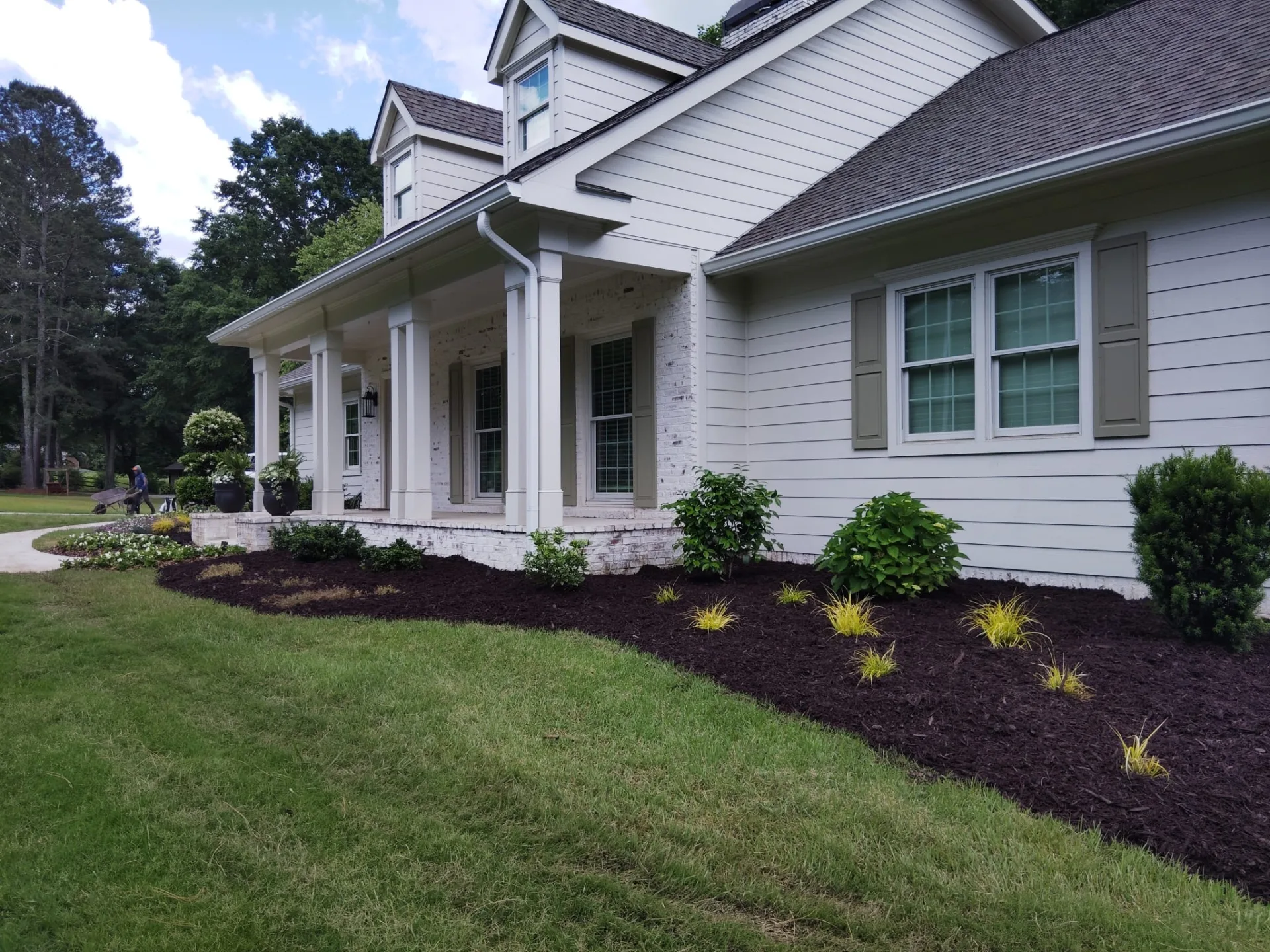
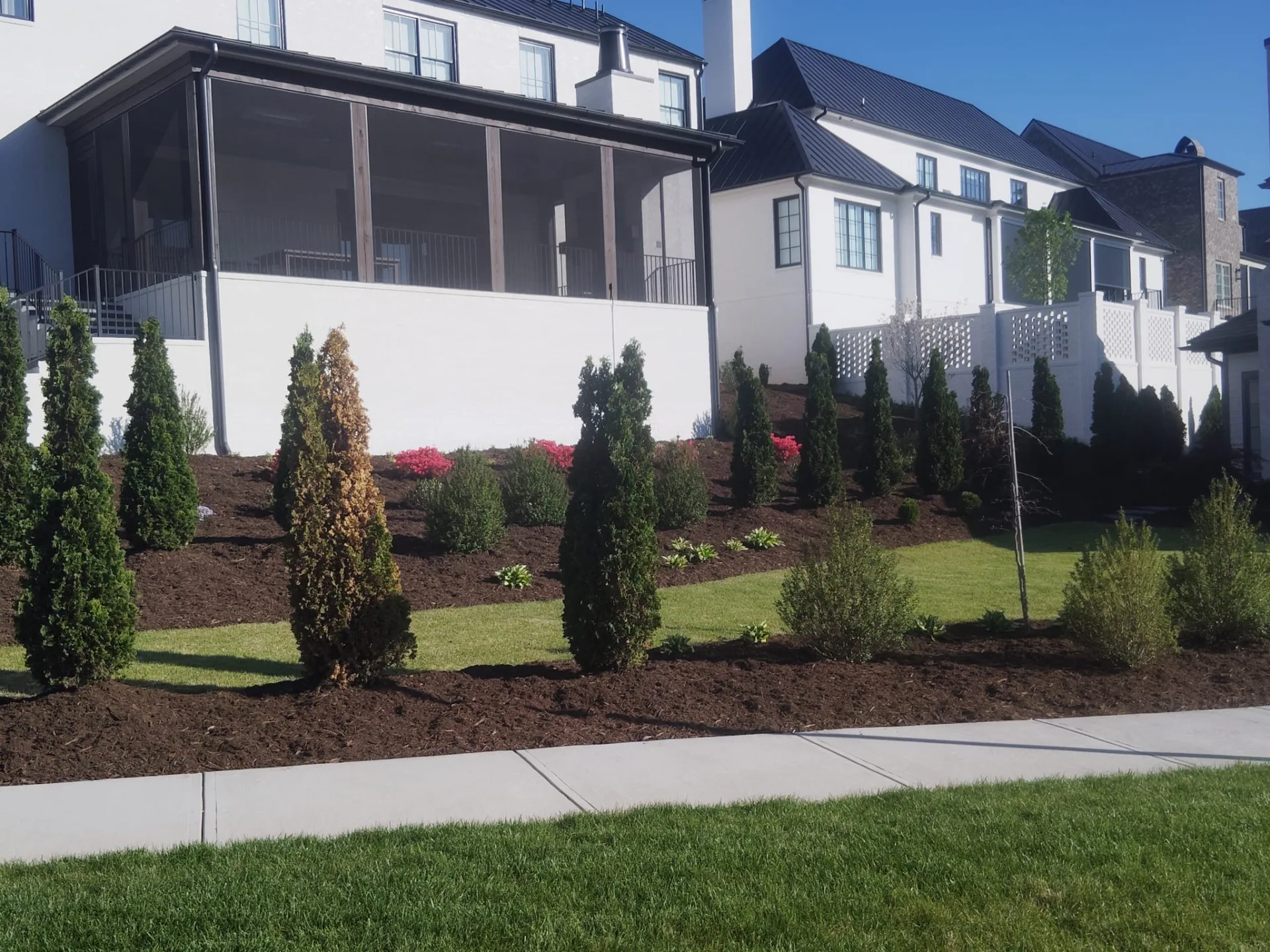
Looking at real landscape partner projects gives you a clear sense of what quality materials and expert planning can produce in actual Atlanta yards.
We hear it often: homeowners assume that big-box stores and online suppliers offer the same value as a local yard, just with more convenience. We respectfully disagree, and here’s why.
Local suppliers know Atlanta’s soil. They know that red clay drains poorly and needs amendment. They know which sod cultivars survive a Marietta summer without irrigation. They know that pine straw from Georgia long-needle pines performs differently than imported alternatives. That knowledge doesn’t come from a product label. It comes from years of working in this specific region.
Local suppliers provide tailored advice and superior material matching for Atlanta’s climate, something a national chain simply cannot replicate at scale. Convenience is real, but it’s overrated when a wrong material choice costs you an entire season’s work.
Building a relationship with a trusted local yard also pays off over time. Repeat customers often get priority scheduling, volume discounts, and early access to seasonal materials like bulk landscape materials that sell out quickly. Think of your supplier as a long-term partner, not just a transaction.
Ready to upgrade your landscape? Here’s where to find the supplies and advice that make your project shine.
At Mountain High Mulch, we serve Atlanta homeowners and professional contractors from our supply yards in Marietta and Smyrna. Our team is ready to help you select the right materials for your specific project, whether that’s premium mulch, quality topsoil, river sand, pea gravel, or fresh sod. We keep our yards clean, organized, and fully stocked so you can inspect materials before you buy.

Not sure where to start? Our experts can walk you through landscape terminology for Atlanta projects and help you build a material list that fits your budget and timeline. Pick up in Marietta or Smyrna, or let us deliver directly to your site across the Atlanta metro. We also offer professional installation for homeowners who want the job done right from day one.
Pine straw and Bermuda sod are the most affordable and effective materials, fitting Atlanta’s climate and budget. Bermuda sod material runs $0.65 to $0.85 per square foot, making it one of the lowest-cost sod options available.
Atlanta requires permits to remove trees larger than 6 inches in diameter, which affects both your project timeline and budget. Skipping this step can result in fines that far exceed the permit cost.
Atlanta landscape projects range from $3,000 to $18,000, with an average cost of $6,500 depending on scope, materials, and labor.
Look for local suppliers with strong reviews, knowledgeable staff, and a wide selection of materials suited to Atlanta’s climate and soil conditions. A supplier who asks about your project before recommending products is a strong sign of genuine expertise.
Yes, electric equipment and sustainable materials are increasingly available at local supply yards across the Atlanta metro. This shift aligns with both environmental goals and Atlanta’s evolving landscaping standards.