
Marietta · Mon–Fri 7 AM – 5 PM · Sat 7 AM – 3 PM · Sun Closed
If you’ve driven around Marietta, Kennesaw, or anywhere in Cobb County lately, you’ve probably noticed more and more yards trading in mulch beds for smooth, natural river rock. There’s a reason for that. River rock is one of those materials that just works — it looks good year-round, it doesn’t break down or wash away like mulch does, and once it’s in, it’s basically maintenance-free. Here at Mountain High Landscape Supply in Marietta, it’s one of the most popular materials we sell, and customers are always surprised by how many ways there are to use it.
If you’re weighing river rock for an upcoming project, here’s what you need to know — including why it’s such a smart choice for our Georgia clay and our humid summers.
River rock is naturally rounded, smooth stone that’s been shaped over time by moving water. Because the edges are worn down rather than sharp or angular, it has a soft, organic look that pairs well with just about any style of home, from a craftsman bungalow in East Cobb to a modern build in Vinings. It typically comes in a range of sizes — from small pea-gravel-sized pieces up to larger cobblestones — and in earthy tones of gray, tan, brown, and rust that blend naturally into a Georgia landscape.
Unlike crushed granite or lava rock, river rock’s rounded shape means it’s comfortable to walk on barefoot and won’t shred like mulch tends to over a hot Atlanta summer.
Anyone who’s landscaped in Cobb County knows the drill: you spend a Saturday spreading fresh mulch, and by August it’s faded, compacted, and half of it has washed into the driveway after a good thunderstorm. River rock doesn’t fade in the sun, doesn’t decompose, and won’t float away in a heavy downpour the way loose mulch can. You’re looking at a one-time investment that holds its color and shape for years.
Between our red clay soil and our tendency for sudden, heavy rain, drainage issues are one of the most common headaches we hear about from customers. River rock is naturally porous, which makes it excellent for helping water move through problem areas instead of pooling on top of your lawn or against your foundation. It’s a go-to material for dry creek beds, drainage swales, and French drain coverage.
Laid over quality landscape fabric, river rock does a great job blocking weeds from getting the sunlight they need to grow. No more spending your Saturday mornings pulling weeds out of a mulch bed — just an occasional rinse or leaf blow to keep it looking fresh.
Dry creek beds. This is probably the single most popular use we see. A dry creek bed uses river rock (often mixed sizes, with a few larger accent stones) to mimic a natural stream bed, and it’s both a beautiful landscaping feature and a functional way to redirect water runoff away from your house.
Foundation and mulch bed borders. Swapping mulch for river rock around your home’s foundation keeps moisture away from your siding and crawl space while giving your beds a clean, finished look that won’t need refreshing every spring.
Ground cover for planting beds. River rock makes a great low-maintenance backdrop for drought-tolerant plants, ornamental grasses, and succulents — a look that’s becoming really popular in xeriscaped and native Georgia plant beds.
Pathways and walkways. Larger river rock, sometimes paired with stepping stones or pavers, creates an inviting, natural-looking path through the garden or side yard.
Around water features and fire pits. Because it’s non-flammable and holds up well near moisture, river rock is a natural fit for surrounding a fire pit, pond, or fountain.
Driveway and parking accents. Larger river rock or cobblestone can edge a driveway or fill in gaps around a paver parking pad for a polished, high-end finish.
As for color, most Metro Atlanta homes pair beautifully with warm gray, tan, and earth-toned river rock, since it complements our red clay soil and green landscaping rather than fighting against it. If you’re not sure what will look best against your home’s brick or siding, bring a photo by our Marietta yard and we’re happy to help you figure it out.
At Mountain High Landscape Supply, we stock a wide selection of river rock and cobblestone in various sizes and colors, ready for pickup or delivery throughout Marietta, Kennesaw, Roswell, Woodstock, and the greater Metro Atlanta area. Whether you’re tackling a small foundation bed or a full backyard drainage overhaul, our team can help you figure out how many tons you’ll need and which size will work best for your project.
Stop by our Marietta yard, give us a call, or reach out online to get started — we’re always happy to talk through your project, even if you’re just in the planning stages.
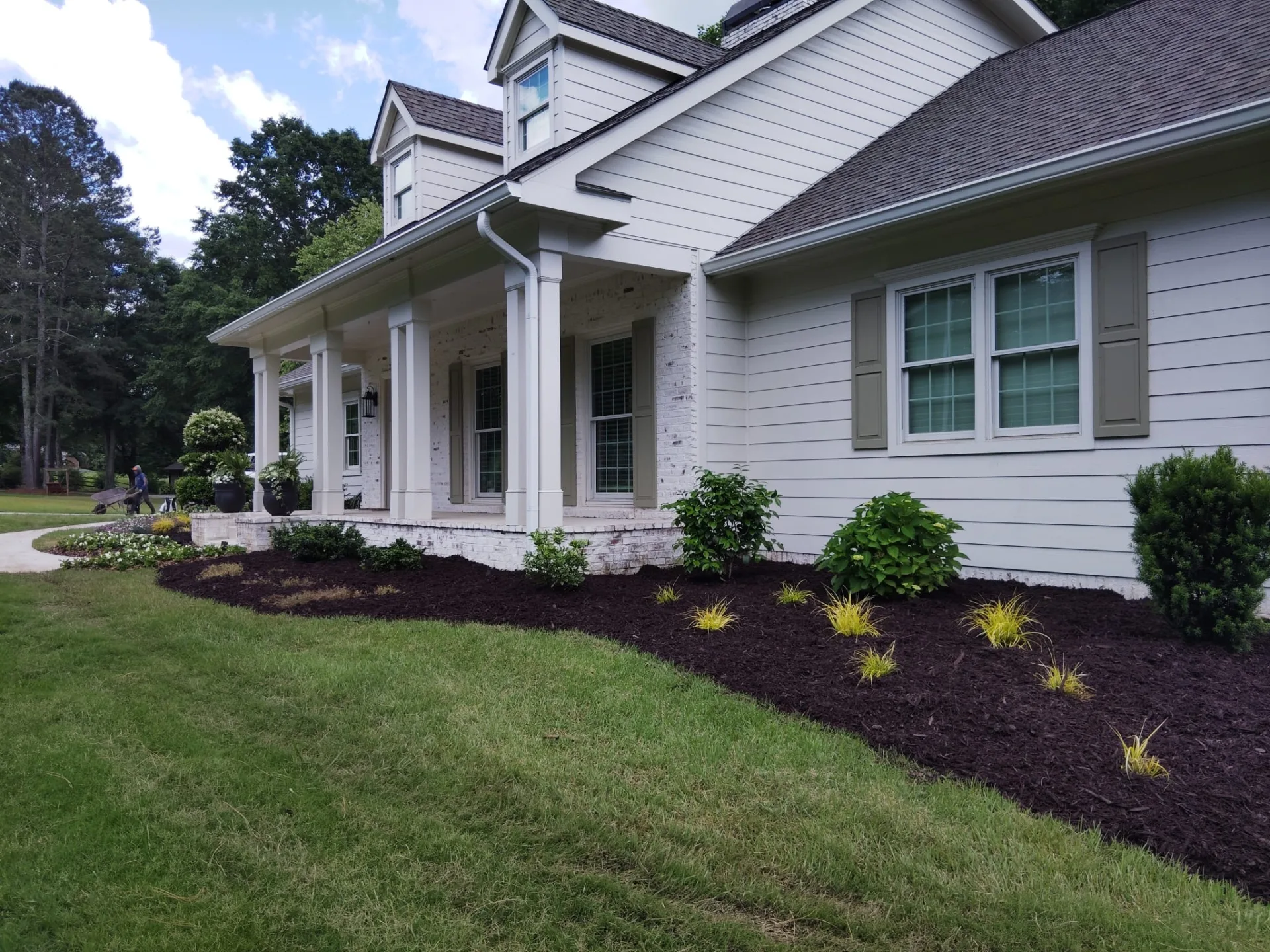
October 15, 2026
Fall is prime mulching season across metro Atlanta. Cooler weather is the perfect time to refresh your beds,…
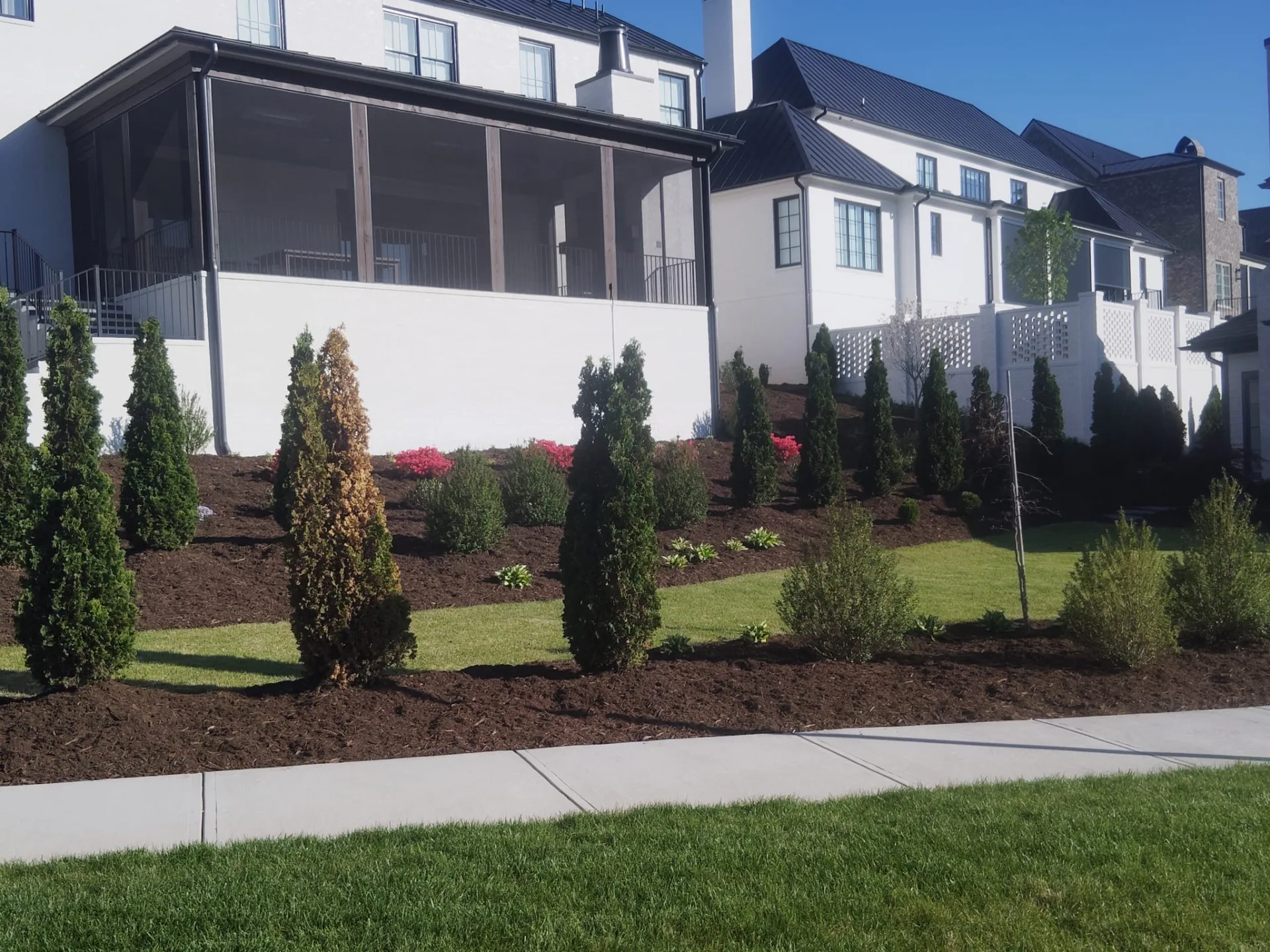
October 13, 2026
Fall is the most important season of the year for a Metro Atlanta landscape. The summer heat has…
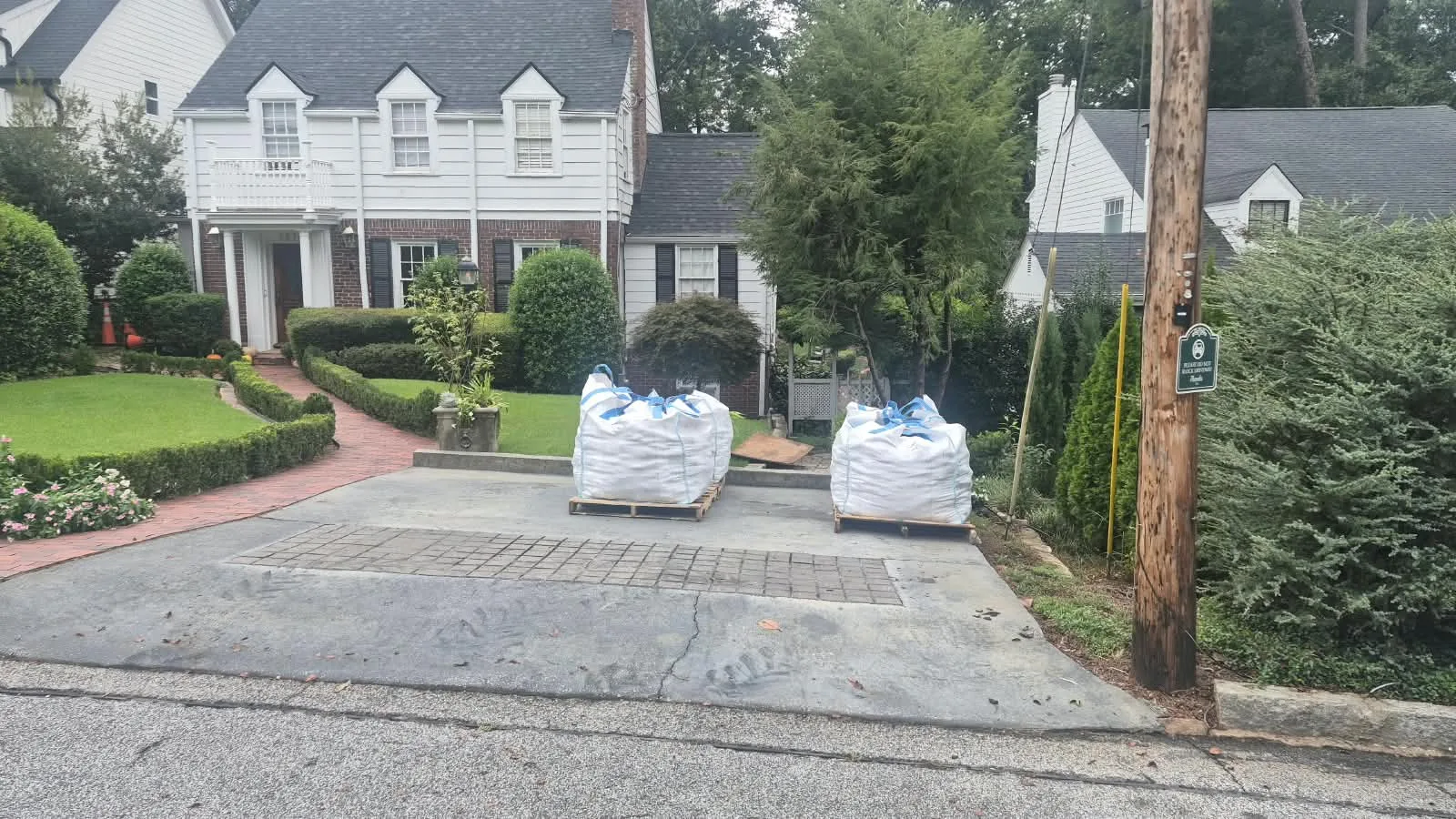
October 6, 2026
A dump-truck load of gravel on a driveway gets the job done, but it also leaves a mess….