Choosing the right gravel for your landscaping or construction project in Atlanta can feel overwhelming. With so many varieties available, each offering different textures, colors, and functional benefits, making the wrong choice can lead to drainage problems, premature wear, or an unappealing finish. This guide walks you through everything you need to know about gravel selection, from understanding the distinct characteristics of pea gravel, crushed stone, and river rock to preparing your site properly and installing gravel that lasts. Whether you’re building a driveway, creating a decorative pathway, or improving drainage around your home, you’ll discover practical steps to ensure your project succeeds.
| Point | Details |
|---|---|
| Gravel varieties | Different gravel varieties serve distinct landscaping and construction needs to prevent mismatches that cause drainage or wear issues. |
| Site preparation matters | Proper site assessment and vegetation removal along with depth planning and base selection set gravel projects up for long lasting performance. |
| Gravel sizing matters | Choosing correct size and material reduces drainage problems and prevents displacement under traffic. |
| Stepwise installation | Installing in stages with appropriate base layers, compaction, and edging yields better performance and fewer mistakes. |
| Gravel upkeep | Regular maintenance including topping weed control and inspections maintains function and visual appeal. |
Selecting the appropriate gravel starts with knowing what options exist and how each performs in real-world applications. Different gravel varieties serve landscaping and construction purposes distinctively, so understanding their unique characteristics helps you avoid mismatches that compromise your project. Pea gravel features small, rounded stones typically ⅜ inch in diameter, creating a smooth surface ideal for pathways and play areas. Crushed stone offers angular edges that lock together tightly, making it perfect for driveways and structural bases. River rock provides natural beauty with larger, smooth stones suited for decorative beds and water features.
Limestone gravel delivers excellent compaction and alkaline properties that benefit certain plants, while decomposed granite creates a firm, natural-looking surface for rustic pathways and patios. Each type varies in cost, with pea gravel and crushed stone generally more affordable than river rock or specialty granites. Texture impacts both aesthetics and function, as angular crushed stone resists displacement better than smooth pea gravel under vehicle traffic. Drainage capabilities differ too, with larger stones allowing faster water flow than finer materials.

| Gravel type | Texture | Best uses | Drainage | Cost |
|---|---|---|---|---|
| Pea gravel | Smooth, rounded | Pathways, play areas, decorative beds | Good | Low |
| Crushed stone | Angular, jagged | Driveways, bases, structural support | Excellent | Low |
| River rock | Smooth, varied sizes | Water features, decorative accents | Very good | Medium |
| Limestone | Angular, compacts well | Driveways, pathways, erosion control | Good | Medium |
| Decomposed granite | Fine, compactable | Patios, rustic paths, natural landscapes | Moderate | Medium to high |
When choosing gravel for your specific project, consider these factors:
Pro Tip: Choosing locally sourced gravel reduces transportation costs and ensures materials naturally complement Atlanta’s soil and climate conditions. Local suppliers understand regional needs and can recommend varieties that perform best in Georgia’s clay-heavy soils and variable rainfall patterns.
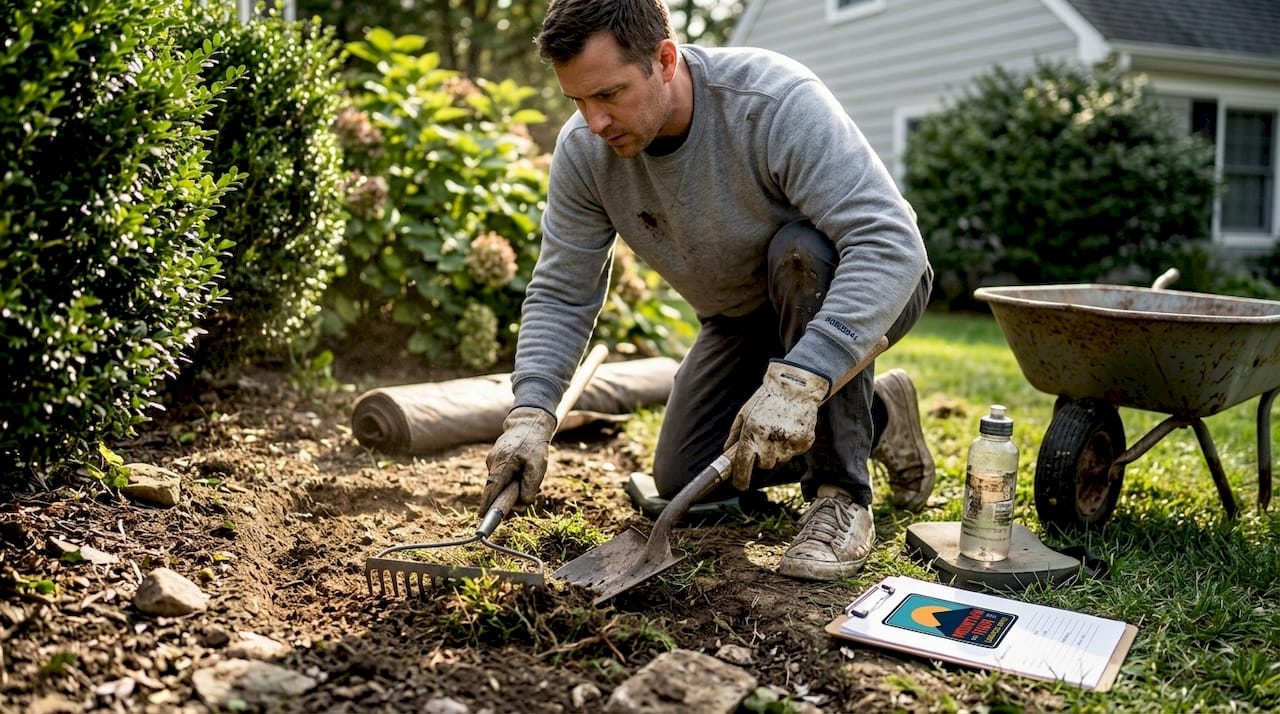
Proper preparation determines whether your gravel project thrives or fails within months. Before ordering materials, assess your site carefully to identify potential challenges. Ground slope affects drainage, so note any areas where water naturally pools or flows during rain. Soil type matters because clay-heavy Georgia soils require different base treatments than sandy or loamy ground. Existing vegetation must be completely removed, as roots will push through gravel and create uneven surfaces.
Gather these essential tools before starting:
Begin by clearing the installation area of all grass, weeds, roots, and debris. Excavate to a depth of 4 to 6 inches for pathways or 8 to 12 inches for driveways, depending on expected traffic. Proper site preparation, including base materials, prevents gravel displacement and promotes effective drainage. Install your base layer using crushed stone or coarse sand, spreading it evenly across the excavated area. Compact this base thoroughly using a plate compactor, making multiple passes to achieve a firm, stable foundation.
| Base material | Advantages | Best for | Considerations |
|---|---|---|---|
| Crushed stone | Excellent drainage, locks together well | Driveways, high-traffic areas | Requires thorough compaction |
| Coarse sand | Easy to level, good for settling | Pathways, patio bases | May shift without edges |
| Gravel dust | Compacts extremely firm | Structural bases, under pavers | Can impede drainage if too thick |
Lay landscape fabric over the compacted base, overlapping seams by at least 6 inches to prevent gaps where weeds can emerge. Secure the fabric with landscape staples every few feet. This barrier keeps your gravel layer separate from soil below while allowing water to drain through.
Pro Tip: Check Atlanta area HOA guidelines and local regulations before beginning your project, as some neighborhoods restrict gravel types, colors, or installation methods. Obtaining necessary permits upfront prevents costly corrections later. Understanding paving stone selection criteria can also inform your approach to complementary hardscaping elements.
Executing your gravel installation methodically ensures professional results that last. Following precise installation steps results in long-lasting gravel surfaces and minimizes future maintenance headaches. Start by spreading your gravel evenly across the prepared base, working in sections to maintain control. Pour gravel from wheelbarrows or bags, distributing it with a metal rake to achieve consistent depth.
Follow these sequential steps for optimal results:
Avoid these common mistakes that compromise gravel installations:
Always wear work gloves and safety glasses when handling sharp-edged crushed stone. Use caution operating plate compactors and other machinery, following manufacturer safety guidelines to prevent injury.
Timing your installation strategically improves outcomes in Atlanta’s climate. Spring and fall offer moderate temperatures and lower rainfall, making soil preparation easier and allowing proper settling before extreme weather. Avoid installing during summer’s intense heat, which makes physical work exhausting, or during winter freezes that prevent proper compaction. Plan for dry weather windows of at least 3 to 5 days to complete installation without rain interruptions. For detailed guidance on creating durable surfaces, review this gravel driveway process guide tailored for Georgia homeowners.
Once installed, your gravel surface requires ongoing attention to maintain function and appearance. Regular maintenance extends gravel lifespan and keeps projects looking their best year after year. Establish a routine that includes debris removal, surface leveling, weed control, and periodic gravel replenishment. After Georgia’s heavy spring rains or occasional winter freezes, inspect your gravel for displacement, erosion, or drainage problems.
Incorporate these maintenance tasks into your seasonal routine:
When problems arise, address them quickly to prevent escalation. Erosion typically occurs where water flows concentrate, washing gravel away and exposing base materials. Fix this by redirecting water flow, adding French drains, or installing deeper gravel in affected areas. Displacement from vehicle traffic happens when gravel lacks proper compaction or edge containment. Restore displaced gravel by raking it back into place, adding fresh material, and compacting thoroughly. Drainage issues manifest as standing water or muddy spots, usually indicating inadequate base preparation or clogged fabric. Improve drainage by adding coarser gravel, installing perforated pipes, or regrading problem areas.
Weed growth through gravel signals landscape fabric failure or inadequate initial installation. Remove weeds by hand or with targeted herbicides, then add additional fabric or increase gravel depth to 4 inches minimum. Uneven surfaces develop from settling, traffic patterns, or frost heave. Level these by redistributing existing gravel with a landscaper’s rake, adding material to low spots, and compacting to prevent recurrence.
Pro Tip: Keep a landscaper’s rake and small plate compactor handy for quick touch-ups. Spending 15 minutes every few months raking and compacting high-traffic areas prevents major restoration projects later. After heavy rains, walk your gravel surfaces to identify and fix small problems before they worsen.
Integrating gravel with other hardscaping essentials creates cohesive outdoor spaces. When planning comprehensive landscaping, explore options to discover the perfect gravel for your Metro Atlanta landscape that coordinates with existing features. Combining gravel pathways with mulched beds, stone borders, and planted areas produces professional results that enhance property value.
Ready to transform your outdoor space with quality gravel that performs beautifully for years? Mountain High Landscape Supply offers an extensive selection of premium gravel varieties perfectly suited for Atlanta’s unique soil and climate conditions. From classic pea gravel to durable crushed stone and decorative river rock, you’ll find exactly what your project needs.

Our knowledgeable team helps homeowners and contractors select the right materials for driveways, pathways, drainage solutions, and decorative applications. We understand Metro Atlanta landscapes and can recommend gravel types that complement your existing features while meeting functional requirements. Explore our complete range of gravel options for landscaping projects and discover how easy professional results can be.
Convenient landscape supply delivery throughout Atlanta, Marietta, Smyrna, and surrounding communities means your materials arrive when you need them. Prefer to pick up yourself? Visit our clean, organized supply yards where you can see products firsthand and load directly. We also carry premium red mulch and other landscaping essentials to complete your project with coordinated materials from one trusted source.
Gravel sized between ¾ to 1¼ inches works best for driveways, balancing compaction with drainage. Using crushed stone that includes smaller fines helps lock larger stones in place and reduces shifting under vehicle weight. This combination creates a stable surface that resists rutting while allowing water to drain effectively.
Pea gravel and crushed stone both work well in shady or wet areas due to their excellent drainage properties. Proper base preparation with compacted crushed stone and landscape fabric is essential to prevent muddy or slippery surfaces. In particularly wet locations, increase gravel depth to 4 inches and ensure adequate slope for water runoff.
Most gravel surfaces need replenishment every 1 to 3 years depending on traffic levels and weather exposure. High-traffic driveways may require annual additions, while decorative beds in protected areas last longer. Regular inspections help you determine when adding gravel restores both appearance and function, preventing base exposure.
Landscape fabric significantly reduces weed growth and prevents gravel from mixing with soil below. While not absolutely mandatory, it improves longevity and reduces maintenance efforts substantially. The small upfront investment in quality fabric saves countless hours of weeding and extends the time between gravel replenishment by keeping materials separate and clean.