Sand is defined as one of the most effective play surfaces for children, combining natural shock absorption with rich sensory and developmental benefits. The role of sand in play areas goes far beyond filling a sandbox. Certified play sand, also called play-grade or washed silica sand, gives children a safe, clean surface for digging, molding, and creative play. It supports fine motor skills, early math concepts, and social cooperation. Understanding what sand does, and how to maintain it properly, helps parents make confident decisions about their child’s play environment.
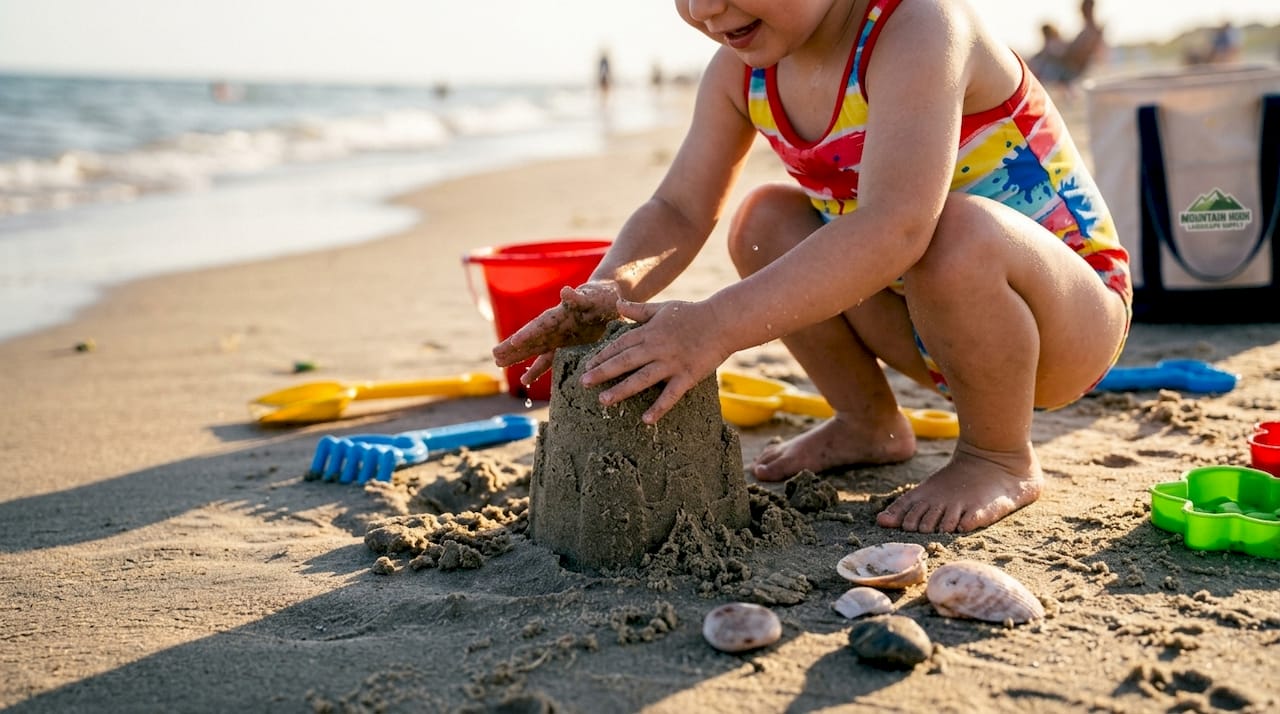
Sand is one of the few play materials that engages a child’s body and mind at the same time. Research confirms that sand play enhances cognitive development, hand-eye coordination, and self-regulation. Those are not small gains. They are the building blocks children use in school and social settings for years.
The developmental benefits of sand play fall into several clear categories:
Sand also teaches persistence. A collapsed sandcastle is not a failure. It is an invitation to try a different approach. That kind of low-stakes problem-solving is hard to replicate with plastic equipment.
Pro Tip: Set out measuring cups, funnels, and small molds in the sandpit. These simple tools turn free play into hands-on learning without any adult direction.
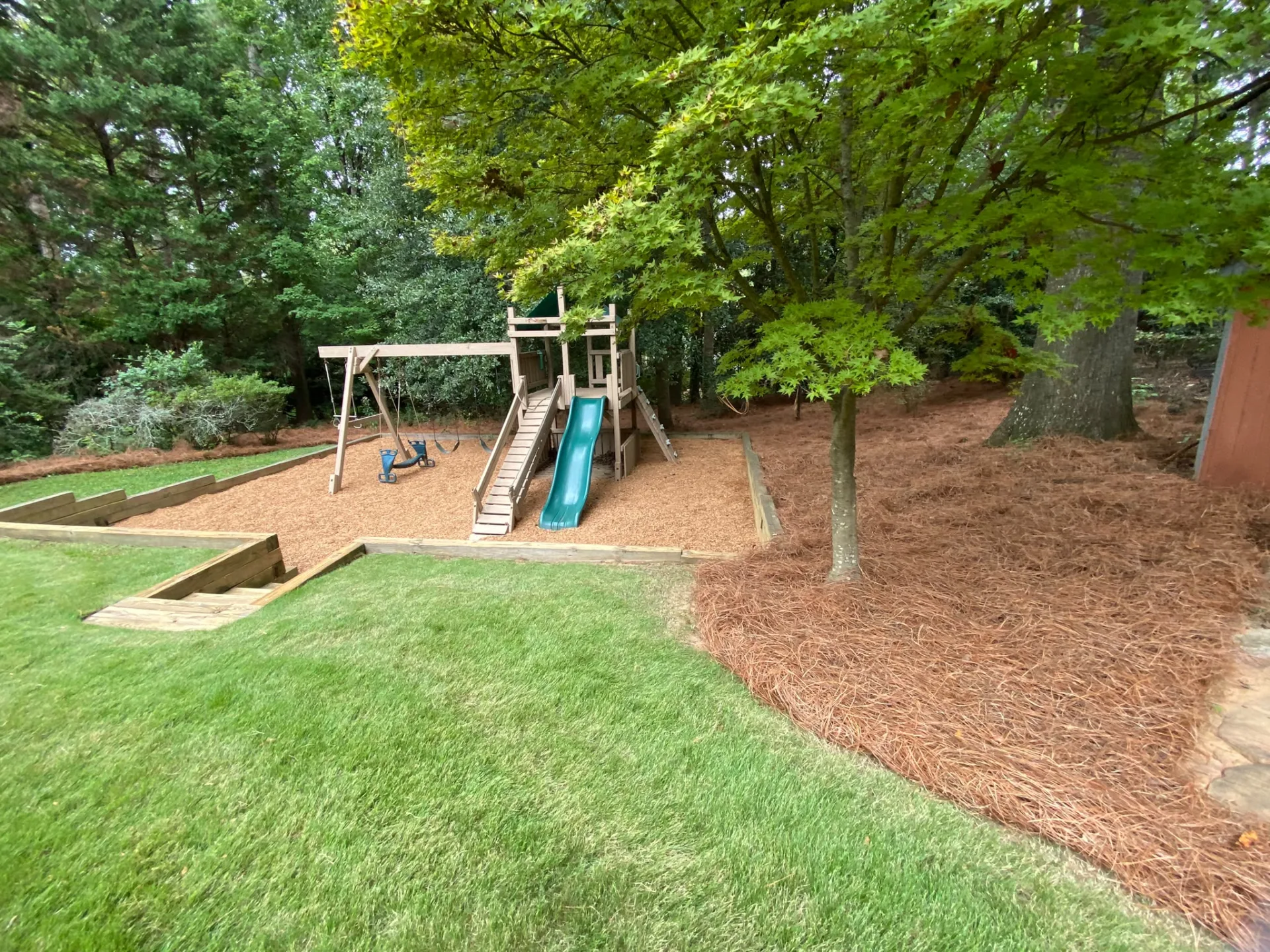
Sand absorbs shock and reduces injury risk from falls, which makes it one of the most forgiving surfaces under and around playground equipment. That shock-absorption quality is the reason sand has been used in playgrounds for generations. The key is using the right type of sand.
Play-grade sand is processed differently from construction sand. Certified play sand is washed and screened to remove impurities, dyes, and coarse particles, giving it a softer texture that is gentler on children’s hands and feet. Builder’s sand, by contrast, contains coarser particles and potential contaminants that can cause skin irritation and are not appropriate for children’s play.
The table below compares common playground surfaces to help parents weigh their options:
| Surface | Shock absorption | Sensory value | Maintenance level | Cost |
|---|---|---|---|---|
| Play-grade sand | High | Very high | Moderate to high | Low to moderate |
| Rubber mulch | High | Low | Low | High |
| Wood chips | Moderate | Moderate | Moderate | Low |
| Poured rubber | High | Very low | Very low | Very high |
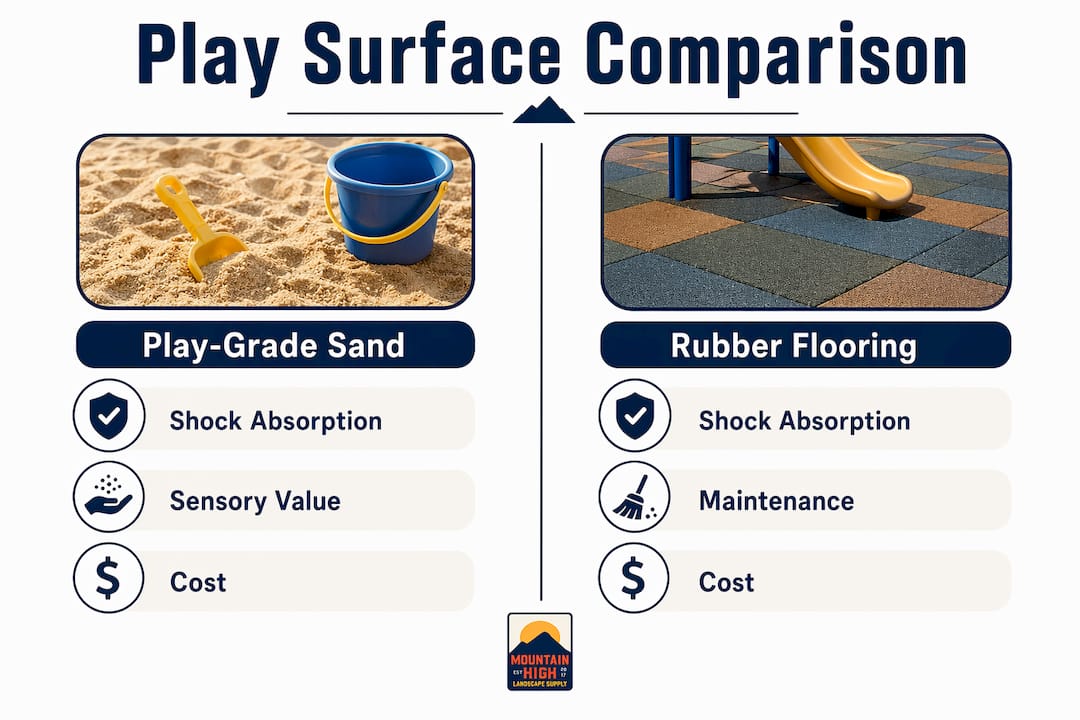
Sand wins on sensory value and cost. It loses ground on maintenance, which is the trade-off parents need to plan for.
Limitations do exist. Sand migrates out of play areas, creating slip hazards on surrounding surfaces. Without proper upkeep, sand can also harbor bacteria and attract animals. These are real concerns, but they are manageable with consistent maintenance practices.
Pro Tip: Choose washed silica sand over unprocessed or builder’s sand every time. The cleaner composition reduces contamination risk and keeps the surface softer for young skin.
Regular maintenance is what separates a healthy sandpit from a hazardous one. Sand requires raking and turning to prevent hardening and bacterial buildup. Skipping this step allows the surface to compact, which reduces shock absorption and creates an environment where bacteria thrive.
Follow these steps to keep a sand play area in good condition:
The labor involved in maintaining sand is real. Parents and schools that commit to a weekly routine find the upkeep manageable. Those who skip maintenance cycles face a much harder reset.
Pro Tip: Replace the full volume of sand every one to two years in high-use areas. Fresh sand restores softness, cleanliness, and proper depth for effective shock absorption.
Not all sand is created equal, and the difference matters for children’s safety. The importance of sand in playgrounds starts with selecting the right grade. Using the wrong type creates sensory discomfort and potential health risks.
Here is what to look for when selecting sand for a play area:
| Sand type | Safe for play? | Texture | Recommended use |
|---|---|---|---|
| Certified play-grade sand | Yes | Fine and soft | Residential and public playgrounds |
| Washed silica sand | Yes | Fine | Sandboxes and sensory play areas |
| Builder’s sand | No | Coarse | Construction only |
| River sand | Varies | Medium | Check certification before use |
For residential play areas in the Atlanta metro region, Mountainhighmulch carries river sand and can advise on the right grade for your specific setup. Choosing a local supplier with expertise in playground materials removes the guesswork from the selection process.
Sand is the most developmentally rich and cost-effective play surface available, provided parents select certified play-grade sand and commit to consistent maintenance.
| Point | Details |
|---|---|
| Use certified play sand | Washed silica or play-grade sand is safer and softer than builder’s or construction sand. |
| Sand boosts child development | Sand play builds fine motor skills, spatial awareness, and cooperative problem-solving. |
| Maintenance is non-negotiable | Weekly raking, breathable covers, and regular inspections keep sand safe and clean. |
| Cover with mesh, not tarps | Breathable netting prevents moisture buildup, bacteria, and odors in sandpits. |
| Match sand type to the setting | Residential and public play areas have different volume and certification requirements. |
I have seen parents hesitate over sand because of the mess and the upkeep. That hesitation is understandable. Sand does migrate. It does require attention. But the trade-off is a play surface that no rubber mat or poured surface can replicate.
Sand was largely replaced by rubber flooring in the 1990s due to cleanliness and safety fears. Experts now advocate for sand’s return because the tactile, grounding experience it provides is genuinely irreplaceable. Countries like Singapore are actively bringing sand back into school playgrounds for exactly this reason.
What I find most telling is this: children do not need to be told how to play in sand. They just do it. They dig, build, pour, and start over. That self-directed engagement is rare, and it is worth protecting. The messiness of sand is a fair price for the level of creativity and independence it produces.
My advice to parents is to treat sandpit maintenance as a community habit, not a chore. Get the kids involved in raking. Make it part of the routine. When children understand why they keep sand clean, they are more careful about it. That is a life skill, not just a playground rule.
— Eric
Parents across Atlanta, Marietta, and Smyrna trust Mountainhighmulch for quality landscape and playground materials. We carry premium sand options suited for residential sandpits and larger play installations, along with expert guidance on which product fits your specific project.

Whether you are building a backyard sandpit or planning a school playground surface, our team helps you select the right material with confidence. We also carry certified playground mulch for parents comparing sand against other natural surfacing options. Visit our Marietta or Smyrna supply yards, or use our delivery service throughout the metro area. You can also explore our landscape materials guide to see the full range of products we offer for outdoor projects.
Sand serves as a shock-absorbent play surface that also promotes sensory development, fine motor skills, and creative play in children. It is one of the most developmentally rich surfaces available for playground use.
Certified play-grade or washed silica sand is safe for children’s play areas. Builder’s sand and construction-grade sand are not appropriate because they contain coarser particles and potential contaminants.
Sand in high-use play areas should be fully replaced every one to two years. Regular raking and covering with breathable mesh netting extends the life of the sand between replacements.
Certified play-grade sand or washed silica sand is the best choice. Both are processed to remove impurities and provide a fine, soft texture that is safe for direct skin contact.
Rake and turn the sand weekly, cover it with breathable fine-mesh netting when not in use, and inspect it before each play session. These three steps prevent compaction, moisture buildup, and bacterial growth.