
Marietta · Mon–Fri 7 AM – 5 PM · Sat 7 AM – 3 PM · Sun Closed
As temperatures start to drop, many assume gardening comes to a halt. However, winter gardening presents unique opportunities! With a bit of planning, you can cultivate a thriving winter garden that brightens up the colder months and even offers fresh produce. Here at Mountain High Landscape Supply in Atlanta, GA, we’ve gathered some key tips and considerations to ensure your winter garden is set up for success.
Winter gardens thrive with hardy plants that can withstand colder temperatures. In the Atlanta area, consider options like:
Vegetables: Kale, spinach, broccoli, and Brussels sprouts can handle frost and actually taste better after a cold snap.
Herbs: Rosemary, sage, and thyme are robust herbs that will hold up in chilly weather.
Flowers: Pansies, violas, and ornamental cabbages add color to your garden and tolerate colder temps.
Tip: Choose seedlings or seeds labeled “cold-tolerant” or “hardy” to maximize your success.
Soil quality is crucial, especially for winter gardening. You’ll want to:
Amend your soil with organic compost to add nutrients and improve soil structure, which is essential for healthy root development.
Test the pH levels to make sure it’s optimal for the plants you’re growing. Winter vegetables typically prefer slightly acidic to neutral soil.
Ensure good drainage to prevent roots from sitting in water, as too much moisture combined with cold can lead to root rot.
Although many winter plants tolerate frost, sudden cold spells can still cause damage. Here are a few ways to protect your plants:
Mulch heavily around plants to insulate the soil. Mulch regulates temperature and moisture levels, keeping roots warm during colder nights.
Use frost covers or row covers for delicate plants or during unexpected freezing nights. These lightweight fabrics can help retain warmth and protect plants from frostbite.
Our selection of frost covers and winter-ready mulches at Mountain High Landscape Supply makes it easy to prepare for any temperature fluctuations.
Timing is key for winter gardening. Ideally, you’ll want to start planting hardy crops and flowers in late fall, so they’re established by the time the cold weather sets in. Keep these points in mind:
Plan around Atlanta’s first frost date, typically around mid-November, by getting your plants in the ground a few weeks before.
Start seeds indoors for plants like kale and broccoli, then transplant them outdoors as the weather cools.
With shorter daylight hours, your winter garden will need as much sunlight as possible. Plant in areas that receive at least 4-6 hours of direct sunlight daily. South-facing areas tend to get the most sun, making them ideal spots for a winter garden.
Watering needs are different in winter since the soil doesn’t dry out as quickly. Follow these guidelines:
Water in the morning to prevent ice from forming on plants overnight.
Reduce frequency, as cooler temperatures slow down evaporation. Aim for moist—not wet—soil.
Avoid watering when temperatures are near freezing, as it could freeze and damage plant roots.
Winter gardens offer unique rewards. Winter greens and hardy herbs can enhance cold-weather dishes, while blooming pansies and ornamental kale add vibrant color to otherwise dreary landscapes. Enjoy the fruits of your winter garden and the beauty it brings to your outdoor space during the cooler months.
Mountain High Landscape Supply in Atlanta, GA, has everything you need to bring your winter garden to life. From high-quality soil and mulch we’re here to support your winter gardening journey. Visit us for expert advice, seasonal supplies, and inspiration to make the most of your winter garden.
Happy gardening, and here’s to a beautiful winter season!
Growing Winter Vegetables with Mountain High Landscape Supply’s Premium Garden Mix

October 15, 2026
Fall is prime mulching season across metro Atlanta. Cooler weather is the perfect time to refresh your beds,…

October 13, 2026
Fall is the most important season of the year for a Metro Atlanta landscape. The summer heat has…
October 6, 2026
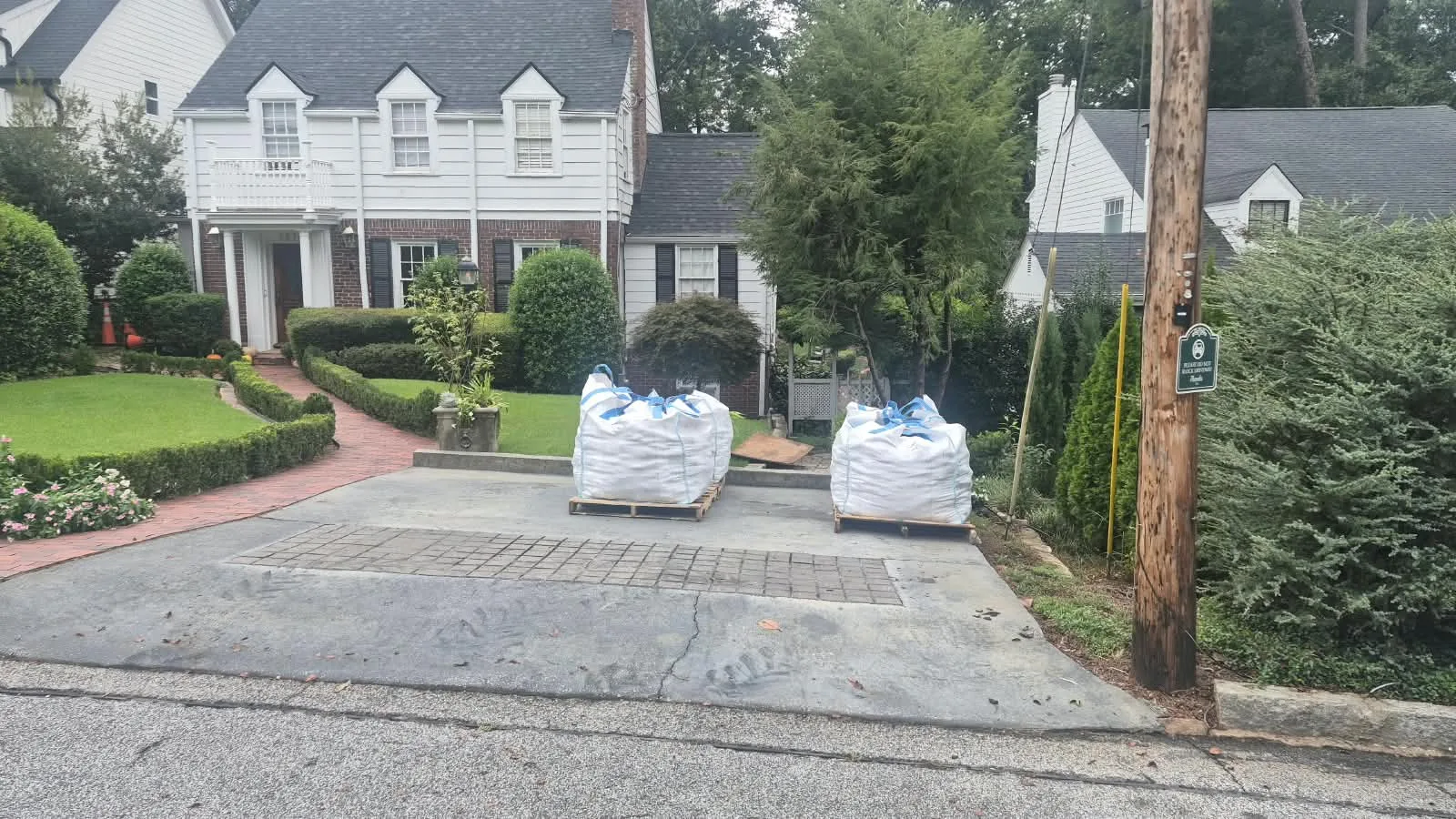
A dump-truck load of gravel on a driveway gets the job done, but it also leaves a mess….