TL;DR:
- Proper stone selection enhances both aesthetic appeal and functionality in Atlanta landscapes.
- Durability and local sourcing are key to long-lasting, low-maintenance hardscaping projects.
- Consulting with local experts can prevent costly mistakes and ensure project success.
Landscaping stones are far more than a decorative touch. Many homeowners and contractors across the Atlanta metro area choose stones purely for their looks, then run into drainage problems, shifting pathways, or materials that crack under Georgia’s intense summer heat. The right stone does double duty: it enhances curb appeal while solving real functional challenges like erosion control, water management, and long-term durability. This guide walks you through the main stone types available, how they perform in Atlanta’s climate, their best uses, and how to avoid the most common selection mistakes before you spend a single dollar.
| Point | Details |
|---|---|
| Know your stone types | Different stones serve unique landscaping functions and aesthetics. |
| Choose for Atlanta’s conditions | Match stone type to local climate and intended project use for best results. |
| Maintenance matters | Proper care extends the beauty and longevity of your landscaping stones. |
| Source locally when possible | Locally-sourced stones are often better suited for your Atlanta project and more sustainable. |
Landscaping stones are natural or processed rock materials used to build, define, and enhance outdoor spaces. They are a core element of hardscaping essentials, working alongside plants, soil, and water features to create functional, attractive environments. In Atlanta, where clay-heavy soil and heavy rainfall are common, stone selection plays a direct role in how well your yard holds up over time.
The core types of stones used in Atlanta landscapes each bring unique properties to a project. Here is a quick comparison:
| Stone type | Visual appeal | Durability | Maintenance level |
|---|---|---|---|
| River rock | High, smooth and rounded | Excellent | Low |
| Pea gravel | Moderate, uniform texture | Good | Low to moderate |
| Decomposed granite | Natural, earthy tones | Moderate | Moderate |
| Fieldstone | Rustic, irregular shapes | Excellent | Low |
| Flagstone | Elegant, flat surfaces | Very good | Moderate |
| Boulders | Bold, dramatic focal points | Excellent | Very low |
Each stone type excels in specific scenarios:
You can also explore decorative rocks in Atlanta to see how these materials look in real metro-area projects before committing to a choice.
Pro Tip: To estimate how much stone you need, multiply the length by the width of your project area to get square footage, then decide on your desired depth in inches. Divide the depth by 12 to convert to feet, then multiply by the square footage. Most suppliers can convert that cubic footage into tonnage for you.
With a clear view of stone types, let’s explore how they fit into common Atlanta projects. Stone hardscape elements appear in a wide range of residential and commercial applications across the metro area, and stones used for patios, walkways, and drainage represent some of the most requested materials we supply.
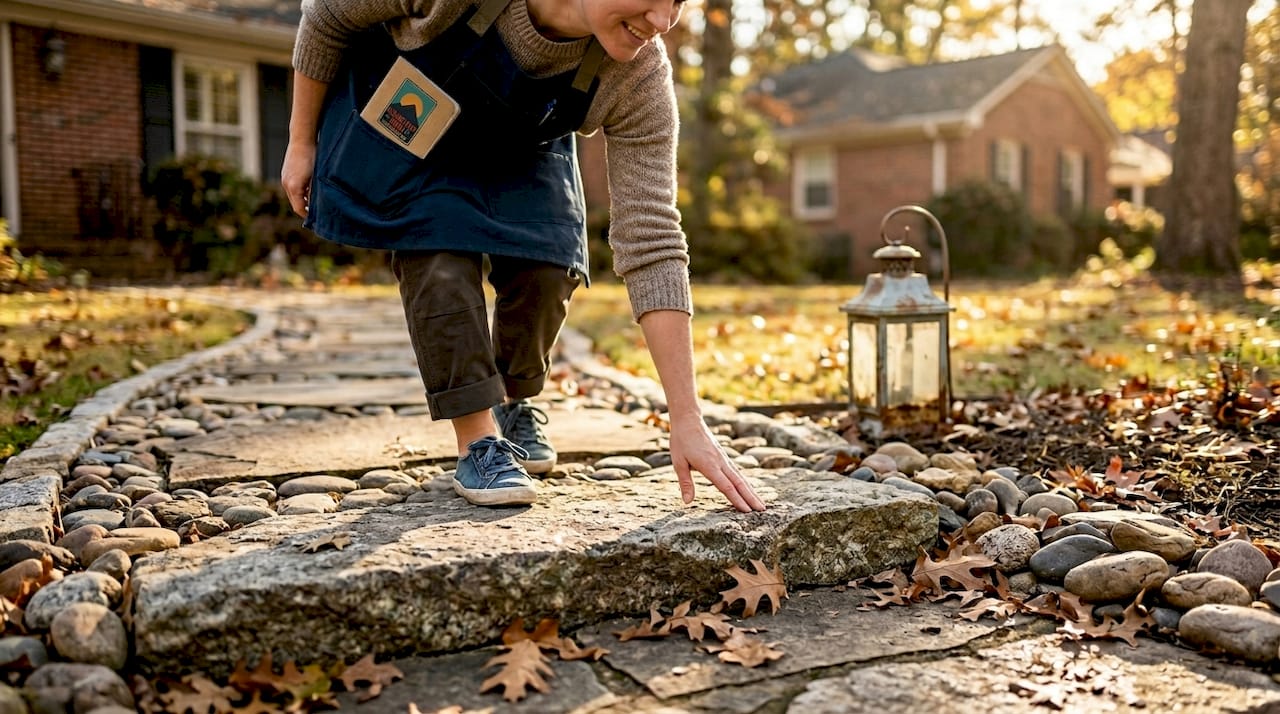
According to local project data, over 60% of Atlanta-area landscape renovations now incorporate some form of stone hardscape, reflecting a strong shift toward durable, low-maintenance outdoor design. That number continues to grow as homeowners prioritize materials that hold up through Georgia’s wet winters and dry summers.
Here are the most popular stone applications in the Atlanta market:
One of the most effective design strategies is blending stone types within a single project. For example, pairing flagstone stepping stones with a pea gravel surround creates visual contrast and practical drainage. When selecting gravel for a mixed-material project, always consider how the colors and textures interact under Atlanta’s bright sunlight. Lighter stones can wash out in direct sun, while darker options absorb heat and may become uncomfortable to walk on barefoot in summer.
Contractors working on commercial properties often combine multiple stone types to meet both aesthetic and code requirements, especially on slopes where erosion control is a priority. Explore your gravel options for Atlanta projects to match material specs to your site conditions.
Now that we know how stones are used, let’s break down how to choose the right type for your purpose. Not every stone suits every situation, and making the wrong call can mean redoing work within a few seasons.
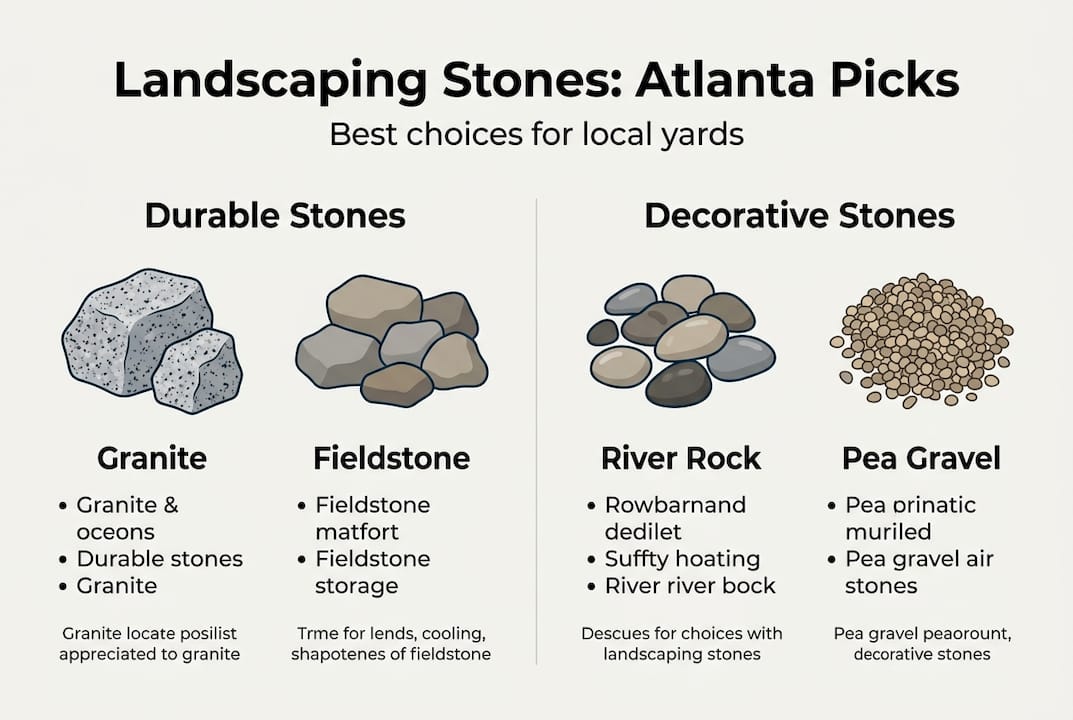
Here is a direct comparison of the most common choices:
| Stone type | Pros | Cons |
|---|---|---|
| Flagstone | Elegant look, flat surface, durable | Higher cost, requires leveling |
| Gravel | Affordable, excellent drainage, easy to install | Can shift, needs edging to stay in place |
| Fieldstone | Natural look, very durable, good for walls | Irregular shapes make installation slower |
| Boulders | Low maintenance, dramatic visual impact | Heavy, requires equipment to place |
The reasons to choose or avoid certain stones often come down to your site conditions and how much ongoing maintenance you want to commit to. Here is a numbered process to help you narrow your choice:
For projects involving large accent stones, learn more about using boulders effectively in Atlanta landscapes before finalizing placement.
Pro Tip: Avoid placing small gravel directly on Atlanta clay without a landscape fabric barrier underneath. Clay expands when wet and can push gravel to the surface or cause uneven settling within one rainy season.
After you’ve chosen your stone, it’s important to know how to maintain and source it effectively. Stones are often marketed as zero-maintenance, but that’s not entirely accurate. Each type needs some level of attention to stay functional and attractive over the years.
Here are key maintenance practices by stone type:
For long-term investment value, the expected lifespan of popular stones varies considerably. Granite-based materials can last decades with minimal care. Softer stones like some sandstone varieties may show wear within five to ten years in Georgia’s acidic soil conditions.
Local sourcing matters. Stones quarried or sourced near Atlanta are already acclimated to Georgia’s temperature swings and moisture levels. They also cost less to transport, which keeps your project budget in check without sacrificing quality.
When you’re ready to buy, working with a local supplier who understands Atlanta’s specific soil and climate conditions makes a real difference. Visit our Atlanta garden stone guide for a deeper look at what materials perform best in metro-area conditions. Local suppliers can also advise on quantities, delivery logistics, and how to phase a larger project over multiple seasons.
Most buyers walk into a stone selection conversation focused on one thing: how it looks. That’s understandable. Stones are visible, and curb appeal matters. But in our experience working with Atlanta homeowners and contractors, the projects that hold up best over five or ten years are the ones where function drove the decision, and aesthetics followed.
Here’s what we’ve seen repeatedly: a homeowner picks a beautiful light-colored gravel for a pathway, then discovers it shows every footprint and needs constant raking. Or a contractor installs flagstone on a slope without proper base preparation, and within two seasons, the stones are uneven and a liability risk.
The choice of stone size, color, and texture also affects resale value in ways most people don’t anticipate. A well-designed stone patio or retaining wall can add measurable value to an Atlanta property. A poorly chosen or poorly installed one can actually raise red flags for buyers.
Our recommendation is simple: before you finalize any design, consult with a local supply expert who knows top Georgia hardscaping materials and can match your site conditions to the right product. That conversation costs nothing and can save you thousands.
We carry a wide selection of premium stones, gravel, and landscape materials at our Marietta and Smyrna supply yards, and we’re ready to help you find exactly what your project needs.

Whether you’re a homeowner planning a backyard patio or a contractor sourcing materials for a large commercial site, our team brings real Atlanta-area expertise to every order. We also offer a full range of complementary products, including red mulch options for garden beds and guidance on the right Atlanta hardscape vs softscape balance for your property. Visit Mountain High Mulch to browse our inventory, request delivery, or speak with one of our landscape supply specialists today.
River rock, granite, and fieldstone perform well due to their durability in Georgia’s heat and rainfall. These materials resist cracking, shifting, and surface erosion better than softer stone options.
Calculate your square footage and desired depth, then consult with a supplier to determine tonnage. Proper estimation of stone quantity prevents costly over-ordering or running short mid-project.
Yes. Gravel and river rock improve water flow and reduce erosion significantly in Atlanta yards, especially on sloped lots with clay-heavy soil.
Pea gravel is smoother for foot traffic and easier on bare feet, while river rocks offer a more natural, textured look. Your choice depends on traffic volume and the overall design style you want to achieve.