Types of bagged mulch are organic and inorganic materials packaged in convenient bags that simplify garden and landscape maintenance for homeowners tackling projects of any size. Choosing the right mulch from the available bagged mulch options directly affects soil health, moisture retention, weed suppression, and the long-term appearance of your yard. Popular types include hardwood, pine bark, cedar, rubber, and dyed mulches, each with distinct benefits and trade-offs. Brands like Miracle-Gro and Scotts dominate retail shelves, but understanding what’s inside the bag matters far more than the label on the front.
Hardwood bark mulch is one of the most widely used organic bagged mulch options available at home improvement stores. It decomposes slowly, which means it suppresses weeds effectively and holds its structure through multiple seasons. Hardwood mulch typically costs between $2 and $4 per bag, making it one of the most budget-friendly choices for large ornamental beds. One critical note: wood-based mulches can temporarily deplete soil nitrogen during decomposition, so keep them as a surface layer rather than mixing them into the soil.

Pine bark mulch is the preferred choice for acid-loving plants like azaleas, blueberries, rhododendrons, and gardenias. Its natural acidity gradually lowers soil pH as it breaks down, creating conditions these plants thrive in. Pine bark nuggets resist compaction better than shredded hardwood, which improves air circulation around plant roots. You can read more about pine bark selection to match nugget size to your specific bed type.
Cedar mulch is favored for its natural aroma and insect-repelling properties, which makes it a premium choice for beds near patios, entryways, and high-traffic areas. It breaks down slower than hardwood mulch and costs more upfront, but requires less frequent replacement. That slower decomposition rate also means fewer bags purchased over a two to three year period, which offsets the higher price per bag. Cedar is not the best choice if you want mulch that actively feeds your soil, but for low-maintenance aesthetic beds, it performs exceptionally well.
Pine straw is a lightweight, fast-decomposing mulch that works particularly well in vegetable gardens and sloped areas prone to erosion. Organic mulches like pine straw last one to three years in stable beds, but in vegetable gardens they often break down within a single growing season, adding organic matter back into the soil. Pine straw knits together as it settles, which helps it stay in place on inclines better than loose wood chips. It is also one of the most affordable bagged mulch options available in the Southeast.
Straw mulch and bagged compost serve a different purpose than bark-based products. Straw decomposes quickly, often needing reapplication within six to twelve months, but it adds organic matter that improves soil structure over time. Bagged compost used as mulch delivers the fastest nutrient payoff of any organic option, feeding soil microbes and improving drainage simultaneously. The trade-off is that compost provides minimal weed suppression compared to bark mulches, so it works best when layered under a thicker organic mulch or used directly around vegetable transplants.
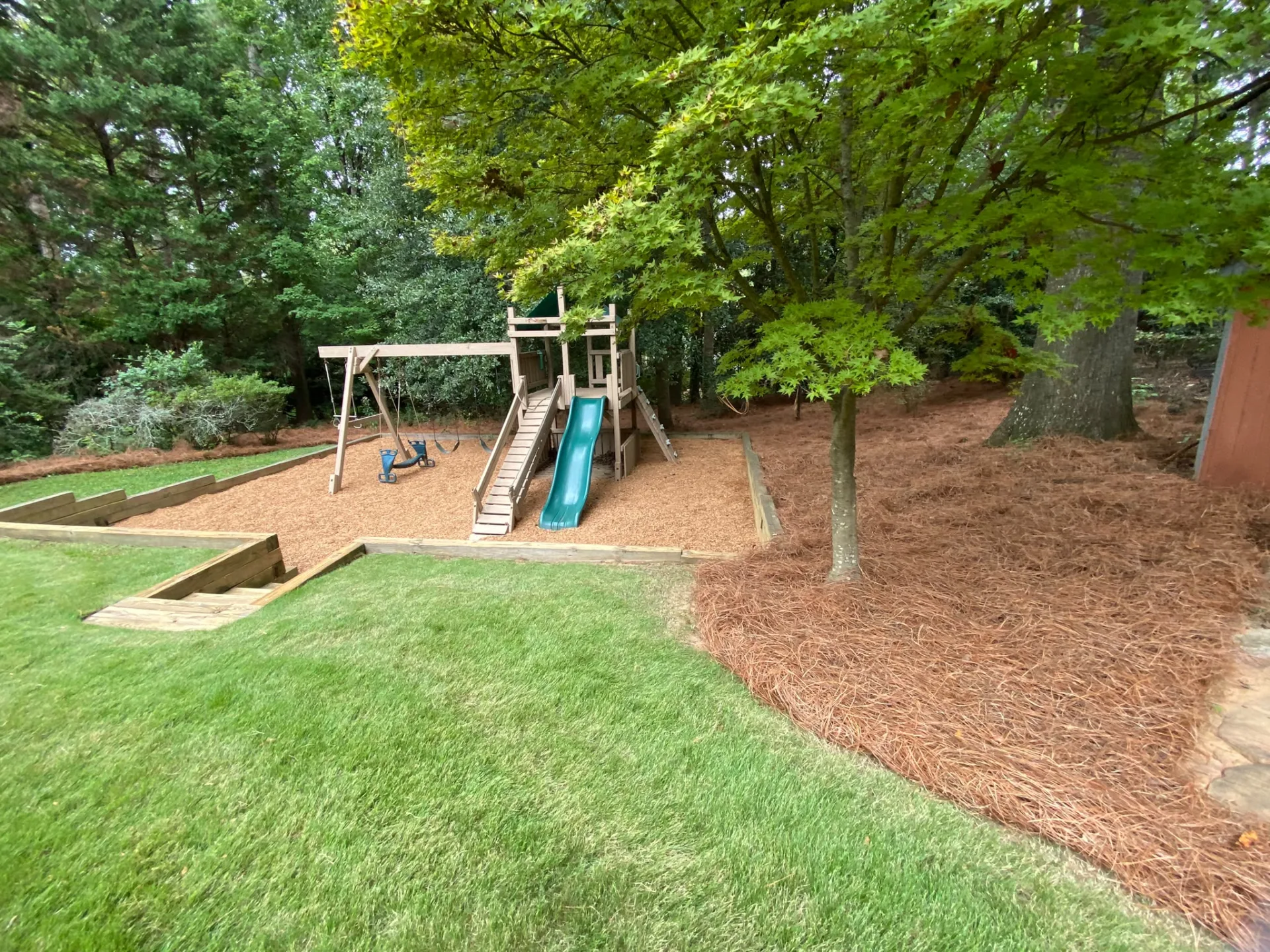
Rubber mulch is an inorganic option made from recycled tires, designed for durability and long-term use in playgrounds and permanent landscape beds. It does not decompose, does not attract insects, and holds its color for years without fading. However, rubber mulch does not improve soil and may leach chemicals over time, which makes it unsuitable for vegetable gardens or any bed where soil health is a priority. The best applications for rubber mulch are under play equipment, around trees in hardscape areas, and in decorative beds where soil enrichment is not a goal.
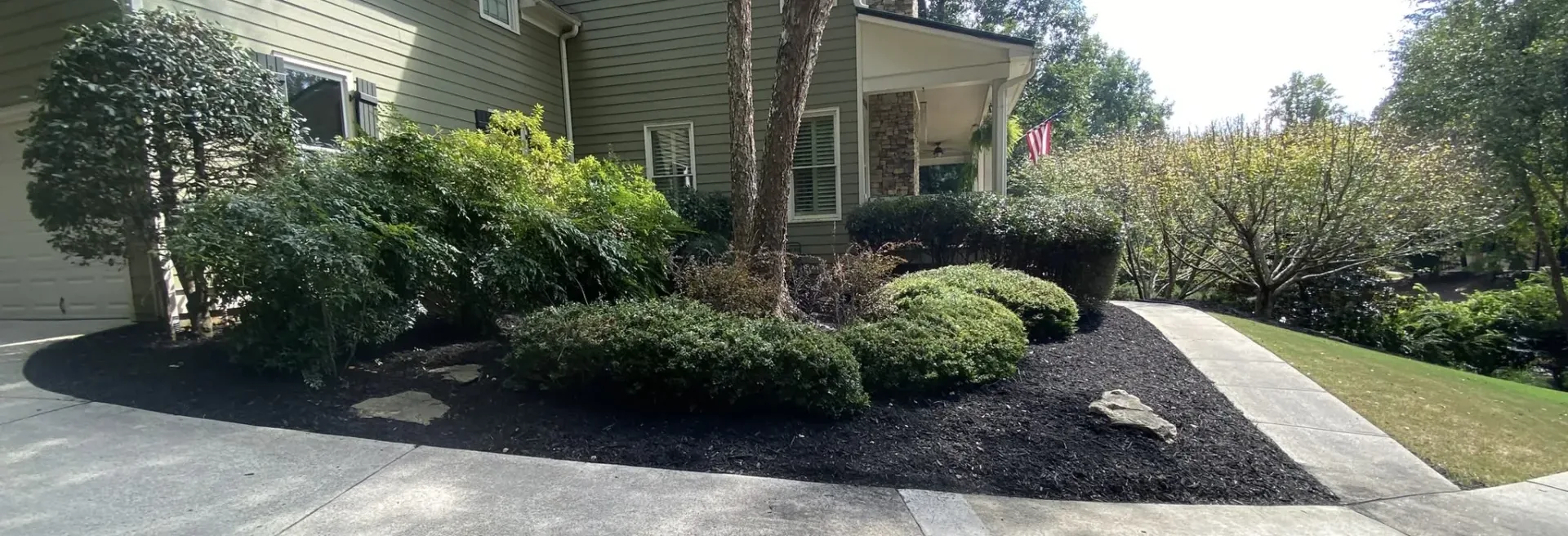
Dyed mulches are wood-based products treated with colorants to maintain a consistent appearance throughout the season. They come in red, black, and brown tones and are popular for high-visibility front yard beds where curb appeal matters. Dyed mulches maintain color throughout the season, but dye quality varies significantly between brands, affecting how long that color holds. For edible gardens, undyed natural wood mulch is the safer choice, since the long-term effects of some colorants on soil biology are not fully established.
Landscape fabric and black plastic sheeting are inorganic mulch alternatives that block weeds by cutting off light at the soil surface. Plastic mulch is particularly effective in vegetable production, where it warms the soil and accelerates early-season growth for crops like tomatoes and peppers. The choice between organic and inorganic mulch depends on your garden goals: organic improves soil over time, while inorganic offers permanence and low maintenance. Landscape fabric works best under gravel or stone, not under wood chip mulch, where it tends to clog with debris and become difficult to remove.
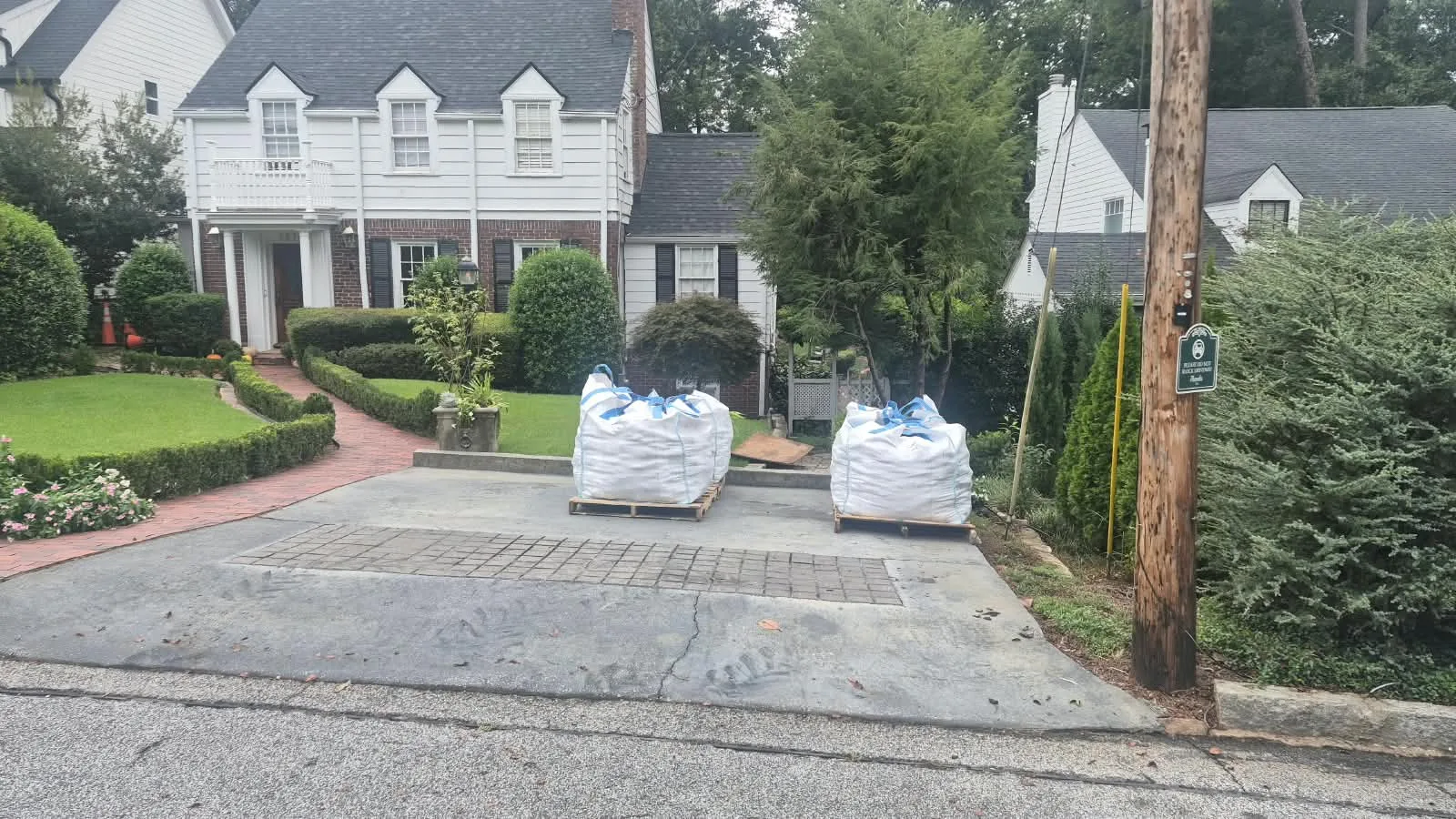
Standard bagged mulch sizes range from 1.5 to 2 cubic feet, with pricing between $2 and $12 depending on material type. One cubic yard equals approximately 13.5 two-cubic-foot bags, and bulk mulch delivery can be 40 to 60 percent cheaper per cubic yard than buying bags. This cost gap means bagged mulch is most practical for projects under two cubic yards.
| Mulch type | Price per bag | Lifespan | Best use |
|---|---|---|---|
| Hardwood bark | $2–$4 | 2–3 years | Ornamental beds, trees |
| Pine bark | $3–$5 | 2–3 years | Acid-loving plants |
| Cedar | $5–$8 | 3+ years | Patios, entryways |
| Rubber | $8–$12 | 10+ years | Playgrounds, hardscape |
| Pine straw | $3–$5 | 1–2 years | Slopes, vegetable beds |
Pro Tip: Always add 5% extra volume to your calculated quantity to account for settling and uneven coverage. A mid-project shortage costs more time than buying one extra bag upfront.
Selecting the best bagged mulch for your yard depends on what you are growing, where you are growing it, and how much maintenance you want to do. For vegetable gardens, pine straw or straw mulch adds organic matter quickly and breaks down between seasons without leaving residue that interferes with tilling. For ornamental beds with azaleas or camellias, pine bark mulch supports the acidic soil conditions these plants require. For slopes and erosion-prone areas, pine straw’s interlocking structure outperforms loose wood chips.
For Georgia homeowners specifically, the warm, humid climate accelerates decomposition, meaning organic mulches may need refreshing more frequently than in cooler regions. Matching your mulch choice to Atlanta’s climate adds real value to your planning process.
The most effective approach to buying bagged mulch is matching the material to your specific soil goals, plant types, and maintenance tolerance before comparing price per bag.
| Point | Details |
|---|---|
| Organic vs. inorganic | Organic mulches improve soil over time; inorganic options offer durability with no soil benefit. |
| Cost and coverage | Bagged mulch suits projects under two cubic yards; bulk delivery cuts costs by up to 60% for larger jobs. |
| Decomposition rates | Cedar and rubber mulch last longest; straw and compost break down fastest and feed soil most actively. |
| Application depth | Follow the 3-3-3 rule: three inches deep, three feet radius, three-inch gap from the trunk base. |
| Quantity planning | Add 5% overage to your calculated volume to prevent mid-project shortages from settling. |
After years of working with homeowners across the Atlanta metro area, the most common mistake I see is choosing mulch based on color or price alone. A homeowner buys red dyed mulch because it looks sharp in the store, then wonders why their vegetable garden soil seems off two seasons later. Dyed and rubber mulches have their place, but that place is not a food garden.
The second mistake is underestimating how much Georgia’s heat and humidity accelerate decomposition. Organic mulches that last three years in Ohio may need refreshing every eighteen months here. Gardeners who account for that upfront budget more accurately and avoid the frustration of patchy, thin coverage by midsummer.
My honest recommendation: invest in quality organic mulch like cedar or hardwood bark for ornamental beds, use pine straw or compost for vegetable areas, and reserve rubber mulch for non-growing surfaces. The upfront cost difference between a $3 hardwood bag and a $7 cedar bag is real, but cedar’s longer lifespan means fewer bags over three years. That math usually favors the premium option.
— Eric
Mountainhighmulch supplies homeowners and contractors across Atlanta, Marietta, and Smyrna with premium mulch products for every project type. Whether you need hardwood bark for ornamental beds, pine straw for slopes, or cedar mulch for low-maintenance areas, our supply yards carry the materials you need in the quantities that make sense for your project.

Visit our landscape supply catalog to browse available mulch types, check pricing, and arrange pickup from our Marietta or Smyrna locations or schedule delivery throughout the metro area. Our team is ready to help you calculate quantities, compare options, and get your project started with confidence.
The most common types include hardwood bark, pine bark, cedar, pine straw, rubber, and dyed wood mulch. Each type serves different garden goals, from soil enrichment to long-term weed suppression.
One cubic yard equals approximately 13.5 two-cubic-foot bags, and bagged mulch suits projects under two cubic yards. Add 5% to your calculated total to account for settling.
Rubber mulch is durable and insect-resistant but does not improve soil and may leach chemicals over time. It is not recommended for vegetable gardens or any bed where soil health is a priority.
Apply mulch following the 3-3-3 rule: three inches deep, three feet radius around trees, and a three-inch gap from the trunk base to prevent rot and pest issues.
Bagged mulch is the practical choice for projects under two cubic yards, tight spaces, or areas with limited vehicle access. Bulk delivery becomes more cost-efficient for larger jobs, saving up to 60% per cubic yard.