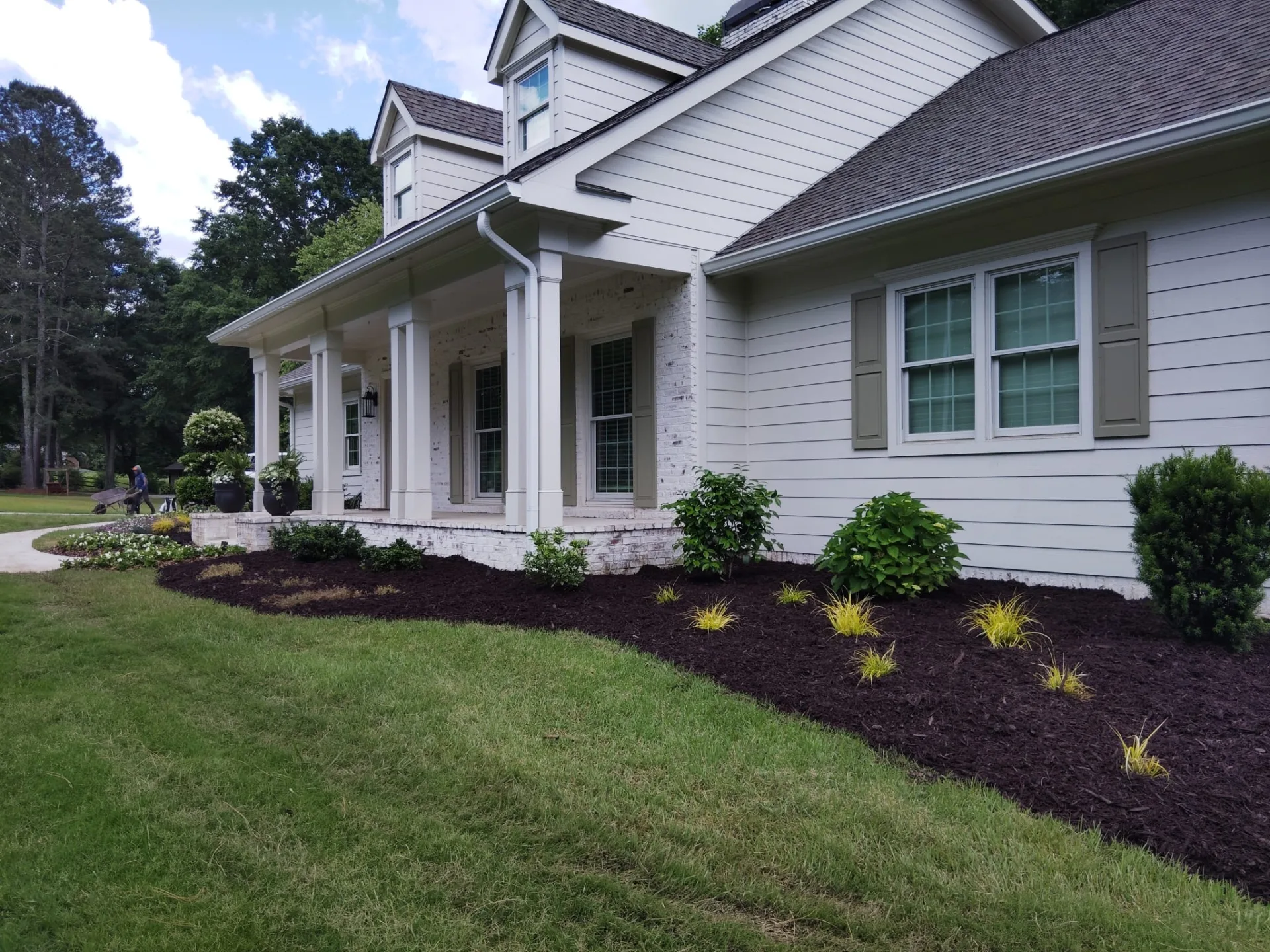
Brown mulch is a type of organic ground cover made from natural or dyed plant materials, applied to garden beds to suppress weeds, retain soil moisture, and regulate soil temperature. You will find it in two main forms: mulch that is naturally brown because of its source material, and mulch that starts as recycled wood chips and gets color-enhanced to achieve that warm, earthy tone. Both types serve the same core landscaping functions, but they differ significantly in composition, safety, and long-term soil impact. Understanding those differences helps you choose the right product for your garden and your family.
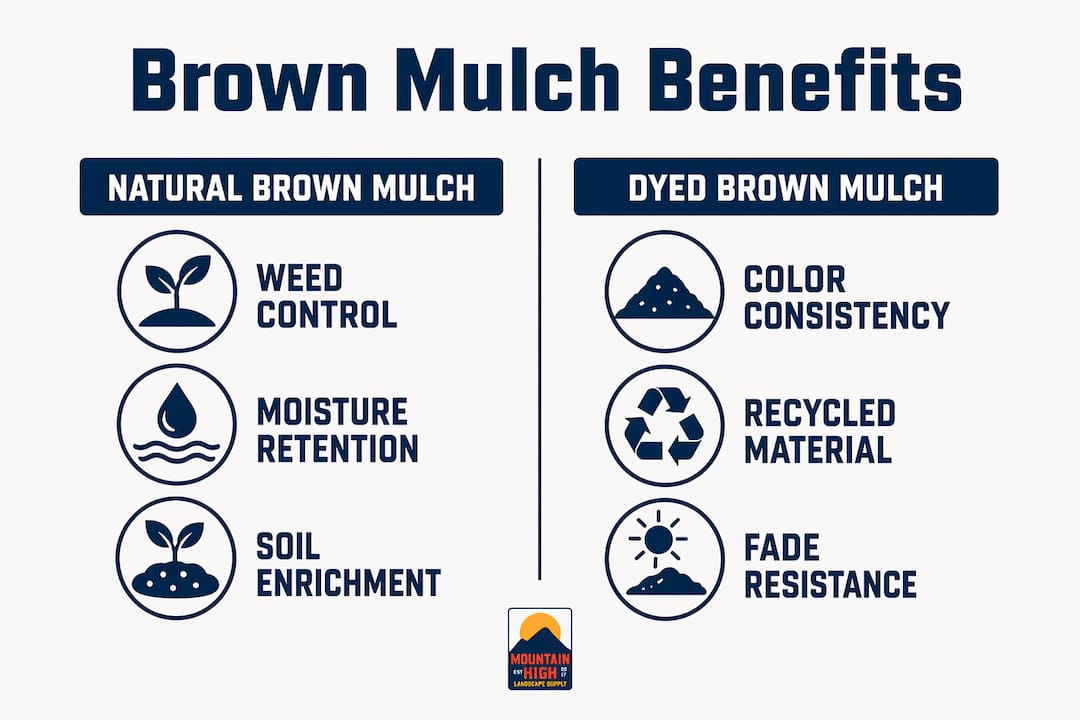
Brown mulch is generally organic, produced from decomposed plant and wood materials including bark, wood chips, shredded leaves, straw, and grass clippings. The natural brown color comes from tannins present in the source material, particularly in pine bark and hardwood chips. This is the type of mulch most gardeners picture when they think of a well-maintained flower bed or tree ring.
Dyed brown mulch takes a different path. Manufacturers grind recycled wood waste into chips, then apply iron oxide or carbon-based colorants to achieve a consistent brown shade. The color itself is not the concern. The concern is what the recycled wood originally was. Pallets, construction lumber, and other reclaimed materials can carry chemical treatments that you do not want near your vegetable garden or children’s play areas.
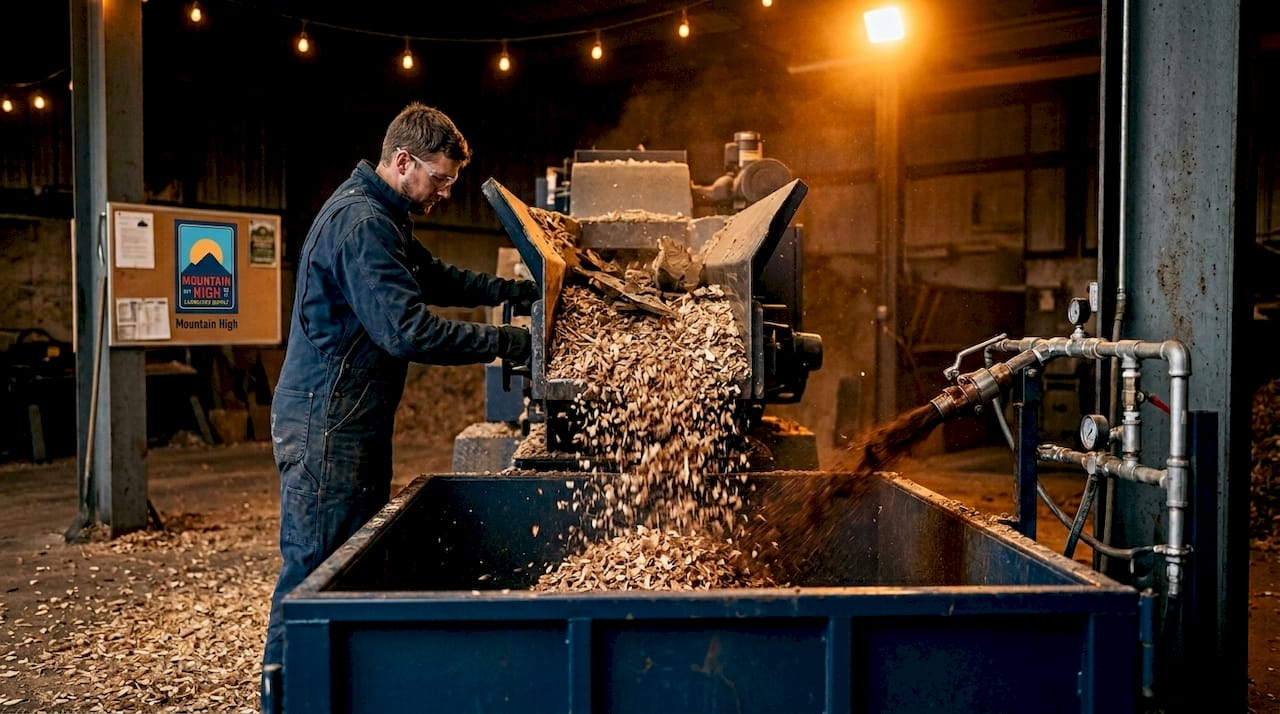
Pro Tip: When buying dyed mulch, ask the supplier for documentation on the feedstock source. Reputable suppliers can tell you exactly where the wood came from.
| Property | Natural brown mulch | Dyed brown mulch |
|---|---|---|
| Color source | Tannins in bark or wood | Iron oxide or carbon colorants |
| Primary materials | Pine bark, hardwood chips, shredded leaves | Recycled wood chips, pallets, reclaimed lumber |
| Soil benefit | Decomposes and enriches soil over time | Slower to enrich; depends on feedstock quality |
| Safety profile | Low risk when sourced from untreated wood | Risk tied to feedstock; buy from certified suppliers |
| Fade rate | Gradual, weathers to gray-brown naturally | Color holds longer but fades unevenly |
Mulch’s value comes from functional benefits like weed suppression and soil temperature regulation, not just decorative use. Brown mulch delivers all of these advantages while blending naturally with most garden styles. Here are the five benefits that matter most to homeowners:
Pro Tip: Refresh your brown mulch layer each spring. Add just enough to bring the depth back to 2 to 3 inches rather than piling on a full new layer, which can cause compaction and block airflow.
Brown color does not indicate safety or toxicity. The real question is what the mulch is made from. Dyed mulches carry risk when the recycled wood feedstock includes treated lumber containing chromated copper arsenate (CCA) or ammoniacal copper zinc arsenate (ACZA). These compounds can leach into soil and affect plant health over time.
Gardening guidance in 2026 advises avoiding dyed mulch when the feedstock source is unclear. Natural shredded bark and wood chip mulches from untreated trees carry a much lower risk profile and actively improve soil health as they break down. For vegetable gardens and areas where children play, natural mulch is the clear choice.
Here is what to look for when selecting safe brown mulch:
One common scare that is actually harmless: white or yellow foam appearing in your mulch bed. That foam is slime mold, which feeds on decaying organic matter and poses no threat to plants. It appears in warm, damp conditions and typically resolves on its own as weather changes.
Brown mulch blends naturally with most landscapes and fades subtly over time, making it the most versatile color choice for residential gardens. Black mulch creates a bold, high-contrast look that makes green foliage pop, but it fades to gray more noticeably as the season progresses. Red mulch delivers vivid color impact, which works well in formal or commercial settings but can feel out of place in naturalistic garden designs.
| Mulch color | Best use case | Fade pattern | Aesthetic tone |
|---|---|---|---|
| Brown | Naturalistic, cottage, woodland gardens | Gradual, weathers gracefully | Warm, earthy, versatile |
| Black | Modern, minimalist, formal landscapes | Fades to gray; more noticeable | Bold, high contrast |
| Red | Commercial, formal, statement beds | Fades unevenly; vivid initially | Striking, dramatic |
For most Atlanta-area homeowners, brown mulch is the practical default. It works with brick, stone, wood fencing, and nearly any plant palette without demanding attention.
Proper installation makes the difference between mulch that works and mulch that causes problems. Follow these steps for best results:
Pro Tip: Buy brown mulch in bulk from a local landscape supply yard rather than bagged from a big-box store. Bulk mulch is typically fresher, less compressed, and significantly cheaper per cubic yard for larger projects.
Brown mulch is the most versatile and practical ground cover choice for most home gardens, delivering weed control, moisture retention, and soil enrichment when sourced from quality, untreated materials.
| Point | Details |
|---|---|
| Composition matters | Natural bark and wood chip mulches outperform dyed recycled wood in safety and soil benefit. |
| Apply at the right depth | 2 to 3 inches delivers optimal weed suppression and moisture retention without blocking airflow. |
| Color does not equal safety | Brown mulch can be safe or risky depending on feedstock; always verify the source. |
| Brown beats other colors for versatility | Brown mulch fades gracefully and suits nearly every garden style, unlike black or red options. |
| Slime mold is harmless | White foam in mulch is slime mold, not a plant threat; aerate and let it resolve naturally. |
After years of working with homeowners across the Atlanta metro area, the most common mulch mistake I see is choosing product based on price per bag without asking what is actually in it. Dyed brown mulch from an unknown recycled wood source might look identical to premium shredded pine bark in the bag, but the long-term difference in your soil health is real. Natural mulch feeds your garden as it breaks down. Recycled wood mulch of uncertain origin can introduce compounds you did not plan for.
My personal recommendation for most residential gardens is shredded hardwood bark or pine bark mulch in natural brown. It looks great, performs well, and you can trust what it is doing to your soil. If you want the right mulch for Atlanta gardens, match the material to your plants and your soil type, not just the color on the bag. Brown is a starting point, not a guarantee of quality.
— Eric
At Mountainhighmulch, we supply natural and dyed brown mulch to homeowners and contractors across Atlanta, Marietta, Smyrna, and surrounding communities. Our team is transparent about feedstock sources, so you always know what you are putting in your garden.

Whether you need a few cubic yards for a flower bed refresh or a full landscape installation, we offer pickup from our Marietta and Smyrna yards and reliable delivery throughout the metro area. Our Atlanta homeowner landscape guide walks you through product selection, quantities, and installation tips to get your project right the first time. Visit us or call our team to get started.
Brown mulch is made from organic materials including pine bark, hardwood chips, shredded leaves, straw, or grass clippings. Some brown mulch is dyed recycled wood chips, where the brown color comes from iron oxide or carbon-based colorants rather than the natural material.
Yes. Natural brown mulch suppresses weeds, retains soil moisture, regulates root temperature, and enriches soil as it decomposes. The key is choosing mulch made from untreated wood or bark rather than recycled wood waste of unknown origin.
Apply brown mulch at 2 to 3 inches deep for best results. Thinner layers allow weeds to push through, while layers deeper than 4 inches restrict airflow to roots and can promote mold growth.
Brown mulch fades gradually and blends with most garden styles, making it the more versatile choice. Black mulch creates stronger visual contrast but fades to gray more noticeably over a single season. Both perform similarly in terms of weed suppression and moisture retention.
White foam in mulch is slime mold, a harmless organism that feeds on decaying organic matter. It is not a threat to your plants. Rake the mulch lightly to improve airflow and the slime mold will typically disappear as conditions dry out.