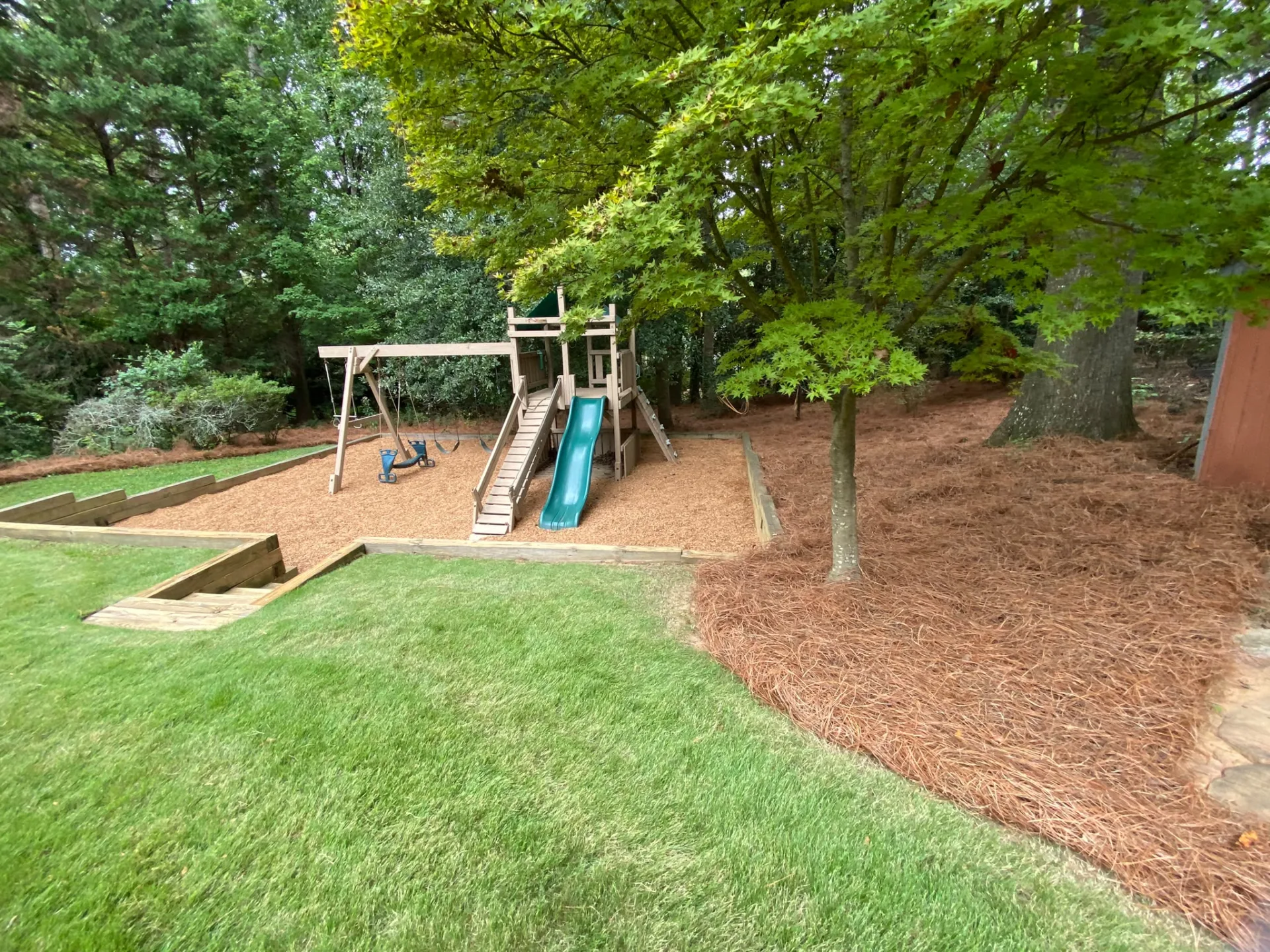
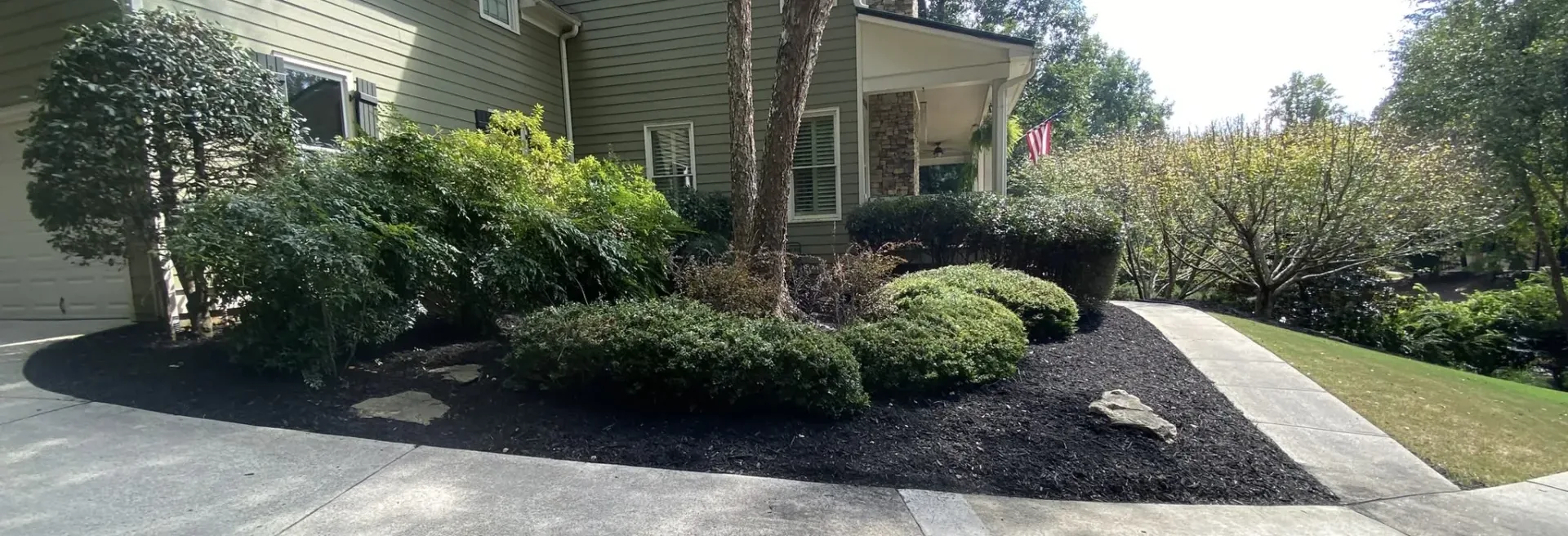
Many homeowners and landscaping professionals believe garden stone is simply decorative rocks scattered around flower beds. In reality, garden stone encompasses various natural rock materials used for both functional and aesthetic purposes in outdoor spaces. Understanding the different types, applications, and benefits of garden stone helps you make informed decisions for your Atlanta landscaping projects. This guide clarifies what garden stone truly is, explores the differences between popular types, and provides practical insights for selecting and using these materials effectively in your yard.
| Point | Details |
|---|---|
| Functional and decorative | Garden stone provides both practical and aesthetic benefits in outdoor spaces, not just ornamental rocks. |
| Popular stone types | Fieldstone, pea gravel, boulders, river rock, and crushed stone offer distinct textures and uses across pathways, borders, drainage, and focal features. |
| Climate driven selection | Choosing stone should reflect Atlanta’s hot humid summers and mild winters to ensure durability and performance. |
| Installation matters | Proper base preparation, weight considerations, and placement planning maximize stone benefits and longevity. |
Garden stone refers to various natural rocks used in landscaping for both functional and decorative roles. These materials range from small pebbles to large boulders, each serving distinct purposes in outdoor design. Unlike manufactured products, garden stones are naturally formed materials that bring authentic texture and color to your landscape.
Atlanta homeowners have access to several popular garden stone types. Fieldstone consists of naturally weathered rocks collected from fields and streams, offering rustic charm with irregular shapes and earthy tones. Pea gravel features small, rounded stones about pea-sized that work perfectly for pathways and drainage areas. Boulders are large statement pieces that create focal points and natural-looking borders. River rock includes smooth, water-worn stones in various sizes, ideal for decorative beds and water features. Crushed stone consists of mechanically broken rock fragments with angular edges, excellent for stable bases and pathways.
Each stone type offers unique characteristics suited to Atlanta’s climate. Fieldstone thick stack provides excellent durability against Georgia’s humid summers and occasional freezes. Pea gravel drains efficiently during heavy rainfall, preventing water accumulation. River rock resists weathering and maintains its appearance year after year.
Common applications for garden stone include:
Fieldstone offers natural beauty and durability but can be expensive and heavy to install. Pea gravel provides affordable drainage solutions and easy installation, though it may scatter outside borders. Boulders create dramatic visual impact and require minimal maintenance, yet demand professional placement due to weight. River rock delivers smooth aesthetics and longevity but costs more than crushed alternatives. Crushed stone compacts well for stable surfaces and drains effectively, though its angular appearance may not suit formal gardens.
Choosing the right stone depends on project purpose, style, and local climate. Atlanta’s hot, humid summers and mild winters create specific considerations for stone selection. Understanding how different types perform in these conditions helps you avoid costly mistakes and achieve lasting results.
| Stone Type | Appearance | Cost Range | Maintenance | Best Uses | Drainage Impact |
|---|---|---|---|---|---|
| Fieldstone | Rustic, irregular, earthy tones | $$$$ | Low | Walls, borders, accents | Moderate |
| Pea Gravel | Small, rounded, uniform | $$ | Moderate | Pathways, drainage beds | Excellent |
| Boulders | Large, dramatic, natural | $$$$$ | Very Low | Focal points, borders | Low |
| River Rock | Smooth, polished, varied colors | $$$ | Low | Decorative beds, water features | Good |
| Crushed Stone | Angular, compact, industrial | $ | Low | Pathways, bases, driveways | Very Good |
Fieldstone excels in Atlanta landscapes where traditional Southern aesthetics matter. Its natural weathering means it already looks established, blending seamlessly with mature gardens. However, Georgia’s clay soil requires proper base preparation to prevent settling. The stone’s irregular shapes create interesting shadows and textures that change throughout the day.
Pea gravel solves drainage challenges common in Atlanta yards. During spring thunderstorms and summer downpours, this stone allows water to percolate quickly, preventing muddy areas. Its light color reflects heat, keeping pathways cooler underfoot during hot months. The main drawback involves edge containment, as the small stones can migrate into lawn areas without proper borders.
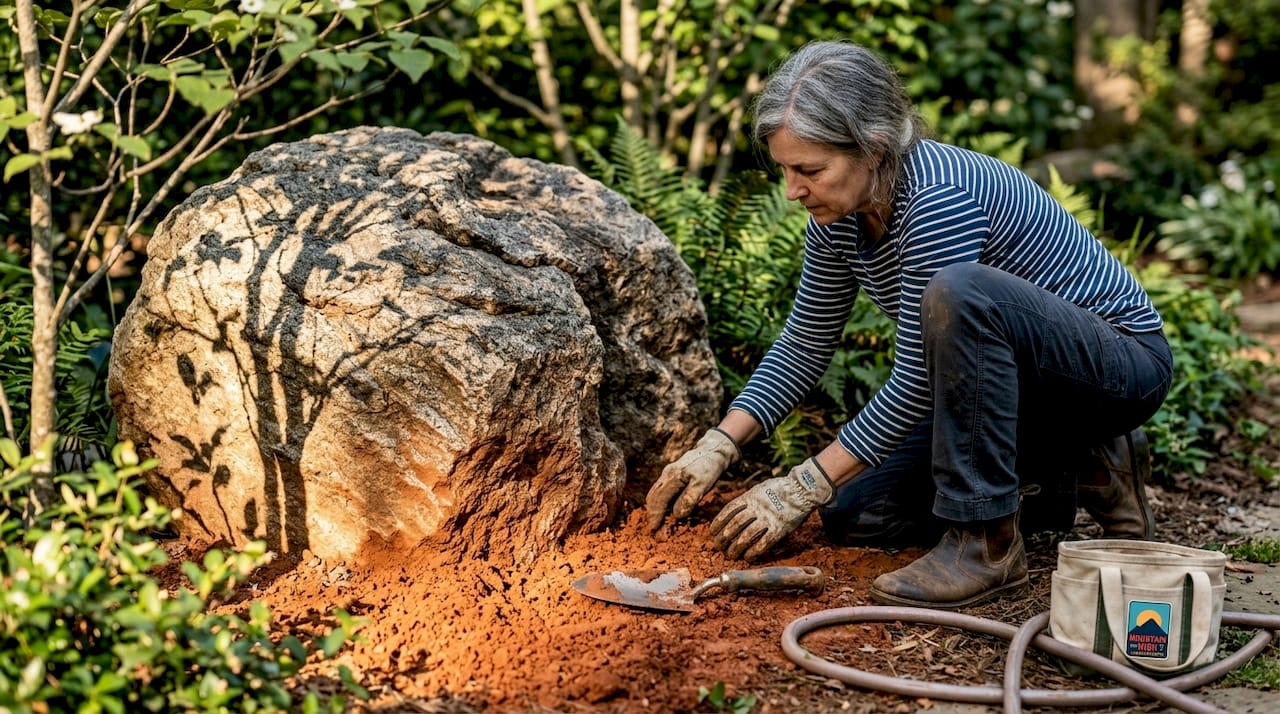
Boulders anchor landscape designs with permanent presence. In Atlanta’s red clay soil, large stones provide visual relief and create natural-looking outcroppings. They work exceptionally well in sloped yards, helping control erosion while adding dimension. Professional installation ensures proper placement and stability.
River rock brings a polished, contemporary look to modern Atlanta landscapes. Its smooth surface resists algae growth better than porous stones, important in humid climates. The variety of available colors allows precise matching with home exteriors and existing hardscapes. Consider using darker river rock in shaded areas where lighter stones might show stains.

Crushed stone delivers practical performance for high-traffic areas. Its angular edges lock together, creating stable surfaces that resist shifting. This characteristic makes it ideal for Atlanta driveways and utility areas. While less decorative than rounded stones, crushed varieties provide unmatched functionality.
Pro Tip: Select stones that complement native Georgia plants like azaleas, dogwoods, and ferns. Lighter colored stones brighten shaded areas under tree canopies, while darker stones create dramatic contrast against green foliage. This harmony between stone and plantings creates cohesive, sustainable landscapes that thrive with minimal intervention.
Successful garden stone projects start with careful planning and proper installation techniques. Following efficient installation workflows ensures your stone features perform well and look great for years.
Follow these steps to select appropriate garden stone:
Proper installation maximizes the benefits of garden stone. Base preparation determines long-term success more than any other factor. For Atlanta’s clay soil, excavate 4 to 6 inches deep and install landscape fabric to prevent weed growth. Add a 2 to 3 inch layer of compacted gravel as a stable foundation that promotes drainage. This base prevents stones from sinking into soft soil during heavy rains.
Layering techniques vary by stone type and application. Pathways need 2 to 3 inches of walking surface stone over the prepared base. Decorative beds work well with 3 to 4 inches of larger stones. Drainage areas may require 6 inches or more of gravel to handle water volume effectively. Always compact each layer before adding the next.
Edging contains stones and creates clean boundaries. Metal or plastic edging works for curved designs, while natural stone borders suit formal layouts. In Atlanta landscapes, proper edging prevents stones from migrating into lawn areas where they can damage mower blades. Install edging flush with or slightly above the surrounding grade.
Pro Tip: Integrate stone features with mulch beds and plantings for cohesive landscaping. Use stone for high-traffic or wet areas where mulch would decompose quickly, then transition to organic mulch around plantings. This combination provides practical benefits while creating visual interest through contrasting textures.
Maintenance preserves appearance and function over time. Remove leaves, pine needles, and debris monthly to prevent organic buildup that traps moisture and encourages weed growth. Rinse stones twice yearly with a garden hose to clear accumulated dirt and pollen, especially important in Atlanta’s high pollen seasons. Inspect edges annually, resetting any displaced stones and refreshing border materials as needed.
Address weeds promptly by hand-pulling or spot-treating with appropriate products. Prevent future growth by maintaining landscape fabric integrity and keeping stone layers at proper depth. For pea gravel and small stones, rake periodically to redistribute material and maintain even coverage.
While garden stone offers numerous benefits, other landscaping materials complement or substitute for stone in specific applications. Understanding these alternatives helps you create balanced, functional outdoor spaces.
Materials that work alongside garden stone include:
| Material | Durability | Aesthetics | Cost | Primary Function | Best Application |
|---|---|---|---|---|---|
| Garden Stone | Excellent (permanent) | Natural, varied | Medium to High | Drainage, pathways, decoration | High-traffic areas, wet zones |
| Natural Mulch | Low (decomposes) | Organic, warm tones | Low | Soil health, weed control | Planting beds, around trees |
| Screened Topsoil | N/A (substrate) | Dark, rich | Low | Plant growth, grading | Garden beds, lawn areas |
| River Sand | Good | Fine, neutral | Low | Leveling, drainage | Paver bases, soil amendment |
Using complementary materials like mulch and topsoil enhances overall garden health and appearance. Organic mulches decompose gradually, adding nutrients to soil and improving structure over time. This biological activity benefits plants but means mulch requires replenishment every 1 to 2 years. In contrast, stone remains permanent but provides no nutritional value.
Choose mulch over stone in planting beds where you want to improve soil quality. The decomposition process creates humus that retains moisture and supports beneficial microorganisms. Atlanta’s heat accelerates decomposition, making organic mulch particularly valuable for maintaining soil health during long summers.
Select stone over mulch in areas with drainage challenges or heavy foot traffic. Stone won’t float away during storms or compact under repeated use. Around downspouts and in swales, stone manages water flow without washing away. Along pathways and in play areas, stone provides durable surfaces that mulch cannot match.
Screened topsoil serves different purposes entirely. Use it to establish new planting beds, level uneven areas, or improve existing soil quality before adding stone or mulch. Quality topsoil provides the foundation for healthy plant growth, while stone and mulch protect and enhance the surface.
Combining materials strategically optimizes both function and beauty. Create transitions between stone pathways and mulched beds by overlapping materials slightly. Use stone as a decorative border around mulched areas to contain organic material and create definition. Install stone in problem spots like under eaves or around air conditioning units, then use mulch throughout the rest of the bed.
Consider maintenance requirements when mixing materials. Stone needs occasional cleaning but lasts indefinitely. Mulch requires annual replenishment but improves soil continuously. Topsoil needs no maintenance once incorporated but should be tested periodically to monitor pH and nutrient levels. Balancing these materials creates landscapes that look great while supporting plant health and minimizing upkeep.
When you’re ready to start your garden stone project, sourcing quality materials from a reliable local supplier makes all the difference. Mountain High Landscape and Hardscape Supply serves Atlanta, Marietta, and Smyrna with premium garden stones and complementary landscaping products.
Our clean, organized supply yards in Marietta and Smyrna make selecting materials easy. Browse options like pea gravel for drainage solutions and pathways, or fieldstone thick stack for borders and decorative features. We also carry natural mulch and screened topsoil to complete your landscaping vision.

Whether you’re a homeowner tackling a weekend project or a professional contractor managing multiple jobs, our expert team provides personalized guidance. Pick up materials yourself from our convenient locations, or take advantage of our reliable delivery service throughout metro Atlanta. We also offer professional installation for larger projects. Trust us for quality products, competitive pricing, and the world-class service that has made us Georgia’s leading landscape supply company.
Fieldstone, pea gravel, and boulders perform exceptionally well in Atlanta’s climate, offering durability against humidity and temperature fluctuations. River rock suits drainage areas and water features, while crushed stone creates stable pathways and driveways. Choose based on your specific project needs, aesthetic preferences, and budget constraints.
Remove leaves, debris, and weeds monthly to prevent organic buildup and maintain clean appearance. Rinse stones twice yearly with a garden hose to clear accumulated dirt, pollen, and dust. Check edging and base materials annually, resetting any displaced stones and refreshing borders as needed to preserve definition and prevent migration.
Garden stone like pea gravel and crushed rock significantly improves water flow in wet areas by creating permeable surfaces. Proper installation with landscape fabric and a compacted gravel base prevents pooling and erosion during Atlanta’s heavy rainfall. Stone drainage solutions last indefinitely, unlike organic materials that decompose and lose effectiveness.
Calculate area in square feet, then multiply by desired depth in feet to get cubic feet needed. Divide cubic feet by 27 to convert to cubic yards, the standard purchasing unit. Add 10% extra for waste, cuts, and future repairs. Our team at Mountain High can help verify calculations and recommend appropriate quantities.
Small projects like decorative beds and simple pathways work well as DIY projects with proper preparation and tools. Larger installations involving grading, drainage systems, or heavy boulders benefit from professional expertise and equipment. Consider your physical capabilities, available time, and project complexity when deciding. Professional installation ensures proper base preparation and long-term performance.