Landscape peat is organic matter formed from partially decomposed plant material that accumulated over hundreds to thousands of years in waterlogged, low-oxygen wetland environments. In professional horticulture, it is more precisely called peat moss or peat soil, depending on its plant origin and intended use. Gardeners and landscapers value it primarily as a soil conditioner: it lightens clay soils, binds sandy soils, and creates the acidic conditions that plants like azaleas, blueberries, and rhododendrons require. Understanding what landscape peat is, how it forms, and where it fits in a responsible planting plan will help you use it more effectively and more consciously.
Landscape peat forms when plant material decays slowly under anaerobic, waterlogged conditions that prevent full decomposition. Without oxygen, microbial activity slows dramatically, and organic matter builds up layer by layer over centuries. Botanists define peatlands as terrain with peat layers at least 30 cm deep, and peat soils must contain at least 20% partially decomposed organic matter accumulated under these anoxic conditions.
The plant origin of peat matters more than most gardeners realize. Sphagnum moss peat differs markedly from sedge peat or woody peat in drainage capacity, pH buffering, and texture. Sphagnum peat is the most common horticultural grade: it is fibrous, highly absorbent, and reliably acidic. Sedge and woody peats tend to be denser and less consistent in performance. Choosing the right type for your project depends on knowing which plant origin you are working with.
Key landscape peat characteristics include:
Peatlands cover just 3% of Earth’s surface but store nearly 30% of global soil carbon. That statistic explains why peat extraction is now under serious environmental scrutiny worldwide.
Landscape peat improves soil physical structure without directly supplying plant nutrients. Its high cation exchange capacity stabilizes nutrient availability to plant roots, meaning it helps nutrients already present in your soil stay accessible longer. Think of it as a sponge that holds both water and nutrients in place until roots need them.
Here are the most practical uses of landscape peat in gardening and landscaping:
Pro Tip: Peat is dry when you buy it and can resist absorbing water at first. Wet it thoroughly before mixing it into your soil. Dry peat can actually pull moisture away from plant roots in the short term.
Lowland peat, with its slightly acidic to near-neutral pH and high mineral content, is free of chemical additives and works well for broader soil improvement projects where you need both structure and moisture retention without altering pH dramatically.
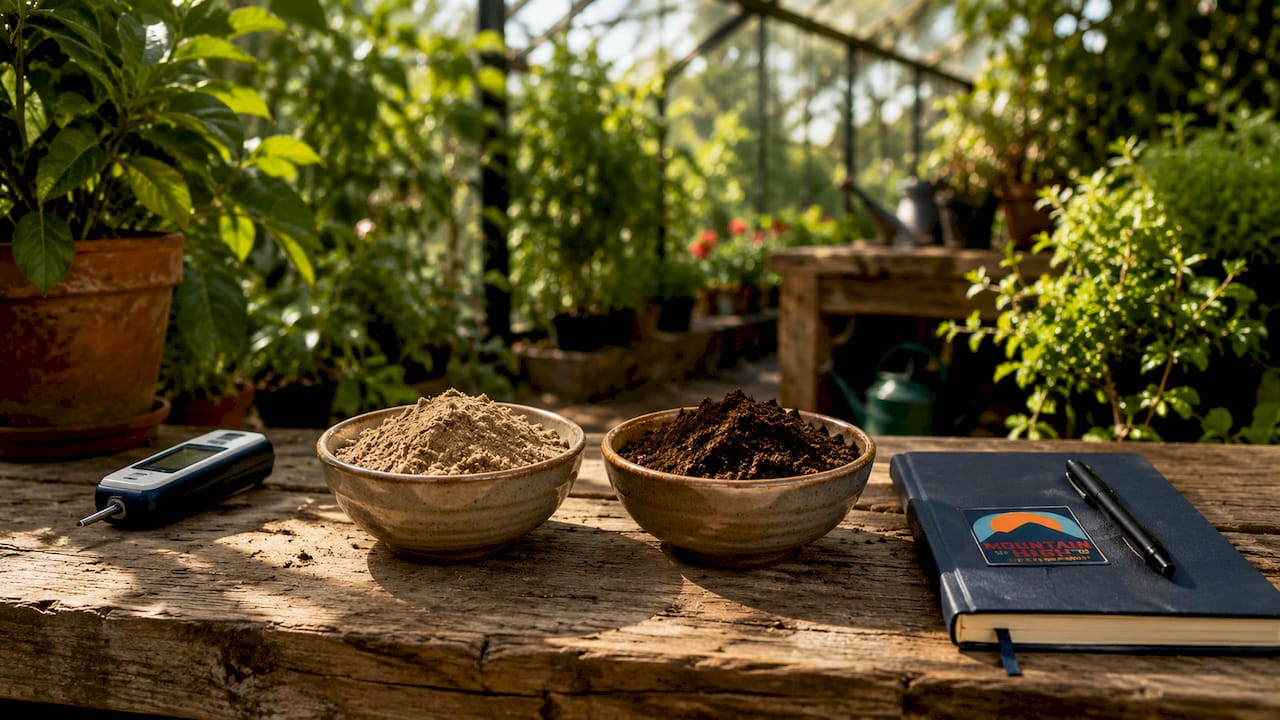
Peatlands are the most carbon-dense ecosystems on Earth. Peatlands store more carbon than all global forests combined, making them irreplaceable in the global carbon cycle. When peat is extracted, that stored carbon is exposed to oxygen and begins to decompose, releasing CO2 and transforming a carbon sink into a carbon source.
Key environmental concerns with peat extraction include:
“Extraction of peat exposes stored carbon to oxidation and decomposition, transforming peatlands from carbon sinks into carbon sources.” What is a Peatland? A Comprehensive Review
Paludiculture, a wetland farming practice, is emerging as a responsible alternative. It involves farming wet peatlands without draining them, sustaining ecosystem functions while still producing usable biomass. The future of peat use is shifting toward sustainable models like paludiculture that keep wetlands intact. For environmentally conscious homeowners and landscapers, sourcing peat from certified, responsibly managed operations is the minimum standard in 2026.
Peat soil is not the same as topsoil. Topsoil contains mineral matter and a broader nutrient profile, while peat is almost entirely organic and acidic. Knowing when to use peat versus a different amendment saves you money and produces better results.
| Amendment | pH | Nutrients | Moisture Retention | Environmental Impact |
|---|---|---|---|---|
| Landscape Peat | 5.0–6.5 (acidic) | None direct | Very high | High (carbon release) |
| Compost | 6.0–8.0 (variable) | Moderate | Moderate | Low |
| Coconut Coir | 5.5–6.5 (near neutral) | None direct | High | Low to moderate |
| Aged Manure | 6.0–7.5 (near neutral) | High | Moderate | Low |
| Synthetic Amendments | Variable | Variable | Variable | Moderate to high |
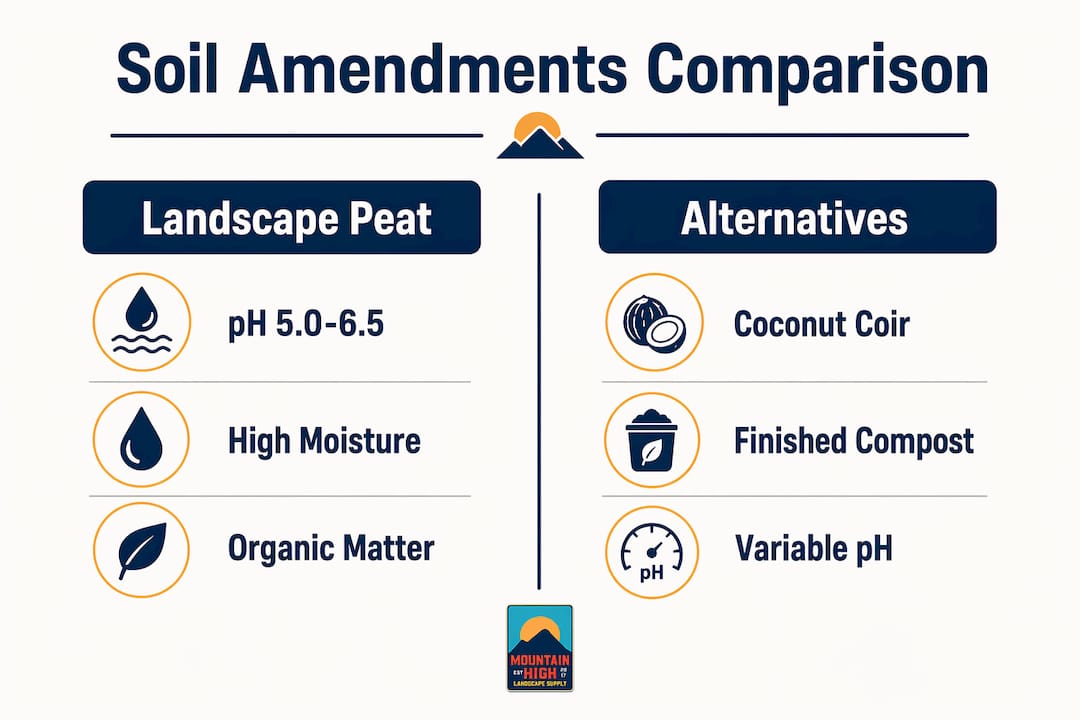
Peat alternatives like coconut coir and compost offer varying balances of moisture retention, pH, and environmental footprint. Coconut coir performs similarly to Sphagnum peat in moisture retention and pH but is a byproduct of coconut processing, making it a lower-impact choice. Compost adds nutrients that peat does not, making it the better general-purpose amendment for most home gardens. Peat remains the top choice specifically when you need reliable acidity and a pathogen-free seed starting environment. For a broader look at how these materials stack up, the top soil products for 2026 comparison covers the full range of options available to Atlanta-area gardeners.
Landscape peat is a powerful soil conditioner for acid-loving plants and seed starting, but its environmental cost requires thoughtful sourcing and selective use.
| Point | Details |
|---|---|
| Peat is a soil conditioner, not a fertilizer | It improves structure and moisture retention but does not supply plant nutrients directly. |
| Plant origin determines performance | Sphagnum peat differs from sedge or woody peat in drainage, pH, and texture. |
| Peat suits acid-loving plants best | A pH of 5.0–6.5 makes it ideal for azaleas, blueberries, and rhododendrons. |
| Environmental impact is significant | Peat extraction releases stored carbon; choose certified or sustainably sourced products. |
| Alternatives exist for most uses | Coconut coir and compost can replace peat in many applications with a lower ecological footprint. |
After working with Georgia soils across Atlanta, Marietta, and Smyrna for years, my honest view is this: peat is one of the most misused products in home gardening. People reach for it as a default soil fixer when compost or organic topsoil would do the job better and at lower cost. Peat earns its place in two specific situations: when you are starting seeds and need a clean, pathogen-free medium, and when you are establishing beds for acid-loving plants in soils that simply will not acidify any other way.
What I have also seen is that gardeners rarely account for peat type. They buy a bag labeled “peat moss” and assume it will perform identically to what they used last season. The variability between Sphagnum peat and lower-grade sedge or woody peats is real, and it shows up in drainage rates and pH stability. Ask your supplier what you are actually getting.
The environmental conversation around peat has shifted noticeably in the past two years. I think that shift is correct. Using peat sparingly, sourcing it responsibly, and pairing it with compost or organic topsoil is the approach I recommend to every homeowner and contractor we work with. It is not about avoiding peat entirely. It is about using it where nothing else performs as well, and choosing alternatives everywhere else.
— Eric
Whether you are conditioning a new planting bed, starting seeds, or building the right environment for blueberries and azaleas, Mountainhighmulch carries the materials you need to get it right the first time.

Mountainhighmulch serves Atlanta, Marietta, Smyrna, and the surrounding metro area with premium landscape supply products including topsoil, mulch, sand, gravel, and sod. Our team helps homeowners and professional contractors choose the right amendment for every project. Pick up from our Marietta or Smyrna locations, or let us deliver directly to your site. Visit our 5-star landscape supply page to browse our full product selection and get started on your next project with confidence.
Landscape peat is used as a soil conditioner to improve aeration in clay soils, increase moisture retention in sandy soils, and lower pH for acid-loving plants like azaleas and blueberries. It is also a preferred medium for seed starting due to its low weed seed and pathogen content.
No. Peat is primarily organic matter with an acidic pH and high moisture retention, while topsoil contains mineral matter and a broader nutrient profile. Peat holds more moisture but lacks the nutrient availability that topsoil provides.
Acid-loving plants benefit most, including azaleas, blueberries, rhododendrons, camellias, and gardenias. These plants thrive in the 5.0–6.5 pH range that peat naturally creates and maintains.
Coconut coir and finished compost are the two most practical alternatives. Coconut coir matches peat’s moisture retention and pH range with a lower environmental footprint, while compost adds nutrients that peat does not provide.
Peat does not supply nutrients directly. It improves soil structure and its high cation exchange capacity helps stabilize the nutrients already present in your soil, making them more accessible to plant roots over time.