Landscape timbers are the right choice when you need an affordable, DIY-friendly material for low retaining walls, raised beds, edging, or garden steps. They cost less than stone or concrete, cut and fasten with standard tools, and deliver a natural wood look that blends with planting schemes far better than masonry or metal. The tradeoff is lifespan: even well-built timber walls typically last 15–25 years, shorter than poured concrete, and maintenance matters. Chemical safety is also a real consideration if you grow food.
Quick pros and cons before you read further:
Read the types section and decision checklist below to match wood versus synthetic to your specific project.
Not all timbers perform the same way in the ground, and picking the wrong category is the most common reason a project fails early. Here is how the main options compare.
| Type | Typical Lifespan | Ground Contact | Edible Bed Safe? | Cost Range | Best Use |
|---|---|---|---|---|---|
| Cedar (untreated) | >10 years | Limited | Yes | Moderate–High | Raised beds, edging |
| Redwood (untreated) | >10 years | Limited | Yes | High | Raised beds, borders |
| Cypress (untreated) | >10 years | Limited | Yes | Moderate–High | Edging, low walls |
| Pressure-treated pine (UC4A/UC4B) | 15–25 years | Yes | No | Low–Moderate | Retaining walls, steps |
| Synthetic / recycled plastic | 25+ years | Yes | Yes | High upfront | Long-life edging, raised beds |
Natural rot-resistant species (cedar, redwood, cypress) are chemically safer for plant contact and a good choice for ornamental or edible beds. The downside is cost: full-dimension cedar or redwood timbers can be harder to source locally and carry a higher price tag than treated pine.
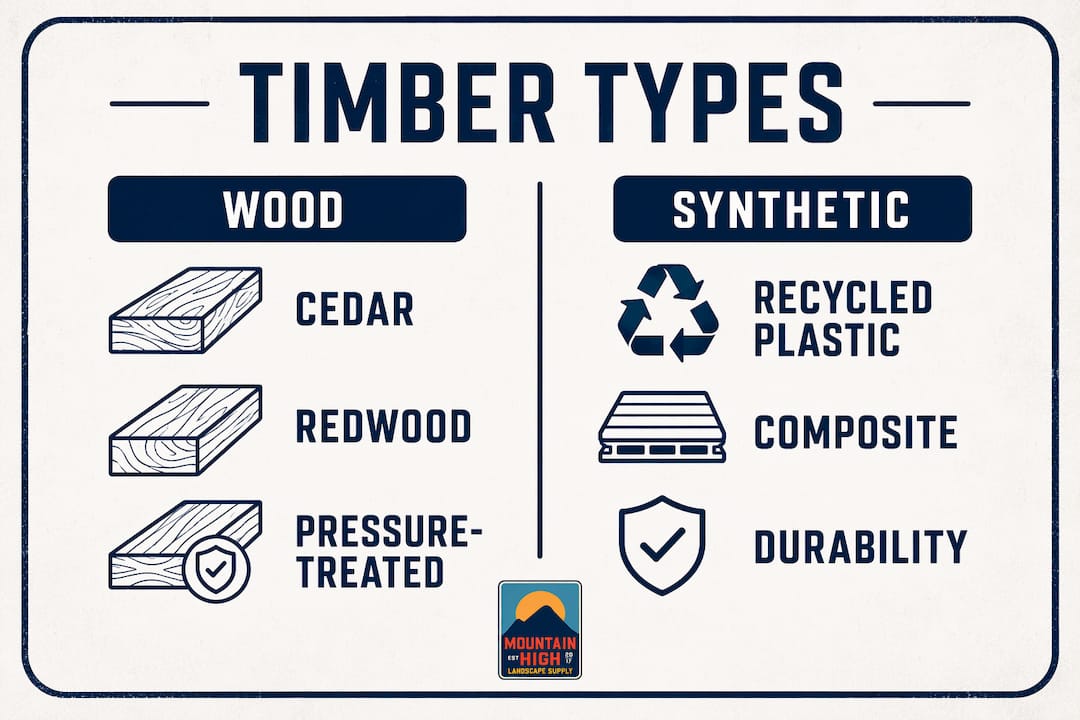
Pressure-treated pine is the workhorse of the category. Look for the UC4A or UC4B ground-contact rating stamped on the end tag. Above-ground-rated lumber placed directly in soil is one of the most common causes of premature rot. Treated timbers resist rot and insects well, but preservatives may leach into soil, so keep them away from vegetable beds.
Synthetic timbers made from recycled plastic are chemical-free for soil contact and carry the longest service life of any option. They do not rot or attract insects. Tradeoffs include a higher upfront cost, a slightly different appearance from natural wood grain, and different fastening behavior (pre-drilling is usually required to avoid splitting).
Railroad ties and reclaimed wood deserve a specific warning. Older railroad ties often contain creosote, a preservative that is not recommended for residential garden use due to potential toxicity. Unknown treatment histories in reclaimed wood create similar uncertainty. Unless you can verify the treatment type, avoid both for any bed where soil contact or edible plants are involved.
Timbers earn their place in the yard because they solve real problems without requiring specialized skills or heavy equipment. Here are the most common uses and the practical advantages behind each.
The core reason landscape professionals and DIYers keep reaching for timbers is workability: a circular saw, a drill, and a few rebar spikes are all you need to build a functional retaining wall in a weekend. Stone requires cutting equipment, mortar skills, or a contractor. Concrete requires forms, mixing, and curing time. Timbers skip all of that.
Wood grain and natural texture also integrate with planting better than more industrial materials. A cedar-framed raised bed looks like it belongs in the garden; a concrete block wall rarely does. Timbers also serve a dual function: they contain soil structurally while raising the bed height to a more ergonomic working level, reducing the physical strain of gardening over time.
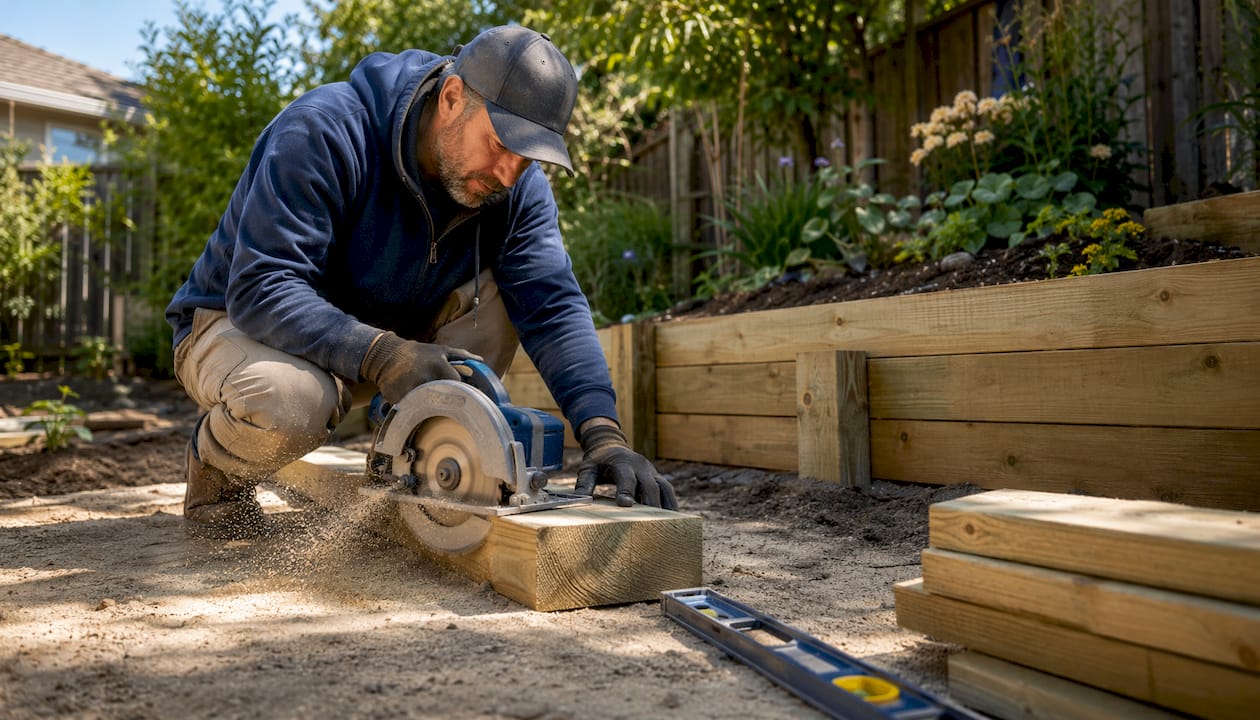
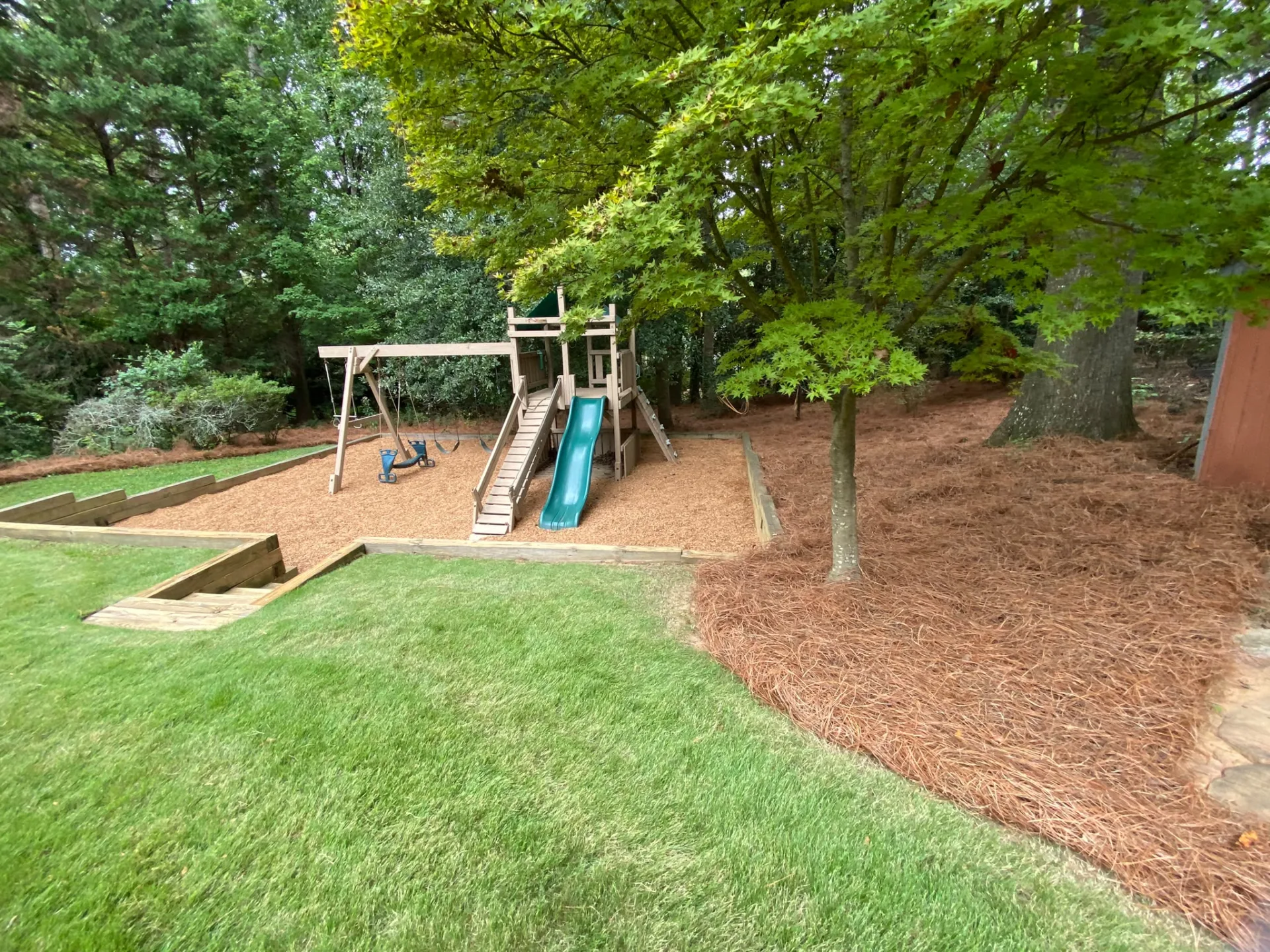
A practical example: a two-tier terraced bed on a gentle backyard slope can be built with two courses of 6×6 pressure-treated timbers per tier, rebar anchoring, and a gravel drainage trench behind each course. The result is a stable, attractive structure that a single homeowner can complete in a weekend with materials sourced locally.
Realistic lifespan expectations and chemical safety are the two questions homeowners ask most often, and both deserve a direct answer.
A properly installed timber wall typically lasts 15–25 years, depending on treatment quality, drainage, soil contact, and maintenance. Synthetic timbers can exceed that range significantly. Natural untreated species fall toward the lower end, particularly in consistently wet climates.
What speeds up decay:
Chemical safety for edible beds is non-negotiable. Standard pressure-treated timbers should not be used for vegetable or herb beds. For food-growing areas, choose untreated rot-resistant species (cedar, redwood, cypress) or synthetic recycled-plastic timbers, which avoid any risk of preservative leaching into soil entirely.
Termite risk is real, particularly when timbers are placed close to a house foundation or against soil that stays moist. Placement near the foundation increases termite exposure. Keep timbers at least a few inches from foundation walls, maintain good drainage, and inspect annually for early signs of insect activity.
Annual maintenance checklist:
Pro Tip: Seal every cut end immediately after sawing with an end-cut preservative or exterior wood sealant. End grain absorbs moisture far faster than face grain, and unsealed cuts are where rot almost always starts first.
Good installation is what separates a timber structure that lasts 20 years from one that fails in five. Follow this sequence for a low retaining wall or raised bed.
Tools and materials checklist:
Safe wall height: For DIY timber walls without engineered reinforcement, keep the finished height at or below 3 feet (roughly three to four courses of 6×6 timber). Walls above that height require deadman anchors extending back into the slope, and walls above 4 feet generally need a structural engineer’s review. Check your local building department for permit requirements before starting.
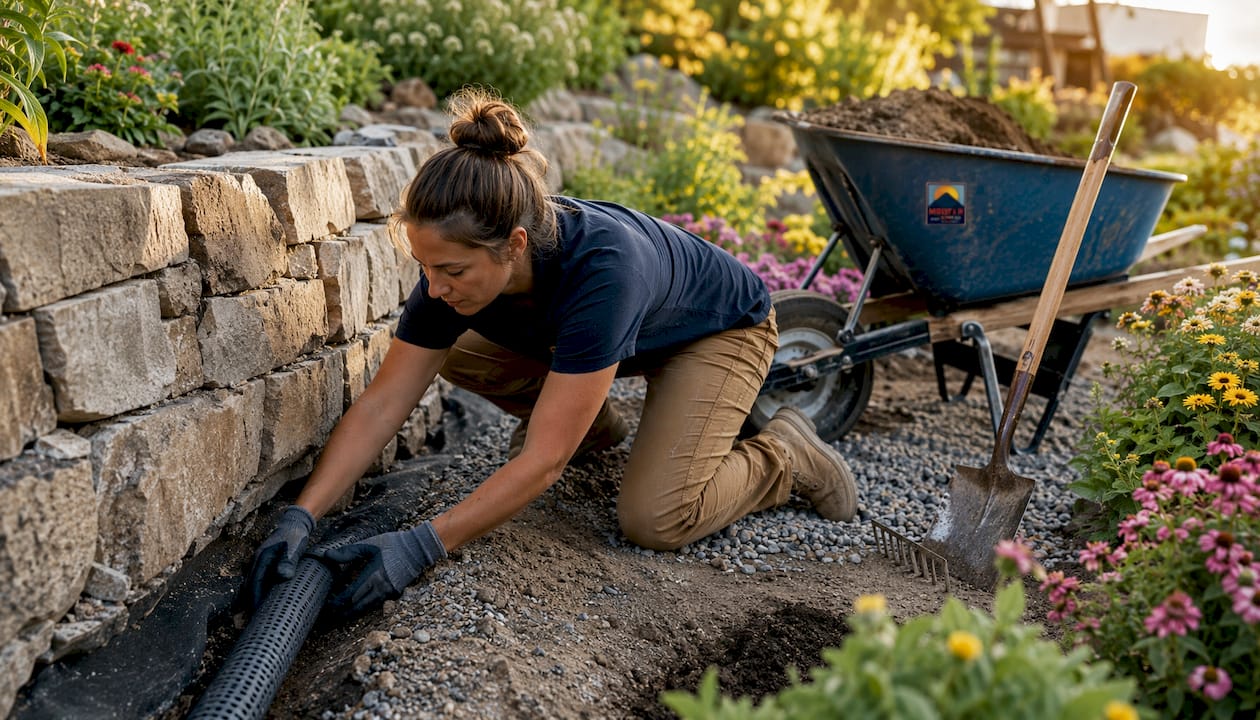
Pro Tip: Install a perforated drain pipe at the base of the gravel zone behind retaining walls and route it to a daylight outlet at the wall’s end. Hydrostatic pressure from trapped water is the leading cause of timber wall failure, and a simple drain outlet eliminates it.
The right material depends on four factors: soil contact with edible plants, desired lifespan, budget, and appearance preference. Work through this checklist before you buy.
Choose untreated cedar, redwood, or cypress when:
Choose pressure-treated pine (UC4A/UC4B) when:
Choose synthetic recycled-plastic timbers when:
On cost shape: pressure-treated pine is the lowest upfront cost. Cedar and redwood sit in the middle. Synthetic timbers cost more initially but eliminate replacement cycles, so the long-term cost per year of service often favors synthetic for permanent installations. For a temporary or short-term project, treated pine is hard to beat on value.
For readers weighing timbers against stone, the comparison on local stone landscaping covers cost and durability tradeoffs in detail. Stone lasts longer but costs more and requires more skill to install. Timbers win on workability and upfront cost for most residential projects under 3 feet.
Sourcing correctly rated material from a reliable supplier is as important as the installation itself. Here is what to verify before you buy.
Questions to ask any supplier:
Inspecting treatment stamps on the end tag is critical. Full-dimension structural timbers are stronger and more consistent than peeler-core stock, which is a lower-grade product sometimes sold at the same label. If the tag does not show a ground-contact rating, do not use that timber in direct soil contact.
Buying options:
For Atlanta-area homeowners, Mountainhighmulch carries pressure-treated timbers with pickup available at Marietta and Smyrna locations, plus delivery throughout the metro area. You can also source complementary materials, including gravel and organic screened topsoil, in the same visit.
Landscape timbers are the most practical and cost-effective choice for DIY retaining walls, raised beds, and edging when workability and natural appearance matter more than maximum lifespan.
| Point | Details |
|---|---|
| Match material to use | Use UC4A/UC4B pressure-treated pine for ground contact; choose cedar, redwood, or synthetic for edible beds. |
| Lifespan expectations | A properly installed timber wall lasts 15–25 years; synthetic timbers typically exceed that range. |
| Drainage is non-negotiable | A gravel base and drain outlet behind retaining walls are the single most important factors in timber longevity. |
| Inspect and maintain annually | Check for soft spots, insect activity, and movement; seal all cut ends at installation and after any future cuts. |
| Mountainhighmulch | Carries pressure-treated timbers with pickup in Marietta and Smyrna, plus delivery across the Atlanta metro area. |
There is a tendency in landscaping content to treat landscape timbers as a beginner’s material, something you graduate away from once you have the budget for stone or concrete. That framing misses the point.
Timbers are not a compromise. They are the correct material for a specific set of conditions: projects under 3 feet, DIY installation, tight budgets, and yards where a natural wood aesthetic genuinely fits the design. The workability advantage is real and significant. A homeowner with a circular saw and a weekend can build a two-tier terraced bed that would take a masonry crew two days and several thousand dollars in stone and labor. That is not a consolation prize; it is the right tool for the job.
Where I think most guides go wrong is on the synthetic question. Recycled-plastic timbers get dismissed as expensive or artificial-looking, but for a permanent raised vegetable bed, they are arguably the only responsible choice. No preservative risk, no replacement cycle, no annual sealing. The higher upfront cost pays back within one replacement cycle of treated wood. For edible beds specifically, the math and the safety case both point the same direction.
The one area where timbers genuinely fall short is permanence. If you are building something you want to outlast your mortgage, stone or concrete is the right answer. But for the vast majority of residential landscape projects, a well-installed timber structure with proper drainage and annual inspection will serve you for two decades without drama.
Getting your timber project right starts with sourcing correctly rated material alongside the complementary products that make installation last. Mountainhighmulch supplies pressure-treated timbers, gravel, and topsoil from clean, organized supply yards in Marietta and Smyrna, with delivery available throughout the Atlanta metro area.

Whether you need a full pallet of ground-contact-rated timbers for a retaining wall or a few bags of pea gravel for a drainage base, our team can help you get the right materials in a single trip or a single delivery. We also carry organic screened topsoil for raised bed fill and can advise on quantities based on your project dimensions. Visit our pressure-treated timbers page to check availability, request a quote, or schedule delivery to your Atlanta-area address.
“A well-built timber wall typically lasts about a decade or more, depending on treatment quality, drainage, soil contact, exposure, and maintenance.” — McLeod Landscaping, Landscape Timber Construction: 2025 Guide to Strong, Lasting Walls
A properly installed timber wall typically lasts 15–25 years, depending on treatment quality, drainage, and maintenance. Synthetic recycled-plastic timbers generally exceed that range.
Wooden timbers can attract termites, particularly when placed close to a house foundation or against consistently moist soil. Keep timbers away from foundation walls and inspect annually for signs of insect activity.
Place 3–4 inches of compacted gravel under the first course of timbers. This drainage base prevents moisture from pooling against the wood and is the single most effective step for extending timber life.
Poor drainage is the primary cause. Timbers placed directly in wet or muddy soil without a gravel base, or using above-ground-rated lumber in ground contact instead of UC4A/UC4B-rated material, will fail significantly faster than properly installed timbers.
Pressure-treated timbers are not recommended for edible beds because preservatives may leach into soil. For vegetable or herb beds, use untreated cedar, redwood, or cypress, or choose synthetic recycled-plastic timbers, which are chemical-free for soil contact.