Mulch does far more than make your garden beds look tidy. It is one of the most effective tools available to Metro Atlanta homeowners for cutting water use, fighting weeds, and protecting plant roots from Georgia’s punishing heat. Many gardeners treat mulch as a finishing touch, something spread for curb appeal right before a cookout. But the science tells a different story. Mulch retains soil moisture by reducing evaporation, potentially cutting your watering needs in half. This guide covers what mulch actually does, which types work best in Atlanta, and how to apply it correctly so your garden beds thrive all season long.
| Point | Details |
|---|---|
| Save water and time | Mulch cuts down watering by up to half and reduces your weeding chores drastically. |
| Improve soil health | Organic mulch adds nutrients and improves the structure of your garden bed soil as it breaks down. |
| Protect plants in extremes | Mulch insulates roots, keeping them cooler in summer and warmer in winter. |
| Choose and apply wisely | The right mulch and correct depth make the biggest difference for Atlanta gardens. |
Let’s start by defining mulch so you understand why gardeners throughout Atlanta rely on it year-round. Mulch is simply a layer of material spread over the surface of your soil. It acts like a protective blanket, shielding roots from temperature swings, locking in moisture, and slowing weed growth. It is one of the simplest upgrades you can make to any garden bed.
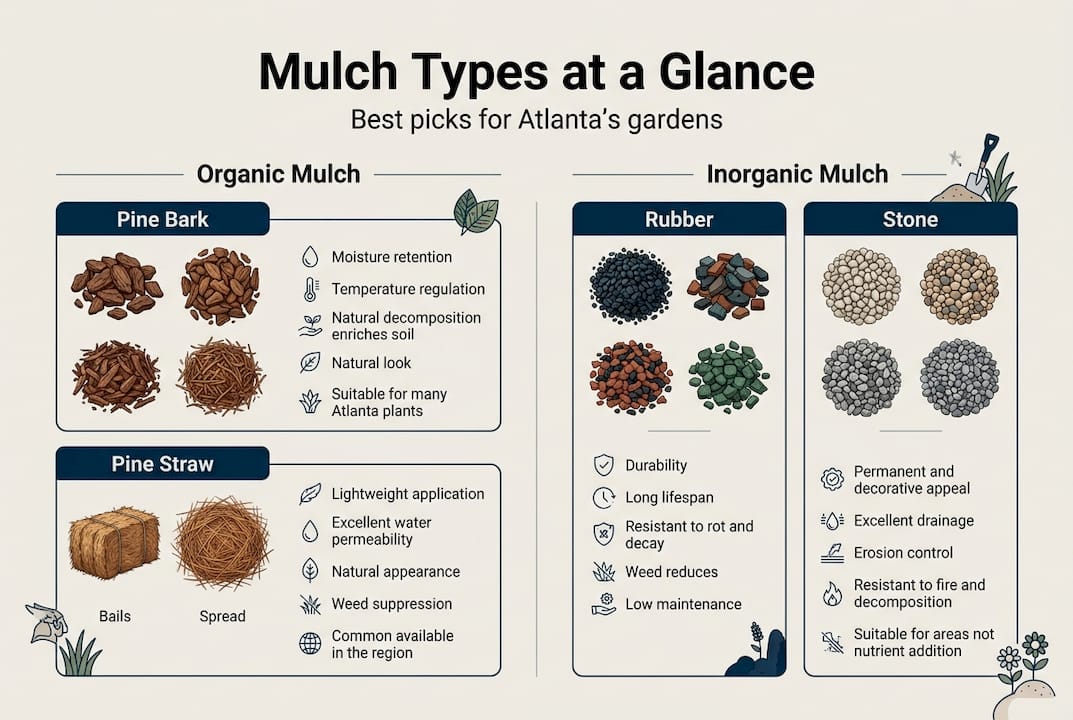
Mulch falls into two broad categories. Organic mulch includes materials like bark, shredded leaves, pine straw, and straw. These break down over time and feed your soil. Inorganic mulch includes stones, rubber chips, and landscape fabric. These last longer but do not improve soil health. For most Metro Atlanta homeowners, organic mulch is the stronger choice because of the region’s dramatic temperature swings between seasons.
Here is a quick summary of the four foundational benefits that make mulching essential, not optional:
Exploring the shredded mulch types available for Georgia gardens can help you match the right material to your specific beds and plants.
Now that you know what mulch is, let’s explore exactly what it does for your garden in the uniquely hot and unpredictable Atlanta climate.
Water savings are one of the most immediate and measurable benefits. Bare soil loses moisture fast under Atlanta’s summer sun. Mulch reduces evaporation by up to 70%, which means you water less often and your plants stay hydrated longer between rain events. The moisture reduction from mulching can cut your watering needs significantly, which also lowers your water bill.
Weed suppression is equally impressive. A 2 to 3 inch layer of mulch blocks sunlight to weed seeds, preventing the vast majority from ever sprouting. Fewer weeds mean less time on your knees and more time enjoying your yard.
Soil improvement happens gradually but powerfully. As organic mulch breaks down, it adds nutrients and organic matter to your soil, improving its fertility and structure. This is especially valuable in Metro Atlanta, where heavy clay soil can be dense and difficult for roots to penetrate.
Temperature moderation is critical in Georgia. Bare Atlanta soil can reach extreme temperatures in July and August, stressing or killing shallow roots. Mulch insulates the soil, keeping root zones at a more stable and plant-friendly temperature. The natural mulch benefits for root protection are especially noticeable during heat waves.
| Benefit | Effect | Recommended depth |
|---|---|---|
| Moisture retention | Reduces evaporation up to 70% | 2 to 3 inches |
| Weed suppression | Blocks most weed seeds from sprouting | 2 to 3 inches |
| Soil improvement | Adds nutrients as mulch decomposes | 2 to 4 inches |
| Temperature control | Stabilizes root zone temperature | 2 to 4 inches |
For decorative beds, red mulch advantages include both visual appeal and the same core protective benefits. Choosing the right product for your landscape is covered in detail in our guide on mulch for lush landscapes.
Understanding why mulch is beneficial isn’t enough. The type of mulch you choose makes all the difference, especially given Metro Atlanta’s climate and soil conditions.
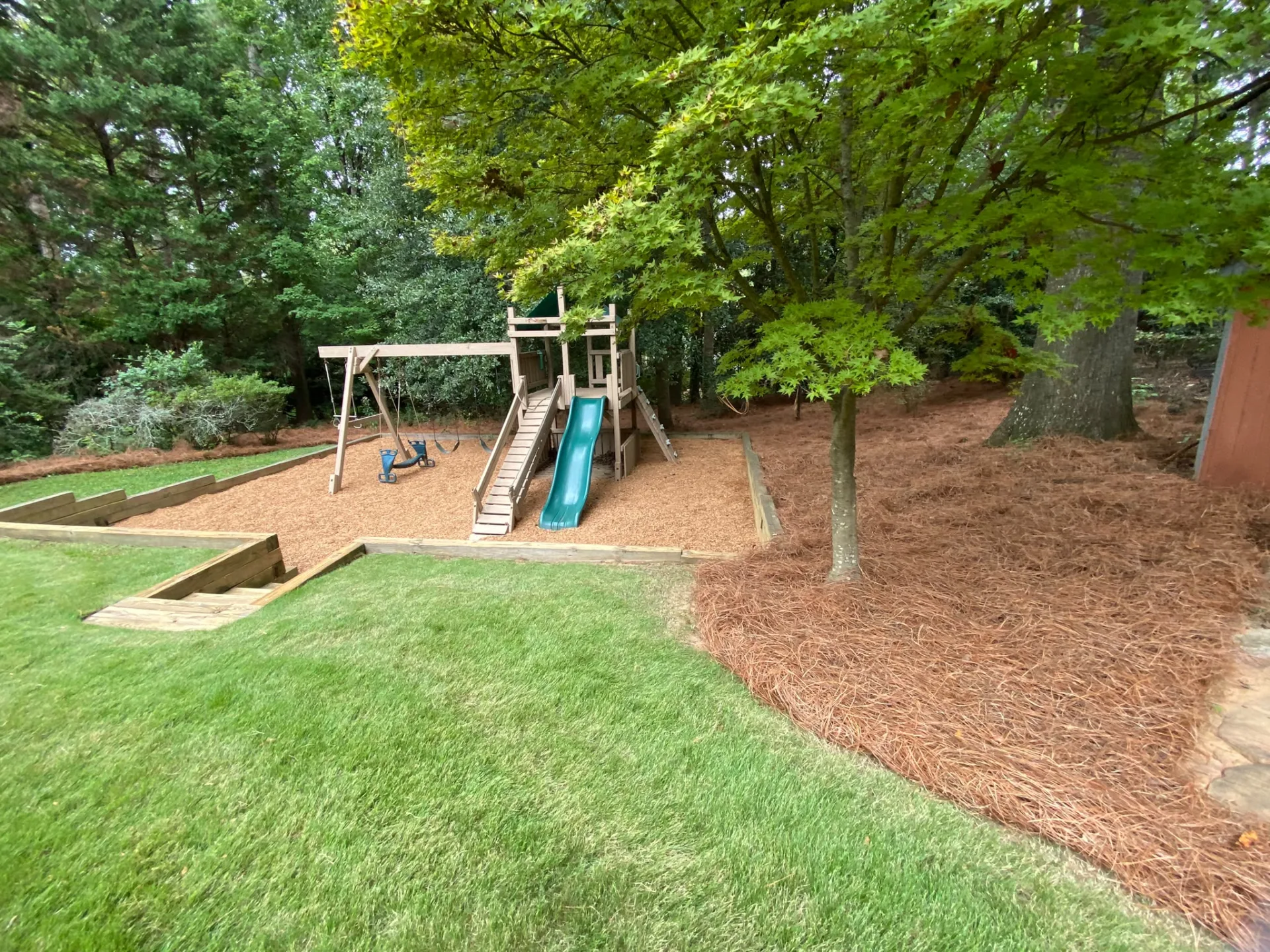
Pine bark is one of the most popular choices in Atlanta. It is durable, slow to decompose, and stays in place during heavy rain. Pine straw is lightweight, affordable, and excellent for sloped beds where other mulches might wash away. Hardwood mulch breaks down faster and feeds soil more quickly, making it a strong choice for vegetable and perennial beds. Shredded leaves are a free and effective option if you have mature trees on your property.
For edible gardens, timing and material matter. Fresh wood chips can temporarily tie up nitrogen in the soil as they decompose, which can slow plant growth. Nitrogen tie-up in wood mulches is a real concern for vegetable beds, so aged wood chips or straw are better choices for tomatoes, peppers, and other crops. In fact, UGA Extension recommends mulching vegetables like tomatoes and peppers specifically for moisture retention, weed control, and fruit rot prevention in Georgia.
| Feature | Organic mulch | Inorganic mulch |
|---|---|---|
| Soil improvement | Yes, adds nutrients over time | No |
| Longevity | 1 to 3 years before refresh | 5 or more years |
| Cost | Moderate | Higher upfront |
| Best use | Garden beds, vegetable gardens | Pathways, low-maintenance areas |
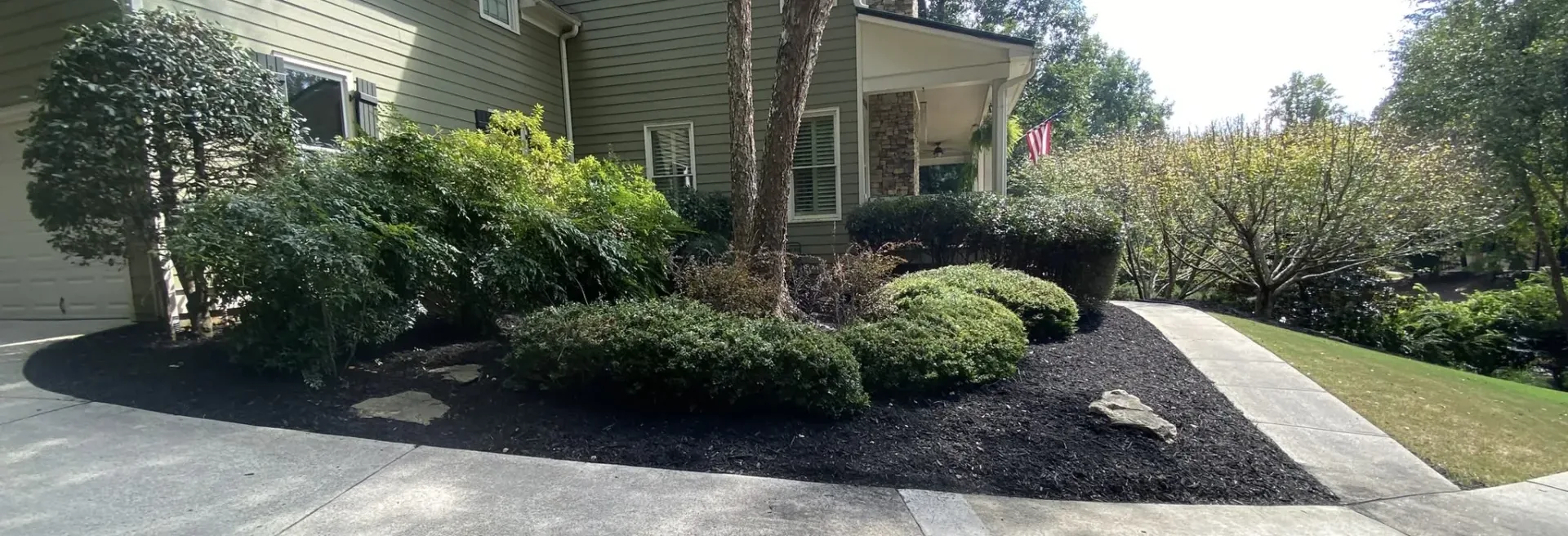
Our mulch type guide walks through each option in detail. If you prefer a rich, dark look for your beds, brown mulch is a reliable and attractive choice for Atlanta landscapes.
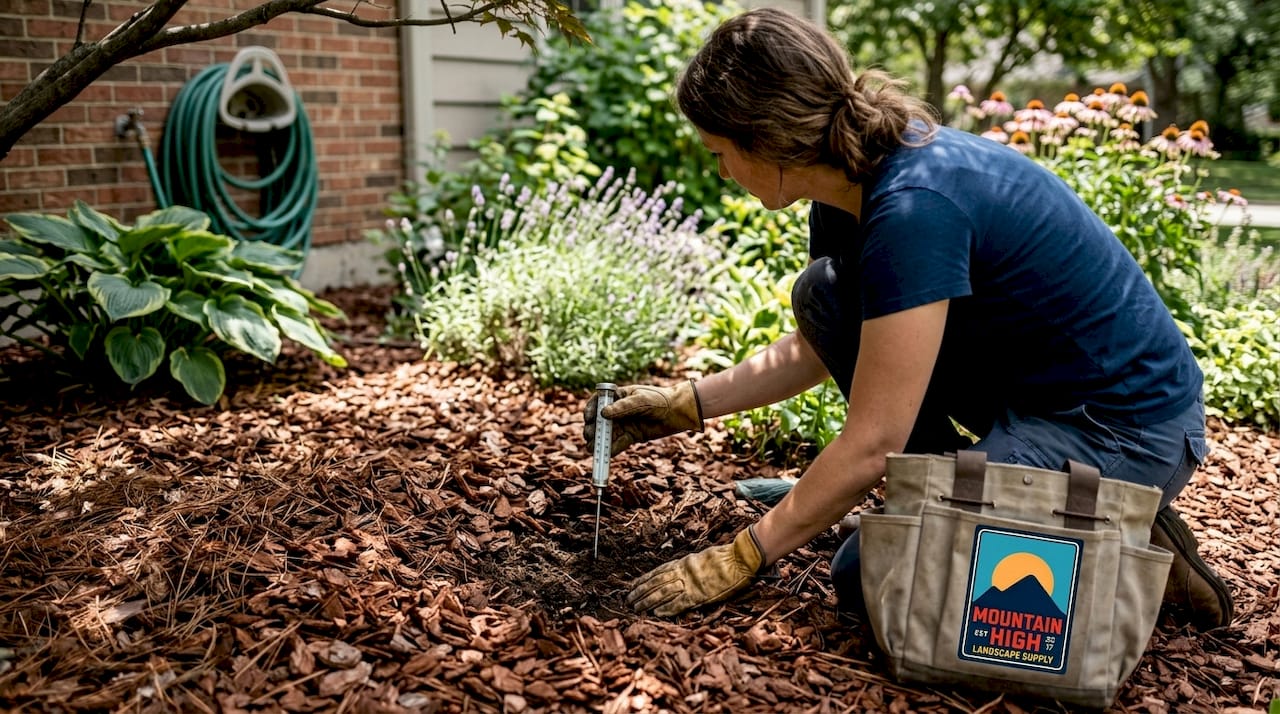
Pro Tip: Apply mulch over moist, weed-free soil. Mulching over dry soil or existing weeds reduces effectiveness significantly. Spring and fall are the ideal windows in Metro Atlanta.
Picking the right mulch is just half the story. You will get the best results if you apply it with attention to depth and placement.
Follow these steps for a clean, effective mulch application:
Depth matters more than most homeowners realize. Too little mulch and weeds push through easily. Too much and you create new problems.
Warning: Avoid piling mulch against plant stems or trunks. This traps moisture against the bark and creates conditions for rot and disease. Mulch piled against stems is one of the most common and damaging mistakes in home gardens.
Staying under 6 inches is equally important. Mulch deeper than 6 inches risks root suffocation, water blockage, and pest harborage. Thin layers under 2 inches are too ineffective to suppress weeds or retain meaningful moisture.
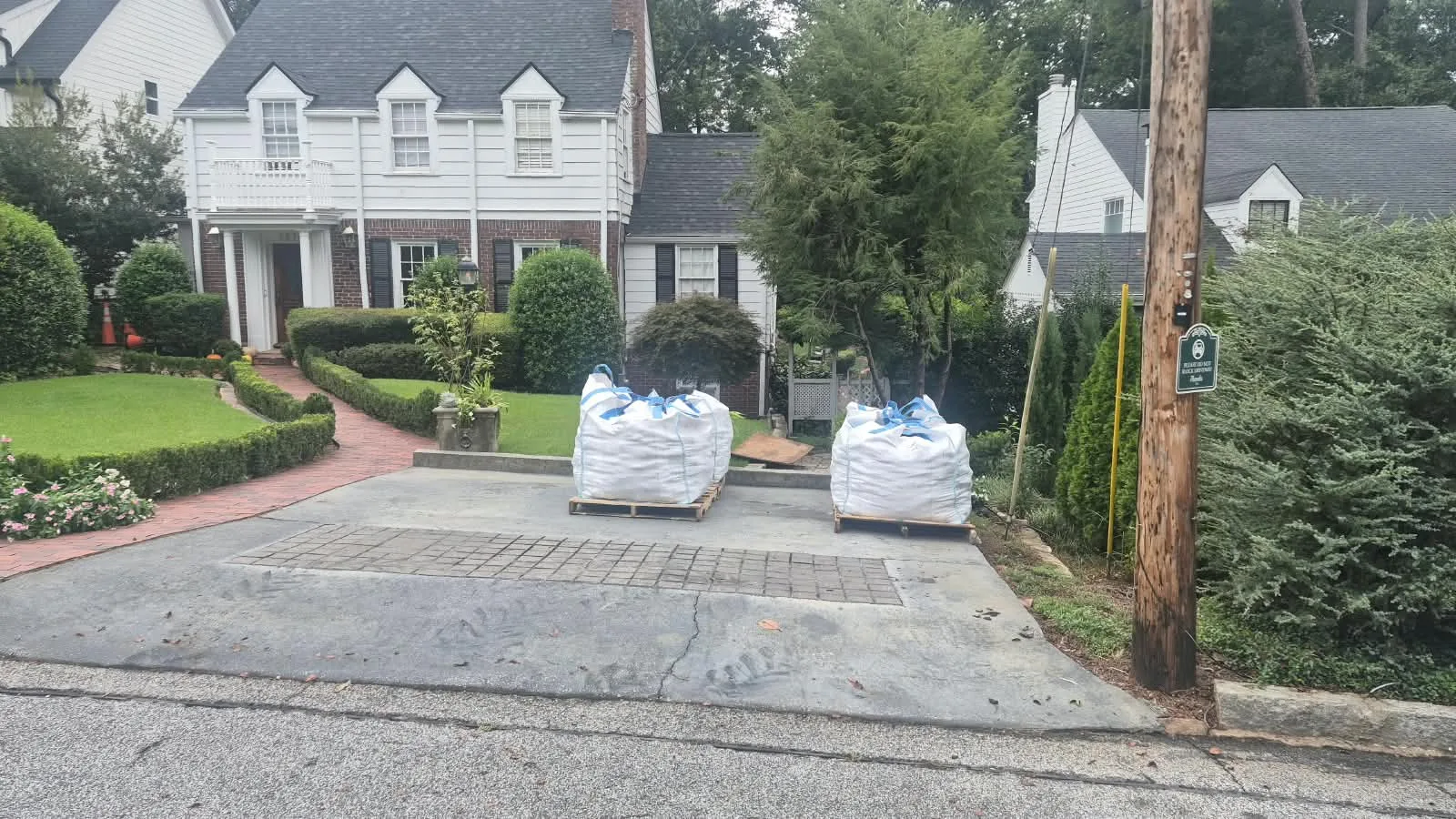
For guidance on quantities and coverage, our resource on correct mulch depth explains how to calculate how much you need. If you are ordering in bulk, the mulch delivery workflow page covers logistics for Metro Atlanta homeowners.
Pro Tip: Amend your soil with compost before mulching. Adding organic matter to the soil first, then topping with mulch, gives your plants a double benefit and extends the time between soil amendments.
Let’s wrap up with rapid-fire answers to some of the most common questions Atlanta gardeners ask about mulching their beds.
What mulch handles Atlanta heat best? Pine straw and pine bark are the top performers. They stay in place during summer storms, resist floating away in heavy rain, and hold up through the long Georgia summer without breaking down too quickly.
When should you apply fresh mulch? The best windows are early spring, before summer heat arrives, and late fall, after the growing season winds down. Apply mulch over moist, weeded soil in spring or fall for the strongest results in Metro Atlanta gardens.
How do you prep Georgia clay soil before mulching? Loosen the top few inches with a garden fork before spreading mulch. This improves drainage and gives roots room to grow. Mulch alone will not fix compacted clay, but it helps over time as organic material works its way into the soil.
Here are quick fixes for the most common mulching problems Atlanta homeowners run into:
For hands-on help with application, our team offers professional mulch installation throughout the Metro Atlanta area.
Ready to put these mulching strategies to work in your yard? We make it easy to get the right material for your specific beds and budget. At Mountain High Mulch, we serve homeowners across Atlanta, Marietta, Smyrna, and surrounding communities with premium landscape supplies and expert guidance.

Browse our natural mulch options for a clean, classic look, or explore red mulch if you want bold color that lasts through the season. Not sure which product fits your project? Our landscape supply guide helps you compare materials side by side. You can pick up from our Marietta or Smyrna locations, or schedule delivery straight to your driveway. Our team is ready to help you get the right amount, the right type, and the right results for your Atlanta garden.
Spread mulch 2 to 4 inches deep for most beds. Mulch deeper than 6 inches risks root suffocation and water blockage, so stay within that range for healthy plants.
Pine bark, pine straw, and aged wood chips perform best in Atlanta’s heat and heavy rains. UGA Extension recommends mulching vegetables like tomatoes and peppers specifically for Georgia growing conditions.
It can, if applied incorrectly. Keep mulch 2 to 6 inches away from plant stems and trunks. Mulch piled against stems traps moisture and creates conditions for rot and disease.
Yes. Organic mulch like bark or straw slowly adds nutrients and organic matter as it decomposes, gradually improving the structure and fertility of dense Georgia clay over multiple seasons.