Local stone is a durable, sustainable, and regionally adapted building material that outperforms most synthetic alternatives in longevity, environmental impact, and visual harmony. Homeowners and landscape designers who choose locally sourced stone gain access to materials tested by the same climate, soil, and weather patterns their projects will face. Sourcing within a 100-mile radius is the recognized benchmark for capturing the full supply chain and quality benefits of local stone. Mountainhighmulch serves Atlanta, Marietta, Smyrna, and surrounding Georgia communities with premium locally sourced stone and landscape materials built for exactly these advantages.
Local stone delivers a service life that most modern building materials cannot match. Indiana limestone exceeds 150 years of documented service life, with reserve supplies projected to last over 500 years at current extraction rates. That kind of longevity means your investment compounds over time rather than depreciating.
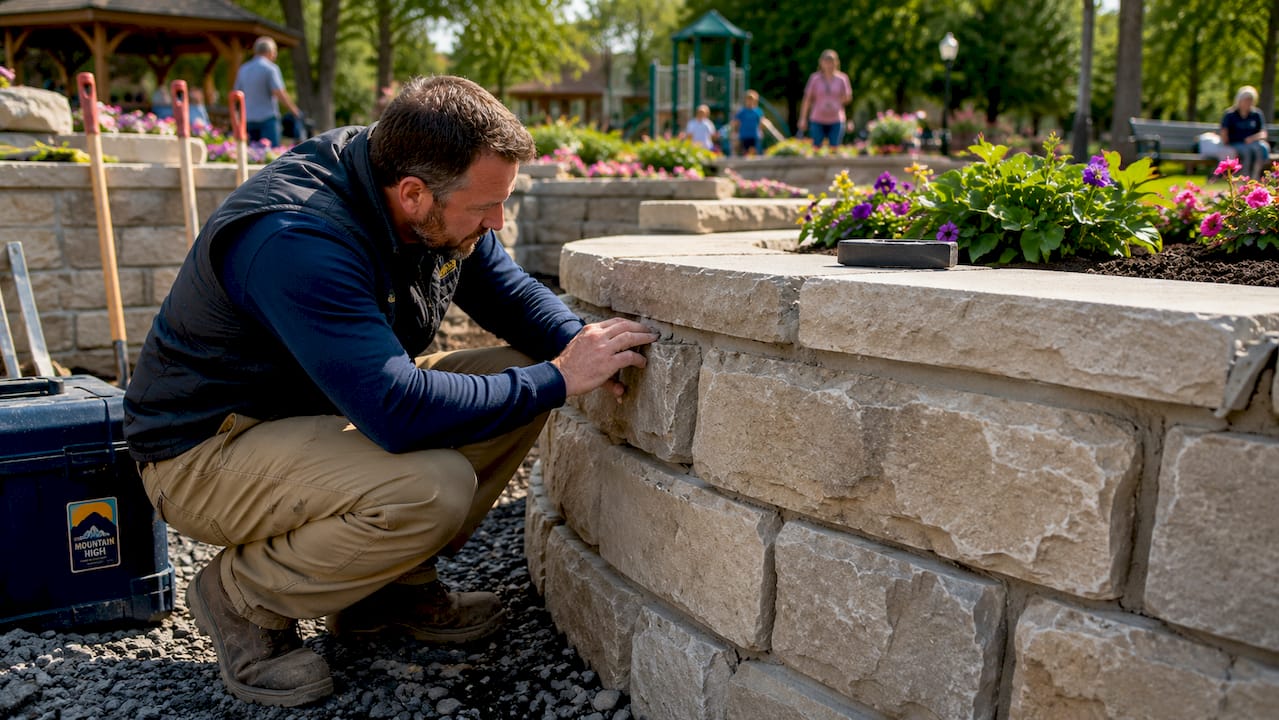
Stone resists weathering, rot, bending, and chemical degradation in ways that concrete composites and synthetic pavers simply do not. It does not warp under heat, crack from moisture absorption the way treated wood does, or fade from UV exposure. These properties make it a reliable choice for patios, retaining walls, walkways, and garden borders.
Stone can also be reclaimed and reused at the end of a project’s life. That reuse potential reduces future resource demand and keeps material out of landfills. Stone’s higher upfront cost is offset by low maintenance needs and reuse value, giving it a lower total cost of ownership than most synthetic alternatives.
Key durability advantages include:
Pro Tip: When comparing bids for a patio or retaining wall project, ask suppliers for the expected maintenance schedule over 20 years. Stone’s near-zero maintenance cost often makes it cheaper than composite alternatives within a decade.
Local stone reduces environmental impact at every stage of its lifecycle. Shortened supply chains cut fuel consumption and carbon emissions significantly compared to importing stone from overseas quarries. When you source stone from within your region, you eliminate the ocean freight, long-haul trucking, and warehousing that imported stone requires.
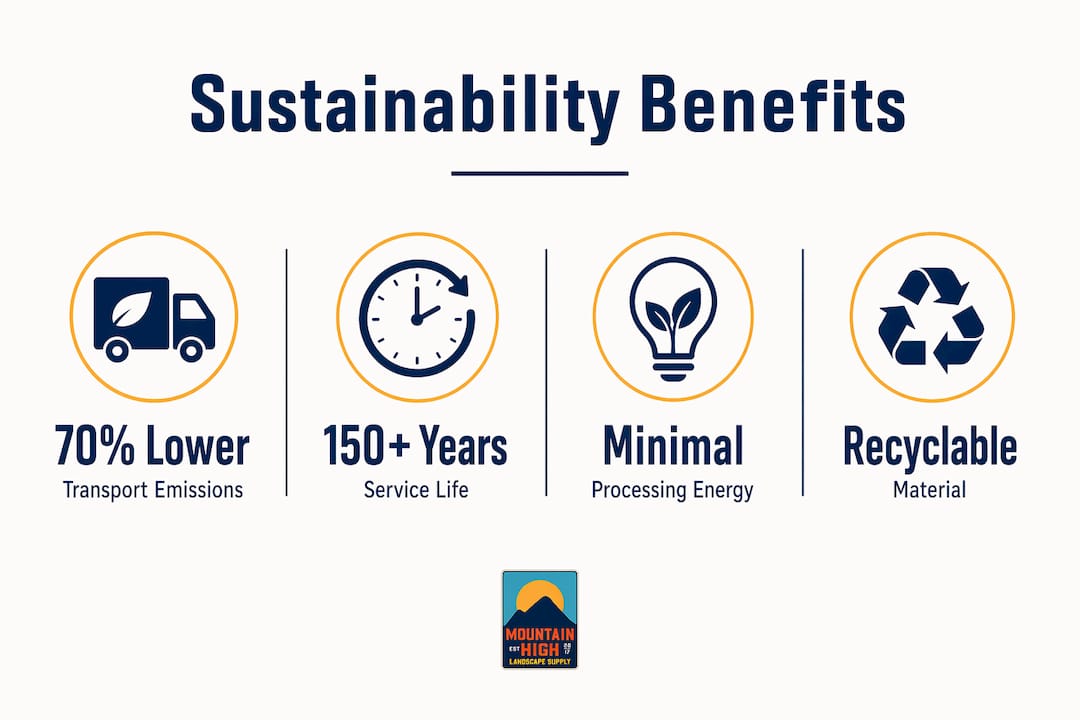
Minimal processing is another major advantage. Natural stone requires no energy-intensive manufacturing, no chemical binders, and no synthetic coatings. Compare that to concrete block or porcelain tile, both of which demand high-temperature kilns and chemical additives. The table below shows how transport distance affects the environmental footprint of stone sourcing.
| Sourcing Method | Transport Distance | Carbon Impact |
|---|---|---|
| Local quarry (within 100 miles) | Short haul | Low |
| Regional supplier (100–500 miles) | Medium haul | Moderate |
| Imported stone (overseas) | Ocean freight + trucking | High |
Responsible quarrying practices also protect natural reserves. Well-managed local quarries operate with land restoration plans and extraction limits that preserve surrounding ecosystems. That stands in contrast to large-scale international operations where environmental oversight varies widely.
“Choosing locally quarried stone is one of the most direct ways a construction or landscaping project can reduce its environmental footprint. The material is already adapted to the site, the supply chain is short, and the stone itself requires no energy-intensive transformation before use.”
Site resonance is the term landscape architects use to describe how well a material integrates with its surrounding environment over time. Local stone exhibits natural site resonance through patina and aging processes that align with regional climates, giving finished projects a cohesive, rooted appearance that imported stone rarely achieves.
Stone quarried from your region has already spent thousands of years exposed to the same freeze-thaw cycles, rainfall patterns, and soil chemistry your project will face. Regional limestone’s porosity and freeze-thaw resistance are structurally adapted to local conditions, which prevents premature cracking and surface degradation. Imported stone from a warmer or drier climate can fail within years when placed in a region with harsh winters.
The visual benefits are equally significant. Local stone ages in a way that looks intentional rather than weathered. It picks up the same mosses, mineral tones, and surface textures as the surrounding natural environment. This creates visual continuity in landscape design that no manufactured product can replicate.
Practical site resonance benefits include:
For Atlanta-area projects, Georgia granite and fieldstone are classic examples of locally adapted materials that perform and look better over time than imported alternatives. You can explore stone options for Atlanta yards to find materials matched to the region’s specific conditions.
Local suppliers provide advantages that go well beyond material quality. Shorter supply chains improve project timelines and reduce budget risk when national transportation networks face disruptions, fuel shortages, or logistics delays. That resilience matters when you are managing a construction schedule with contractors, permits, and deadlines.
Working with a local quarry also gives you access to customized orders. Local quarries supply custom grades and shapes efficiently, which prevents over-ordering, reduces site waste, and eliminates the material disposal costs that come with poorly matched stock. A local supplier can adjust an order mid-project in ways that a distant distributor cannot.
Regional expertise is a less obvious but equally valuable benefit. Local suppliers provide regional knowledge on stone placement, weather effects, and maintenance that general-purpose suppliers simply do not carry. That knowledge prevents costly installation mistakes and guides better long-term maintenance decisions.
Here is how to get the most from a local stone supplier:
Pro Tip: When planning a construction project timeline, schedule your stone order before finalizing other material deliveries. Local suppliers can often accommodate last-minute adjustments that long-distance distributors cannot.
Local stone is the most durable, sustainable, and regionally compatible material available for landscaping and construction projects, with documented service lives exceeding 150 years and supply chain advantages that protect both budgets and project schedules.
| Point | Details |
|---|---|
| Exceptional durability | Stone service lives exceed 150 years, with low maintenance and strong reuse potential. |
| Environmental advantage | Local sourcing within 100 miles cuts transport emissions and avoids energy-intensive processing. |
| Site resonance | Regionally quarried stone is structurally and visually adapted to local climate and soil conditions. |
| Supply chain resilience | Local suppliers respond faster to custom orders and protect projects from logistics disruptions. |
| Lower total cost | Higher upfront cost is offset by minimal maintenance and long-term reuse value. |
After years of working with homeowners and landscape designers across the Atlanta metro area, I have seen one pattern repeat itself: projects built with locally sourced stone age better, require less intervention, and generate more satisfaction than those built with imported or synthetic alternatives.
The site resonance argument is real. When you place Georgia granite or regional fieldstone in a Georgia garden, it belongs there in a way that imported travertine or manufactured concrete block never quite does. The stone picks up the same light, the same mineral tones, and the same weathering as everything around it.
What surprises most homeowners is how quickly the economics shift. The upfront cost looks higher on paper, but once you factor in zero sealing cycles, no replacement panels, and the ability to reclaim the stone if the design changes, local stone is often the more affordable choice over a 15-year horizon. I have seen Atlanta landscapes built with natural stone that look sharper at year ten than they did at installation. That does not happen with composite pavers.
My honest recommendation: prioritize local sourcing even when a cheaper imported option is available. The performance gap becomes obvious within a few seasons.
— Eric
Mountainhighmulch stocks premium locally sourced stone, gravel, and landscape materials at our Marietta and Smyrna supply yards, serving homeowners and landscape designers across the Atlanta metro area. Our team knows Georgia’s soil, climate, and drainage conditions, and we match materials to your specific project rather than selling you generic stock.

Whether you need stone for a retaining wall, garden border, or full hardscape installation, we carry the grades and sizes that work for regional conditions. We also offer landscape supply delivery throughout the metro area, so your materials arrive on schedule without the logistics risk of long-distance sourcing. Pair your stone project with our organic screened topsoil for a complete foundation that supports both hardscape and planting. Visit our yards or contact our team for a personalized recommendation.
Indiana limestone documents a service life exceeding 150 years, and most natural stone types perform comparably when sourced from a climate-matched region. Proper installation and minimal maintenance extend that lifespan further.
Local stone sourced within a 100-mile radius eliminates ocean freight and long-haul trucking, cutting carbon emissions significantly. It also requires no energy-intensive manufacturing or chemical processing before use.
Site resonance describes how well a material integrates structurally and visually with its surrounding environment over time. Locally quarried stone develops patina and aging that aligns with regional climate and landscape, creating a cohesive finished appearance.
Local stone often carries a higher upfront cost than mass-produced imported alternatives. However, low maintenance needs and reuse potential give it a lower total cost of ownership over a 15-to-20-year horizon.
Local suppliers offer regional expertise, custom order flexibility, and supply chain resilience that national distributors cannot match. They also reduce the risk of material failures caused by using stone adapted to a different climate.