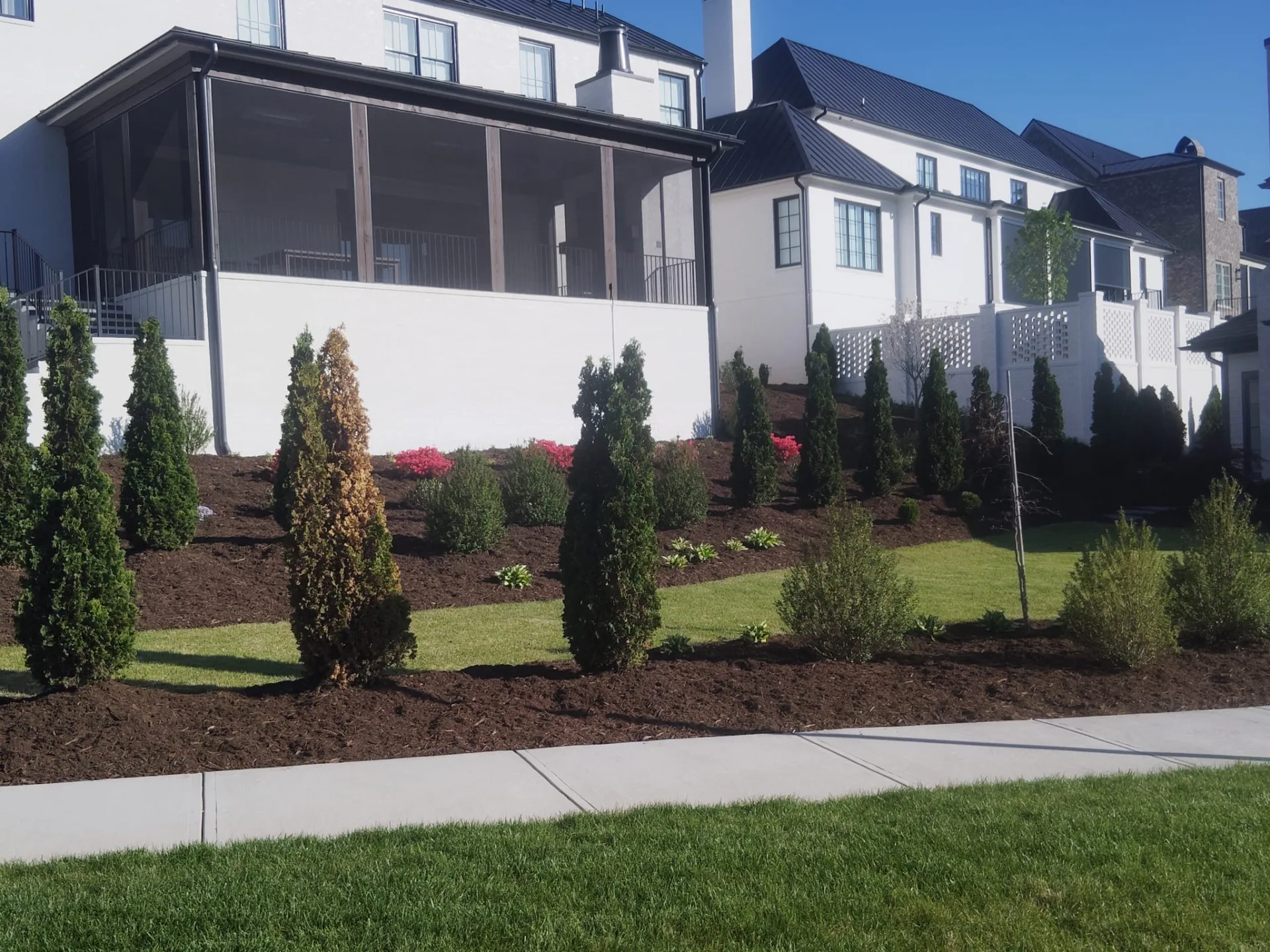
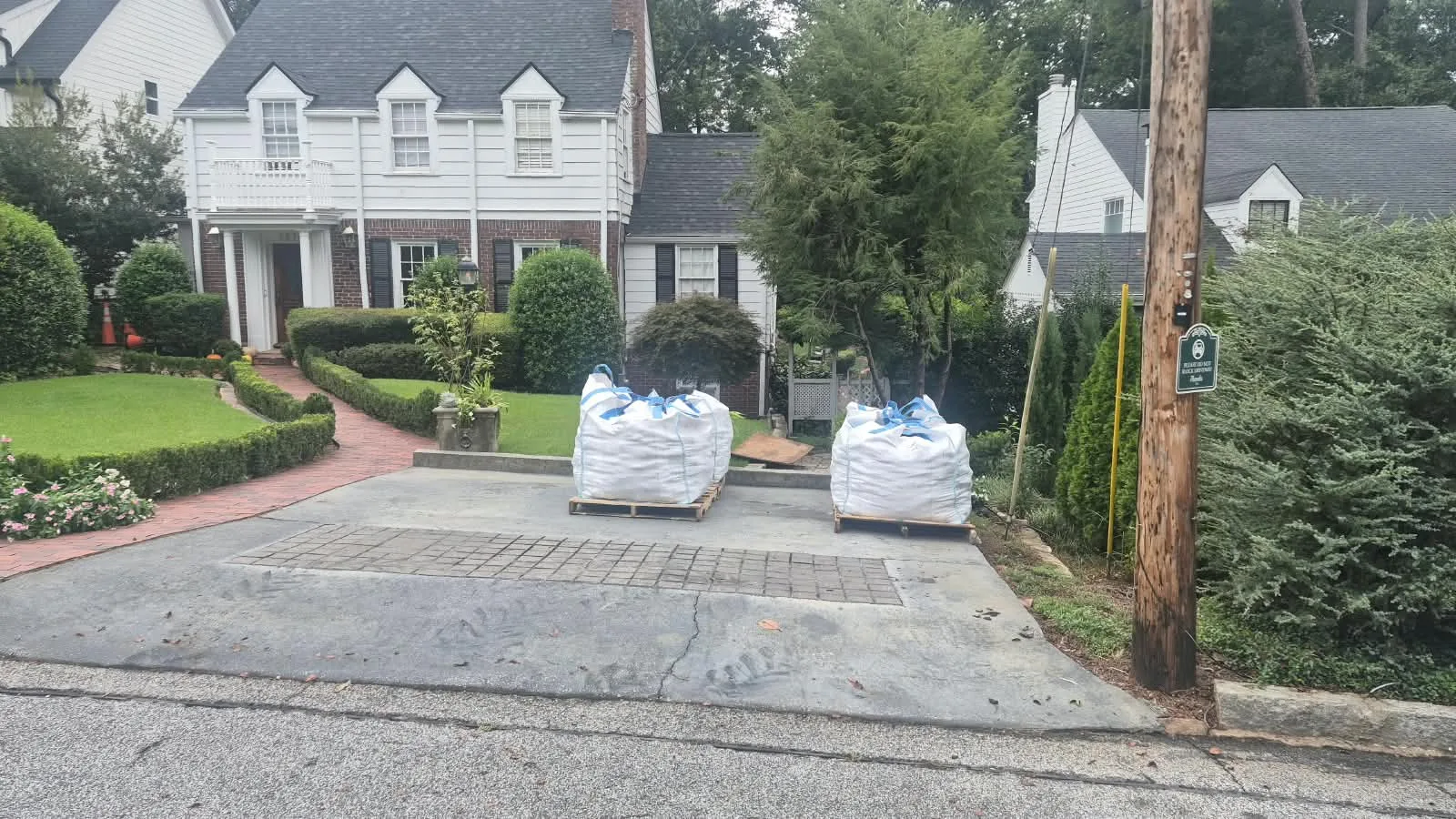
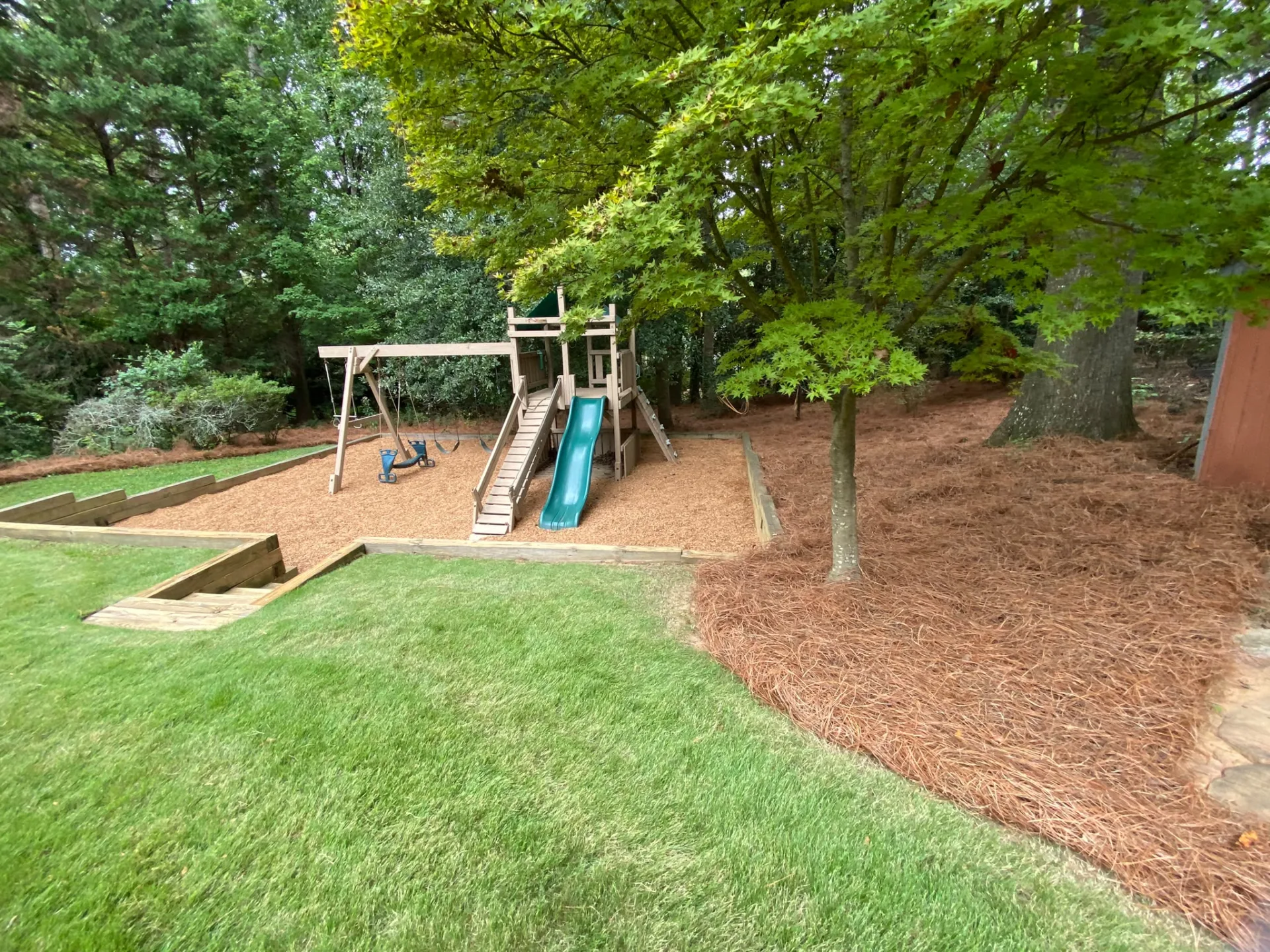
A yard renovation checklist is a structured planning tool that organizes every step of transforming your outdoor space, from soil testing to final planting. Without one, homeowners routinely skip critical steps like drainage planning or grading, which leads to expensive repairs later. This guide walks you through the full landscaping project checklist process, covering functional zoning, site evaluation, budgeting, phased construction, and contractor coordination. Follow these steps in order, and your outdoor improvement plan stays on track from day one.
Functional zones dictate your design layout and every material choice that follows. Before you buy a single plant or paver, map out where dining, play, lounging, and planting areas will live. Each zone has different surface, drainage, and lighting needs, so getting this right early prevents wasted spending.
Circulation paths connect your zones. Design them along the natural routes people already walk, not where you think they should walk. A path that fights natural movement gets ignored, and your lawn pays the price.
Pro Tip: Never purchase plants, furniture, or materials before your zoning plan is final. Buying before zoning is the most common mistake that disrupts natural flow and circulation patterns.
Balancing hardscape and softscape within each zone keeps the yard functional and visually cohesive. A dining area that is 80% hardscape and 20% planting feels intentional. The reverse feels unfinished.

Site assessment is the step most homeowners skip, and it is the one that causes the most expensive problems. Soil type, pH, drainage patterns, and slope all affect which materials and plants will perform well long term.
Start with a basic soil test. Your local cooperative extension office can test pH and nutrient levels for a low cost. Sandy soils drain too fast and need organic matter. Clay soils compact and hold water, which creates drainage problems near foundations.
Proper grading away from the home foundation is the single most important technical step in any yard renovation. Incorrect grading causes water intrusion and structural damage that costs far more to fix than the renovation itself. Address slope before any hardscape or planting goes in.
Building codes and permits apply to patios, retaining walls, fences, and electrical work in most jurisdictions. Confirm local requirements before construction begins, not after. HOA rules can restrict materials, colors, and fence heights, so read your covenants carefully.
Site access for heavy materials must be planned early. A gate too narrow for a skid steer means manual labor for every ton of gravel or topsoil, and that cost adds up fast.
A yard renovation budget has five core components: design fees, materials, labor, site preparation, and drainage. Most homeowners budget for materials and labor but forget site prep and drainage, which are often the largest line items on complex projects.
Include a 10–20% contingency fund for unforeseen site conditions. Poor soil, buried debris, or unexpected rock can add significant cost. That buffer is not optional on any project with grading or excavation involved.
Compare contractor quotes by scope, not just by price. A low bid that excludes soil amendments, haul-away, or drainage work will cost more in the end. Ask every contractor to itemize exactly what is and is not included.
Pro Tip: Phase your construction across two seasons if the full budget is not available. Complete infrastructure and drainage in year one, then hardscape and planting in year two. This approach spreads cost without compromising the technical sequence.
Phasing is not just a financial strategy. It is a technical necessity that prevents rework and double handling of construction materials. Installing a patio before grading is complete means tearing it out when drainage fails.
The correct sequence follows a clear logic:
| Phase | Work included | Why it comes first |
|---|---|---|
| Phase 1: Infrastructure | Grading, drainage, site access, utilities | Errors here damage everything built on top |
| Phase 2: Hardscape and structure | Patios, retaining walls, major planting | Requires stable, graded base to perform correctly |
| Phase 3: Finishes | Lighting, furniture, mulch, sod, small plants | Installed last to avoid damage from heavy equipment |
Lighting, furniture, and decorative planting belong in Phase 3. Installing them earlier exposes them to damage from equipment and construction traffic. A phased yard renovation also gives you time to observe how water moves through the site before committing to permanent features.
Drainage and retaining structures require professional design to ensure long-term stability. Do not treat these as DIY tasks. A failed retaining wall or undersized French drain creates foundation risk and expensive repairs.
Clear contractor communication prevents the majority of mid-project surprises. The contract scope defines what gets built. Vague language in a contract is always interpreted in the contractor’s favor, not yours.
Before signing any agreement, get answers to these questions in writing:
A structured approach to starting your landscaping project helps you ask the right questions before work begins. Request a written schedule with milestones, not just a start and end date. Milestones give you clear checkpoints to verify progress and catch problems early.
For a broader view of how renovation sequencing applies across the full property, the residential renovation process follows the same infrastructure-first logic that yard projects demand.
A successful yard renovation requires functional zoning, thorough site evaluation, phased construction, and clear contractor communication before any materials are purchased or ground is broken.
| Point | Details |
|---|---|
| Zone before you buy | Define dining, play, lounging, and planting zones before purchasing any materials. |
| Assess site conditions early | Test soil, evaluate drainage, and check permits before finalizing your plan. |
| Budget with a contingency | Include a 10–20% buffer for unforeseen site conditions like poor soil or buried debris. |
| Phase construction in order | Complete infrastructure and drainage before hardscape, and hardscape before finishes. |
| Get scope in writing | Compare contractor quotes by itemized scope, not total price, to avoid hidden costs. |
Every yard renovation I have seen go sideways shared one common failure: the homeowner skipped the zoning step and went straight to buying materials. They had beautiful plants sitting in pots for weeks while the contractor figured out where the beds were going. That is money and plant health lost before a single shovel hit the ground.
The drainage lesson is harder to learn because the consequences are delayed. I watched a homeowner install a stunning patio, only to spend the following spring watching water pool against their foundation. The grading had never been addressed. Fixing it meant removing a portion of the patio they had just paid for. That repair cost more than the original grading work would have.
Phasing changed everything for the homeowners who got it right. They completed grading and drainage in the fall, then came back in spring for hardscape. By then, they had watched one full rain season and knew exactly where the water moved. Their patio placement reflected that knowledge, and it has performed perfectly since.
The contractor communication habit that saved the most headaches was simple: a weekly written update, even just a brief email. It forced the contractor to think ahead and gave the homeowner a paper trail. No surprises, no disputes about what was agreed.
— Eric
Planning a yard renovation means making smart material choices at every phase. Mountainhighmulch supplies premium mulch, topsoil, sand, gravel, stone, and sod to homeowners and contractors across Atlanta, Marietta, and Smyrna.

Whether your project calls for mulch for moisture retention in your planting beds or organic screened topsoil to rebuild your soil profile, our team is ready to help you choose the right product for your site conditions. Pick up from our Marietta or Smyrna locations, or schedule delivery throughout the metro area. Our expert staff can answer material questions before you commit to a single cubic yard.
A yard renovation checklist is a phased planning tool that guides homeowners through zoning, site evaluation, budgeting, construction sequencing, and contractor coordination. It prevents costly mistakes by keeping every step in the correct order.
Test your soil before finalizing your planting or grading plan. Soil pH and texture determine which plants will thrive and whether amendments like topsoil or sand are needed before installation.
Include a 10–20% contingency fund to cover unforeseen site conditions such as poor soil, buried debris, or drainage complications that are not visible until excavation begins.
Permits are required in most jurisdictions for patios, retaining walls, fences, and electrical work. Confirm local building code requirements and HOA rules before construction starts to avoid fines or forced removal.
Complete infrastructure work first, including grading and drainage, then install hardscape and major planting, and finish with lighting, furniture, mulch, and sod. Skipping this sequence leads to expensive rework.